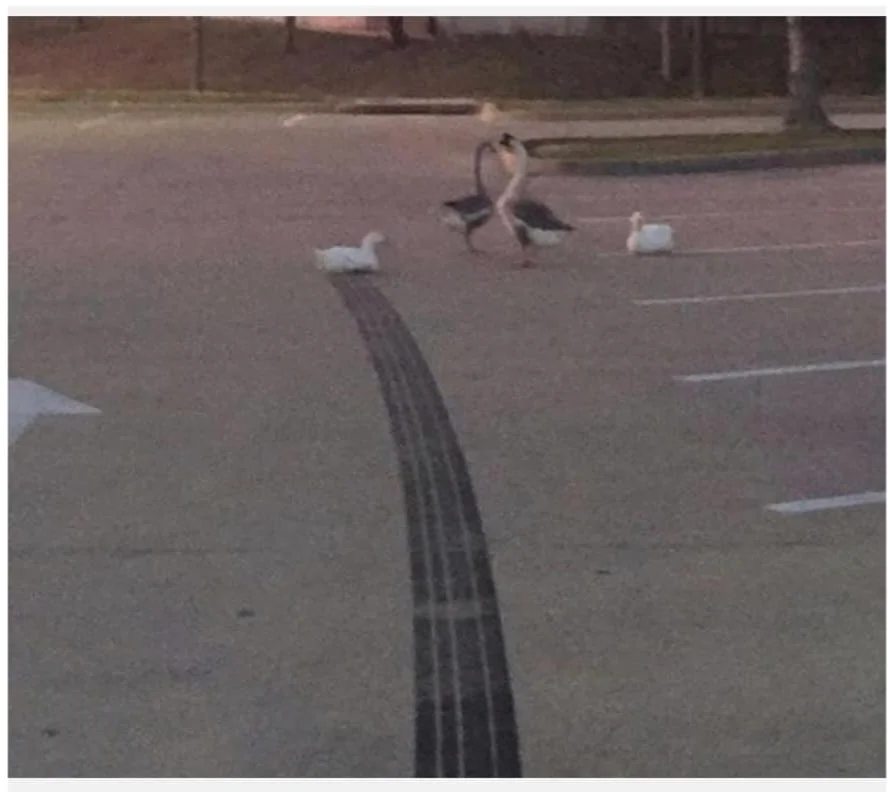
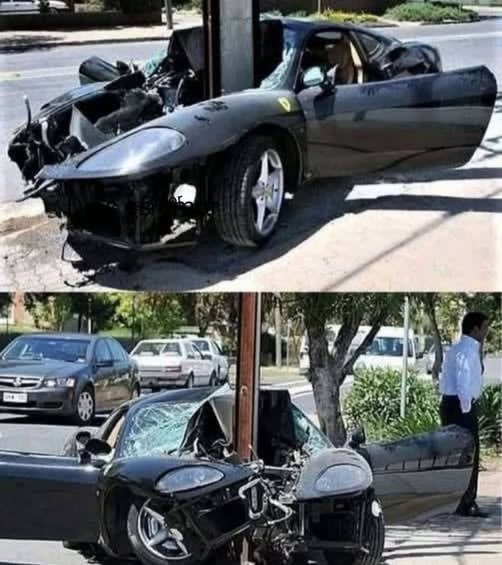
15 Brain-Confusing Photos That Need to Be Analyzed
In the age of social media and digital photography, images are everywhere. We scroll past hundreds of photos every day without giving them much thought. However, some images make us stop, stare, and question what we are actually seeing. These are known as brain-confusing photos—pictures that trick our perception and force our minds to work harder to understand reality. At first glance, they may seem impossible, edited, or surreal, but most of them have perfectly logical explanations.
Below are 15 types of brain-confusing photos that truly need to be analyzed.
1. Perspective Illusions
Perspective plays a huge role in photography. A person standing closer to the camera may appear enormous, while someone farther away looks tiny. Our brains struggle to judge depth in a flat, two-dimensional image, leading to instant confusion.
2. Objects Blending Into the Background
Sometimes subjects blend perfectly into their surroundings due to similar colors or patterns. This can result in photos where animals or people appear to be missing body parts.
3. Perfectly Timed Photos
A photo captured at just the right—or wrong—moment can show an event that never truly happened the way it appears. Timing alone can completely change reality.
4. Tricky Reflections
Mirrors, glass, and water surfaces can create reflections that distort direction and space, making it hard to tell what is real and what is just a reflection.
5. Headless or Legless People
These photos often go viral. Usually, another person or object is positioned in a way that blocks part of the body, creating a bizarre illusion.
6. Shadows That Tell a Different Story
Shadows can sometimes look more recognizable—or more confusing—than the object creating them. Lighting angle is everything.
7. Perfect Symmetry
When something looks too perfectly symmetrical, our brains assume it must be edited. In reality, nature and architecture can sometimes achieve stunning balance.
8. Animals With Impossible Shapes
A dog with two heads or a bird with no wings? These illusions are usually caused by overlapping bodies or unusual camera angles.
9. People Floating in the Air
Photos taken mid-jump, especially with clean backgrounds, can make it look like someone is levitating.
10. Bent or Warped Objects
Objects near water or thick glass can appear bent due to light refraction, confusing our sense of shape.
11. Clothing That Creates Optical Illusions
Certain patterns, colors, or designs on clothing can drastically alter how we perceive body shape and proportions.
12. Two Images in One
Some photos look completely different depending on how long you stare at them. Your brain switches between two interpretations.
13. Misleading Lighting
Strong shadows, overexposure, or unusual lighting can hide important details and reshape objects.
14. Incorrect Sense of Scale
A small object placed close to the camera can appear massive, while large objects in the background look tiny.
15. Real or Photoshopped?
Many brain-confusing photos look edited but are actually 100% real. That’s what makes them so fascinating—and frustrating.
Why Do These Photos Confuse Us?
The human brain is designed to interpret the world based on past experiences and patterns. When an image breaks those patterns, the brain pauses and tries to reorganize the information. This brief confusion is what makes these photos so captivating.
Conclusion
Brain-confusing photos are more than just internet entertainment. They reveal how fragile and adaptable human perception truly is. They remind us that seeing is not always believing and that reality depends heavily on perspective.
In a fast-paced digital world, these images force us to slow down, analyze, and think critically. And perhaps that’s their greatest power—they challenge our minds and remind us that things are not always what they seem.
A wave of shock and sadness has swept across the entertainment community following the news that a beloved actress lost his life early this morning. According to initial reports, the unexpected passing occurred at her residence, leaving family members, friends, and fans in deep grief. Although details surrounding the circumstances remain limited, representatives have confirmed the heartbreaking news and requested privacy during this difficult time.
Throughout her career, the actress became widely admired for her talent, charisma, and remarkable ability to bring complex characters to life on screen. Her performances earned her both critical acclaim and a devoted fan base. Colleagues describe her as warm, dedicated, and endlessly generous—someone who brought light to every set she worked on and inspired many aspiring performers to pursue their dreams.
Tributes have begun pouring in from across the industry as actors, directors, and fans share memories and express their condolences. Many recall her professionalism, kindness, and the unforgettable roles that helped shape modern cinema and television. Social media platforms are filled with heartfelt messages celebrating her legacy and acknowledging the profound impact she had on audiences around the world.
As the public mourns, authorities have stated that further information regarding the cause of her passing will be shared once available. In the meantime, supporters are encouraged to honor her memory by revisiting the many projects she contributed to and celebrating the extraordinary life she lived. Her absence will be deeply felt, but her legacy will continue to shine through the stories she left behind.
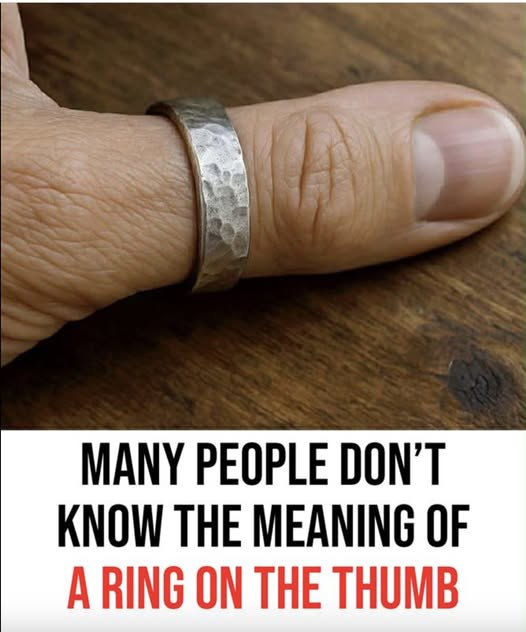
Rings have never been just accessories. Long before they became fashion statements or sentimental gifts, they carried meaning—sometimes obvious, sometimes hidden. Across cultures and centuries, rings have symbolized commitment, authority, loyalty, wealth, spirituality, and identity. The finger chosen was never random. It mattered. It still does.
Most people recognize the symbolism of a ring on the ring finger, tied to love and marriage, or the index finger, often associated with leadership and ambition. But the thumb ring exists in a quieter, more intriguing space. It doesn’t announce itself with tradition or expectation. It doesn’t follow the rules most people know. And that’s exactly what makes it powerful.
Historically, the thumb has always been different. Anatomically, it’s the strongest finger. It moves independently, opposes the others, and makes grip and control possible. Without the thumb, the hand loses much of its function. Cultures noticed this long before modern anatomy explained it, and they attached meaning accordingly.
In ancient societies, thumb rings often signified strength and status. In some parts of Asia and the Middle East, thumb rings were worn by archers. They weren’t decorative—they were tools, protecting the thumb while drawing a bowstring. Over time, these rings became symbols of skill, discipline, and power. Wearing one implied mastery. Not everyone earned that right.
In other cultures, thumb rings were markers of wealth and social standing. Because the thumb is larger, rings made for it required more material, making them more expensive. A thumb ring quietly said, “I can afford excess.” It wasn’t flashy like a crown or necklace, but it didn’t need to be. The message was understood by those who knew how to read it.
Unlike rings tied to marriage or religious obligation, the thumb ring was often a personal choice. That freedom gave it a different tone. It wasn’t about belonging to someone else or fulfilling a role. It was about self-definition.
In modern times, that theme hasn’t disappeared—it’s evolved.
Today, people wear thumb rings for many reasons. Fashion plays a role, obviously. A thumb ring stands out without being loud. It breaks symmetry. It disrupts expectations. On a subconscious level, that makes it compelling. It signals confidence without trying too hard.
But even when worn purely for style, a thumb ring often reflects something deeper. People who choose it tend to value independence. They’re comfortable stepping outside convention. They don’t need validation through traditional symbols. The thumb ring doesn’t beg to be noticed, but it doesn’t hide either.
Psychologically, the thumb is associated with willpower and self-direction. In palmistry and symbolic systems, it represents determination, logic, and personal authority. A ring placed there can feel grounding, reinforcing a sense of control and autonomy. It’s no coincidence that many people describe feeling “stronger” or more centered when wearing one.
There’s also an element of boundary-setting. Unlike rings associated with partnership, a thumb ring doesn’t signal availability or obligation. It subtly communicates self-possession. For some, it’s a reminder that their choices are their own. For others, it’s an outward reflection of an inner mindset: I move on my terms.
Gender norms around rings have shifted, but the thumb ring has always resisted categorization. Historically worn by warriors, nobles, artists, and rebels alike, it never belonged exclusively to one gender. That neutrality makes it especially appealing today, when many people reject rigid labels altogether.
For women, a thumb ring is often interpreted as a symbol of strength and self-sufficiency. It pushes back against the idea that jewelry must exist to signify romantic attachment. It can represent independence, resilience, and confidence—qualities that don’t require explanation.
For men, it can signal individuality and nonconformity. It’s less traditional than a signet ring, less expected than a wedding band. It suggests someone who’s comfortable stepping slightly off the beaten path without making a spectacle of it.
In some communities, the thumb ring has also been linked to creativity and nontraditional thinking. Artists, writers, and musicians have long gravitated toward symbols that quietly reflect their internal world. A thumb ring fits that mold. It doesn’t shout rebellion. It simply exists on its own terms.
Material matters too. A thick metal thumb ring carries a different energy than a slim, minimalist band. Heavier designs often emphasize strength and authority, while simpler ones lean into clarity and self-awareness. Even the choice of metal—silver, gold, steel—can subtly reflect personality traits like adaptability, stability, or endurance.
What’s striking about the thumb ring is how often people choose it instinctively. They may not articulate the reason, but something about it feels right. It’s comfortable. It feels balanced. That instinct is telling. Humans have always used symbols to express what words can’t quite capture.
In a world obsessed with signaling—status updates, labels, declarations—the thumb ring remains understated. It doesn’t demand interpretation. It invites it. Those who notice may read strength, independence, or confidence. Those who don’t will simply see a ring.
And that’s part of its appeal.
The thumb ring isn’t about following tradition or breaking it for the sake of rebellion. It’s about choosing intentionally. It reflects a quiet assurance that doesn’t need approval. A reminder of autonomy worn in plain sight.
One small accessory. One subtle statement. And yet, for those who understand it, it speaks clearly: this person knows who they are, and they’re comfortable standing there without explanation.
In the humid, quiet stretches of central Texas, the town of Waco once held a secret that lingered for a decade like a heavy mist. The story of the Ramirez family—Miguel, Laura, and their five children, David, Elena, Rosa, Luis, and little Maria—began as a testament to the American dream. Having relocated from the bustling streets of San Antonio in the late 1980s, Miguel and Laura sought the sanctuary of a slower pace. They found it on Birchwood Drive, in a modest two-story brick home where the sounds of children’s laughter and the clinking of Miguel’s tools at the local garage defined their days. To their neighbors, they were the quintessential portrait of warmth and hospitality.
Everything changed on the morning of June 14, 1995. When the sun rose over Birchwood Drive, the Ramirez house stood in an eerie, uncharacteristic silence. There were no children playing in the yard, no scent of breakfast wafting from the kitchen, and, most notably, the family’s 1993 Dodge Caravan was missing from the driveway. Upon investigation, a single clue was found: a handwritten note taped to the refrigerator. It was brief and reassuring, stating they were visiting relatives for a few days and would return soon.
At first, the community accepted the explanation. It was summer, and the idea of a spontaneous road trip to see family in Houston or San Antonio was hardly cause for alarm. However, as the Texas heat intensified and the days bled into weeks, a chilling reality began to set in. The children never arrived at their scheduled summer camps. Miguel’s station at the garage remained empty, and Laura’s presence at the church daycare was sorely missed. When concerned friends finally reached out to the extended Ramirez family, the response was uniform: no one had seen them, and no visit had ever been planned.
The subsequent police investigation of the home painted a picture of a family interrupted, not a family on vacation. In the kitchen, plates were neatly stacked; in the laundry room, baskets were full of clean, folded clothes. Most unsettling was the discovery of Laura’s wedding ring, left behind in a jewelry dish in the master bedroom—an item she was never known to take off. There was no evidence of a struggle, yet there was also no evidence of preparation. It was as if seven people had simply evaporated into the thin, dry air of the Texas plains.
For ten years, the case of the “Vanishing Seven” sat on the shelves of the Waco Police Department, gathering dust alongside the growing folklore of the town. Detectives chased ghosts: rumors of Miguel’s alleged gambling debts, whispers of secret marital strife, and unconfirmed sightings of a van matching theirs as far away as the Mexican border. But every lead withered. The house on Birchwood Drive was eventually sold to a new family, the toys were cleared away, and the mystery became a somber piece of local history.
The silence was finally broken in August 2005. The summer was one of the hottest on record, and a construction crew was tasked with expanding a rural road approximately twenty miles outside of Waco. The terrain was unforgiving—a graveyard of mesquite trees and sun-cracked earth that had remained undisturbed for a generation. While clearing ground for a new drainage system, a backhoe operator felt the jarring resistance of metal against the machine’s teeth. Expecting an old storage tank or a discarded pipe, the crew began to dig by hand. Instead, they unearthed the roof of a vehicle.
As the red Texas dirt was cleared away, the rusted, mud-caked frame of a Dodge Caravan emerged from the earth. The windows were shattered, and the interior was packed with silt, but the horror within was unmistakable. Seven sets of skeletal remains were recovered from the vehicle. They were positioned exactly where they would have sat during a family drive: Miguel at the wheel, Laura beside him, and the five children clustered in the back. Dental records confirmed the grim truth that Waco had feared for a decade. The Ramirez family had never left town; they had been buried just beneath its feet.
The discovery shifted the investigation from a missing persons case to a homicide inquiry. Forensic specialists noted that the van’s front bumper showed signs of a high-speed impact consistent with being rammed by a larger vehicle. Furthermore, the geological evidence was damning; the van hadn’t just crashed into a ditch—it had been driven or pushed into a dry creek bed, and then the earth had been deliberately moved to entomb it. This was not a tragic accident; it was a calculated burial.
The renewed investigation focused on the financial shadows of Miguel’s life. Detectives began to dig into the records of Richard Hale, a local businessman with a reputation for predatory lending and a volatile streak of violence. It was revealed that Miguel, struggling to provide for a family of seven on a mechanic’s salary, had taken a $15,000 loan from Hale. In the weeks leading up to the disappearance, witnesses recalled seeing Hale confront Miguel at the garage, his voice echoing with threats.
The breakthrough came from an unlikely source: a retired deputy who had kept his personal notes from 1995. He recalled a statement from a long-haul truck driver who had reported seeing two vehicles stopped on the shoulder of that rural road on the night the Ramirezes vanished. One was a van; the other was a dark Ford pickup truck. A search of old vehicle registrations confirmed that Richard Hale had owned a dark blue Ford F-150 during that period.
The prevailing theory was as heart-wrenching as it was senseless. On that June night, Miguel had likely been lured or forced to the outskirts of town to settle his debt. Perhaps fearing for his safety, or perhaps because there was no one else to watch the children, the entire family had gone with him. A confrontation had turned deadly, and Hale, utilizing his construction equipment and knowledge of the local terrain, had used the darkness of the Texas night to bury his crime.
By the time the evidence was compiled, Hale had relocated to Arizona, where he was running a successful construction firm. He was extradited to Texas in 2006. Though he maintained his innocence, the weight of the circumstantial evidence—the debt, the truck, his specialized knowledge of earth-moving, and his history of intimidation—was too much to ignore. During the 2007 trial, the prosecution argued that while they couldn’t prove exactly how the family died, the act of burying seven people alive or dead in a van was an act of incomparable malice.
Richard Hale was convicted of manslaughter and conspiracy to conceal evidence, receiving a forty-year sentence. For the relatives of the Ramirez family, the conviction provided a hollow kind of peace. The image of the note on the refrigerator remained the most haunting element of the tragedy—a false promise of return written by a hand that knew they were never coming back. The case stands as a permanent scar on the history of Waco, a reminder that the most profound horrors are often hidden just beneath the surface of the ordinary.
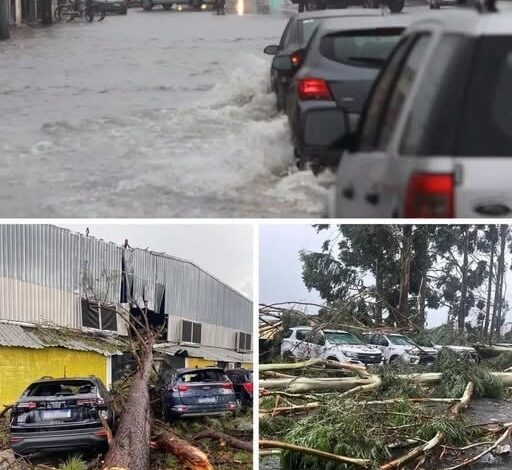
The atmosphere across the city has shifted from a calm afternoon into a state of high-alert as meteorologists and emergency management officials track a powerful, fast-moving severe thunderstorm advancing with alarming velocity. This is not merely a routine seasonal disturbance; radar imagery has revealed a highly organized and volatile storm cell characterized by intense internal dynamics. The system is currently barreling toward the metropolitan area, carrying the potential for life-threatening conditions, including destructive straight-line winds, torrential downpours, and a nearly continuous barrage of cloud-to-ground lightning. As the leading edge of the storm approaches, the sky has taken on an ominous, bruised hue, serving as a visual precursor to the atmospheric violence about to be unleashed.
Local weather bureaus have classified this system as an imminent threat, warning that the storm’s rapid acceleration means the window for preparation is closing fast. The primary concern for public safety is the anticipated wind gusts, which may exceed thresholds capable of uprooting mature trees and snapping utility poles. Such force poses an immediate danger to residential structures and vehicles, particularly in older neighborhoods with significant tree canopies. Furthermore, the sheer volume of moisture being carried by this system suggests that rainfall rates could overwhelm urban drainage systems within minutes. This creates a high probability of flash flooding in low-lying areas, underpasses, and arterial roads, transforming standard commutes into treacherous navigational challenges.
Emergency services have been placed on high alert, and officials are pleading with residents to prioritize their immediate safety by moving indoors and away from windows. The frequency of lightning strikes within this cell is particularly high, posing a lethal risk to anyone caught in open spaces, on athletic fields, or near bodies of water. The advice from the Department of Public Safety is unequivocal: if you can hear thunder, you are close enough to be struck. Residents are encouraged to spend these final moments before the storm hits securing loose outdoor furniture, trash bins, and any other items that could become airborne projectiles in high winds. Securing the exterior of a home is a critical step in mitigating property damage and preventing secondary injuries to neighbors.
For those currently on the road, the directive is to seek shelter immediately. Driving during the peak of such a severe thunderstorm is a gamble against rapidly deteriorating visibility and unpredictable road hazards. Flash flooding can occur with such suddenness that drivers may find themselves stranded in rising waters before they can safely exit their vehicles. Additionally, the risk of hydroplaning and the presence of fallen debris—such as large branches or downed power lines—make the roads a primary site for accidents during these events. If you are caught in transit, the safest course of action is to pull over into a sturdy parking structure or a location away from tall trees and wait for the core of the storm to pass. Under no circumstances should anyone attempt to drive through flooded roadways, as even a few inches of moving water can exert enough force to sweep a vehicle off its path.
Beyond the immediate physical dangers, the city is bracing for the likelihood of significant infrastructure disruptions. Utility companies have mobilized repair crews in anticipation of widespread power outages. As the wind tears through the electrical grid, residents should be prepared for the loss of lights, climate control, and internet connectivity. It is highly recommended that all mobile devices be fully charged immediately and that emergency kits—containing flashlights, fresh batteries, and a basic first-aid supply—be kept in an easily accessible location. In the digital age, staying informed is vital, and residents are urged to utilize battery-powered weather radios or smartphone apps that provide real-time alerts to track the storm’s progress and receive any further emergency instructions from city hall.
The psychological impact of such sudden, intense weather events can be significant, especially for vulnerable members of the community. In the final minutes of calm, residents are asked to perform a quick “safety check” on elderly neighbors, individuals with mobility issues, or those living alone. A brief phone call or a knock on the door can ensure that everyone in the community is aware of the incoming danger and has a plan to reach a safe interior room. For families with pets, now is the time to bring animals inside and provide them with a secure space, as the loud claps of thunder and the high-pitched whistle of the wind can cause severe distress and lead to flight instincts.
As the storm moves closer, the temperature is expected to drop sharply, accompanied by a noticeable increase in pressure. These sensory cues are the final warnings for the public to move into a “shelter-in-place” posture. The safest location in most homes is an interior room on the lowest floor, such as a bathroom, closet, or hallway, away from exterior walls and glass. Avoiding the use of corded electronics and plumbing during the peak of the lightning activity is also a standard safety precaution, as electrical surges can travel through a building’s wiring or pipes.
Meteorologists are continuing to analyze the storm’s trajectory, noting that while the system may move through the city with relative speed, the intensity of its passage could leave a lasting mark on the landscape. Once the initial line of storms has cleared, the danger does not immediately subside. Residents must remain cautious of “hidden” hazards such as weakened tree limbs that may fall hours after the wind has died down, or electrified puddles caused by downed “live” wires. Approaching any downed utility line is strictly forbidden, and any such sightings should be reported to emergency dispatchers immediately.
The city has weathered severe systems before, but the unique combination of the current storm’s speed and its high energy levels requires a heightened level of communal vigilance. By acting now—by staying informed, staying indoors, and looking out for one another—the residents of the city can significantly reduce the potential for tragedy. The goal of these urgent alerts is not to cause panic, but to foster a state of readiness that prioritizes the sanctity of human life over the inconvenience of a disrupted schedule. As the first heavy droplets of rain begin to strike the pavement and the wind begins its mournful howl through the streets, the time for preparation has ended. The city must now hunker down, wait out the fury of the atmosphere, and prepare to support one another in the aftermath. Stay alert, stay informed, and most importantly, stay safe until the “all clear” is officially issued.
On a lively summer afternoon in Puerto Vallarta, the seaside boardwalk overflowed with music, laughter, and the scent of salt in the air. Yet for Elena, that place would forever carry a quiet ache. Eight years earlier, she had visited the beach with her young daughter Sofía, enjoying the sunshine and waves. In a brief moment of distraction, Elena turned away—and when she looked back, Sofía was no longer beside her. What followed was a long period of unanswered questions and tireless searching, as Elena held tightly to hope and faith. Eventually, she returned to Mexico City, where she continued running her small bakery, greeting customers with warm bread and a brave smile, even as her heart never stopped longing for her child.
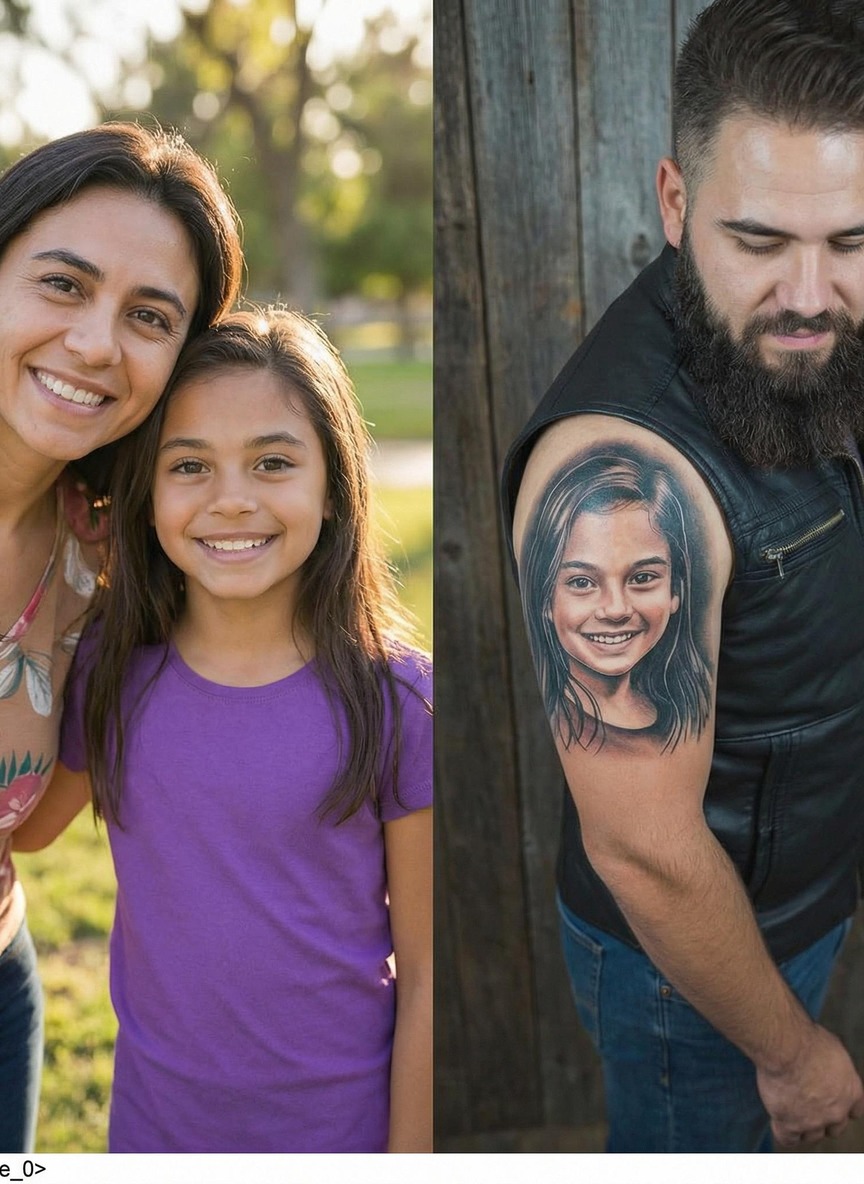
Life moved forward slowly. Elena cared for her shop, honored her late husband’s memory, and remained quietly devoted to the belief that someday she would learn what became of Sofía. Then, one ordinary morning, a small group of young men stepped into her bakery to buy drinks and pastries. As Elena reached for a glass of water, her attention caught on a tattoo on one visitor’s arm — a simple portrait of a girl with bright eyes and braided hair. Something about it felt deeply familiar. With a trembling voice, she asked who the tattoo represented. The young man, Daniel, answered that it was his sister, Sofía. Elena’s breath caught, and the world seemed to pause as eight years of waiting led to this unexpected moment.
Daniel explained that years earlier, his mother had found a frightened young girl near a roadway outside their town. Unsure of how to help and afraid of losing her, she welcomed the child into their home and raised her with care. Sofía grew up loved, attended school, and became known for her kindness and dedication to helping others. Before Daniel’s mother passed away, she shared the truth with Sofía — that her past held unanswered questions and another family somewhere. Though surprised, Sofía carried forgiveness in her heart and continued building her life with strength and compassion. Now, Daniel offered to take Elena to see her.
When Elena entered the small clinic where Sofía worked, she saw a young woman with familiar eyes and the same braided hair she once tied each morning. Sofía looked up, sensing something beyond recognition — a connection older than memory. Without needing explanation, they stepped toward one another and embraced, tears of joy replacing years of sorrow. In the days that followed, formal confirmations supported what their hearts already knew. Sofía chose to move to Mexico City to live with her mother, filling the bakery once again with laughter and shared stories. Later, they returned together to the Puerto Vallarta shore, placing flowers by the sea — not in sadness, but in gratitude. After eight long years, love had found its way home, stronger than time and brighter than ever.
Highway 80 stretched across the Texas plains like a scar carved into the land, long, flat, and unforgiving. The asphalt shimmered under a dull, iron-colored sky, the kind that pressed down on you and made even open space feel claustrophobic. Deputy Ryan Miller had patrolled this stretch for years. To outsiders, it looked like nothing but empty road and scrub grass. To Miller, it was a corridor for predators.
In the back of his cruiser, secured behind a reinforced kennel gate, Duke shifted impatiently. The Belgian Malinois was all muscle and focus, seventy pounds of coiled intensity wrapped in dark fur. Duke hated idle time. Miller understood that restlessness well. In their line of work, boredom was rarely harmless. It was the quiet before something went wrong.
Miller carried a weight most people never saw. Five years earlier, he had stopped a white van for a broken taillight. The driver had seemed nervous but polite, full of excuses and apologies. Miller had let him go with a warning. Three days later, the news broke. The van had been carrying abducted children across state lines. By the time authorities caught up, it was too late.
That mistake calcified inside Miller. It reshaped how he worked, how he watched, how he listened. He no longer saw traffic; he saw behavior. He read the sag of suspensions, the way a driver held their breath, the subtle stiffness that came from rehearsed calm. He trusted patterns, and he trusted Duke.
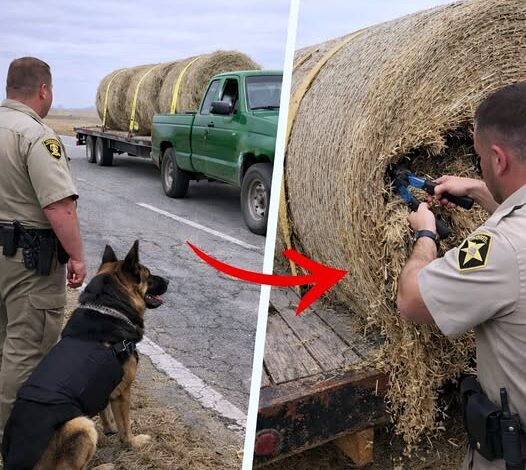
The afternoon was quiet when a faded blue Ford pickup crested the horizon, towing a flatbed stacked with massive round hay bales. It was the most ordinary thing imaginable in this part of Texas. A farmer hauling feed. Nothing more.
But Miller’s eyes dropped to the tires.
They were crushed low, sidewalls bulging under a weight that didn’t make sense. Hay was bulky, not heavy. That trailer was carrying far more than dried grass.
“Too heavy,” Miller muttered.
Duke’s head snapped up.
Miller pulled onto the highway and followed at a distance. The truck held exactly to the speed limit, no fluctuations, no mistakes. The driver didn’t check his mirrors once. It was a classic tell—ignore the threat and maybe it disappears.
After two miles, the truck drifted just enough for a tire to kiss the white fog line. That was all Miller needed. He hit the lights. Red and blue exploded across the trailer as the pickup eased onto the gravel shoulder, dust billowing behind it.
The driver smelled wrong the moment Miller reached the window. Sweat, cigarettes, panic. His name was Stephen Kovich. His hands shook violently as he explained he was delivering alfalfa to a ranch Miller knew didn’t exist. His paperwork fumbled, his voice cracked, and his eyes never settled.
“Step out of the vehicle,” Miller said.
He brought Duke out next.
The dog moved with sudden purpose. He ignored the wheel wells, bypassed the usual spots, and went straight for the center hay bale. Duke didn’t sit. He didn’t freeze. He erupted—barking, clawing, throwing his weight against the trailer.
This wasn’t a drug alert.
It was a living find.
Kovich started shouting about ruined hay. Miller barely heard him. Up close, the bale was wrong. The straps cut deep, far deeper than they should. Miller pressed his hand against the side. No give. No softness. Just solid resistance.
He drove a steel probe into the bale.
Metal answered back.
Miller cut through the netting. The hay peeled away in neat sections, revealing plywood stained brown to blend in. A ventilation slit ran along the side.
He pried.
The panel broke free, and Miller shined his flashlight inside.
An eye stared back at him. Wide. Terrified. Human.
A muffled sound escaped the box.
“Oh God,” Miller breathed.
Behind him, Kovich ran.
The driver lunged for the cab, reaching for a shotgun tucked behind the seat. Traffic roared past, making a clear shot impossible. Miller didn’t hesitate.
“Duke!”
The dog launched.
Duke slammed into Kovich, jaws clamping down on his arm. The shotgun hit the pavement. Gravel sprayed as the man screamed and went down. Seconds later, Miller had him cuffed and locked in the cruiser.
Then Miller turned back to the trailer.
He ripped the first bale open completely. Inside was a young woman, folded into a space barely wide enough to breathe. Her lips were blue. Her skin clammy. He lifted her out and laid her gently on the ground.
The second bale held a man and a teenage boy, crushed together. The man was unconscious, chest barely rising.
The third was worse. A mother and two small children lay limp, oxygen-starved, eyes glassy. Panic surged through Miller as he tore at the fourth bale with bloodied hands.
Two more men spilled out, gasping.
Eight people.
Eight lives hidden in wooden coffins disguised as farm cargo.
Miller radioed an emergency alert, voice shaking as he called for medical units, backup, anyone. As he worked to keep the victims conscious, movement caught his eye across the median.
A black SUV idled.
Two men stepped out, rifles in hand.
They didn’t rush. They assessed.
Cleaners.
Miller was alone. Duke stood between him and the threat, teeth bared, barking with pure fury.
Miller grabbed the cruiser’s PA. “Air support is overhead,” he shouted, bluffing with everything he had. “Drop your weapons now!”
The men hesitated. Duke lunged forward, snarling.
After a tense moment, they retreated, tires screaming as the SUV vanished into the distance.
When sirens finally filled the air, Miller collapsed against the truck, adrenaline draining out of him like blood. Paramedics swarmed the victims, oxygen masks pressed to faces that had nearly run out of time.
Two days later, Miller visited the hospital. The young woman from the first bale recognized him instantly. She stood and wrapped her arms around him, sobbing.
“I didn’t see you,” Miller said softly, showing her a photo on his phone. “He did.”
He walked back into the Texas sun lighter than he’d felt in years. The highway still waited. So did the shadows.
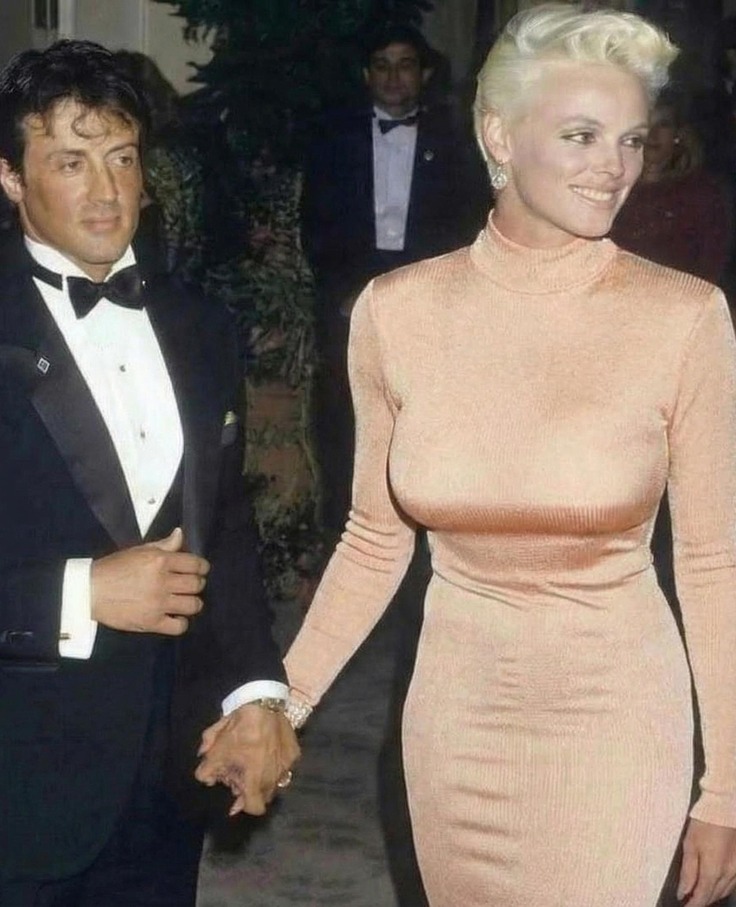
Once known as part of one of Hollywood’s most talked-about couples, she has recently captured public attention again by confidently sharing her refreshed appearance at age 60. Throughout her career, she has been admired for her expressive presence, natural charm, and ability to stand out in a competitive industry. Her recent return to the spotlight has been met with warm reactions from longtime fans and new audiences alike. More than anything, her story reflects a person who continues to embrace life’s evolution with self-assurance and dignity. By staying true to herself, she reminds others that confidence grows stronger with experience and that personal style is timeless.
Her life journey has been shaped by meaningful experiences both personally and professionally. She has navigated relationships, family responsibilities, and career transitions with determination. As a mother of five, she has balanced public life with private devotion, building a foundation centered on love and responsibility. Over the years, she has adapted to change with grace, choosing growth over discouragement. Instead of allowing challenges to define her, she has used them as opportunities to learn and progress. Her ability to remain grounded through shifting circumstances has earned admiration from those who appreciate strength paired with authenticity.
At 60, she represents the idea that personal well-being and self-respect play a major role in living vibrantly. Supporters often note her sense of style, energy, and positivity, all of which reflect a lifestyle rooted in care and mindfulness. Her presence shows that getting older does not limit personal potential; rather, it opens doors to new perspectives and renewed purpose. By prioritizing balance, wellness, and self-confidence, she continues to inspire people across generations. Her outlook encourages others to celebrate every stage of life, finding motivation in self-acceptance and continued self-discovery.
One of the most recognized chapters of her public life was her past relationship with Sylvester Stallone during the 1980s, a pairing that drew wide media attention. Though their marriage lasted only a short time, it became part of entertainment history. Years later, they reunited briefly for a professional project, demonstrating mutual respect and maturity. Today, she is appreciated not for past associations but for her own identity and accomplishments. Her current chapter is defined by independence, confidence, and enduring appeal. She stands as an example that while life experiences contribute to one’s story, personal strength and direction ultimately shape the future. Her journey continues to inspire those who believe in evolving gracefully and living authentically at every age.
Air travel has always been a blend of routine and unpredictability. Thousands of people board flights daily, each carrying their own stories, anxieties, and secrets. Some passengers remain unnoticed, blending into the sea of travelers, while others leave marks that are unforgettable. On one ordinary morning, Flight 421 became the stage for a story no one aboard would ever forget.
A Man Who Stood Out
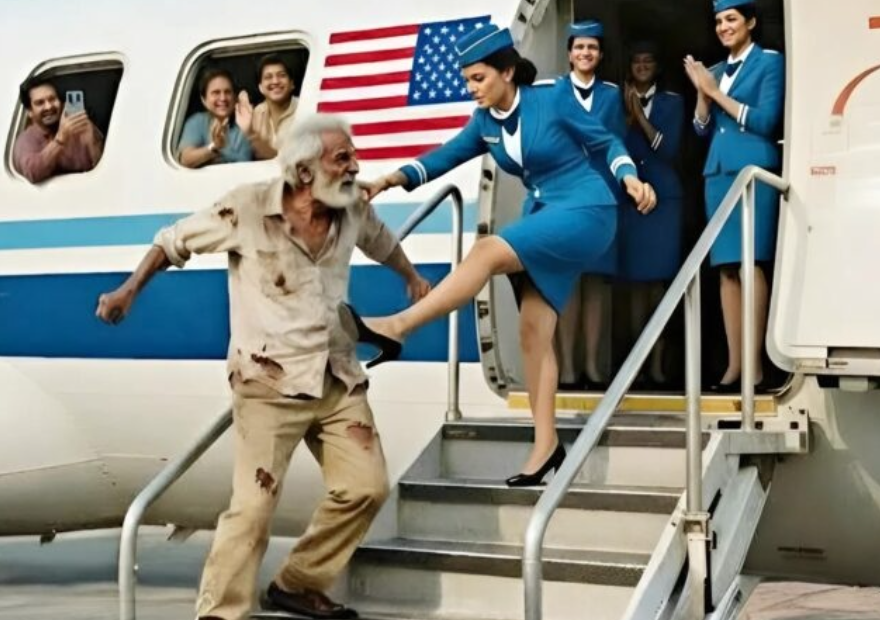
Among the passengers waiting to board, one man immediately drew attention—not in a positive way. He appeared to be in his early fifties, though the lines on his face suggested years far beyond that. His clothes were wrinkled and worn, his jacket frayed at the edges. His shoes carried the dust of countless streets. There was something about his tired expression, his quiet demeanor, and the way he moved that made people glance and look away at the same time. To many, he looked like someone who had fallen through the cracks of life.
He presented his ticket to the gate agent with slow, careful movements. His eyes were weary, but there was a certain steadiness in them—a depth that suggested he had weathered storms invisible to the casual observer. Once on board, he quietly walked to row 17, selecting the seat by the window.
The woman in the aisle seat raised an eyebrow as he passed, her expression registering a mix of disgust and suspicion. She whispered something to her companion. Even Emma, one of the flight attendants, paused briefly when checking his reservation. There was a flicker of doubt in her eyes, but professionalism kept her moving.
“His smell is unbearable,” muttered one passenger under her breath, pinching her nose. A few heads turned with mild irritation, but the plane was full. No one could switch seats. The man, Paul, said nothing. Instead, he settled into the window seat and gazed out at the sky, the clouds drifting lazily beneath the rising sun. There was serenity in his quiet observation, a stark contrast to the small judgments being passed around him.
A Ghost from the Past
Suddenly, a voice cut through the murmur of passengers.
“Hey… Paul? Is that you?”
It came from a well-dressed man walking down the aisle—a face familiar to Paul, though it had aged differently than his own. The man’s posture and demeanor screamed success, confidence, and privilege. Mark. A former schoolmate, now a CEO of a thriving corporation.
Recognition flitted across Mark’s face, followed by a hint of amusement. “Wow… look at you,” he said, eyes scanning Paul from head to toe. There was a brief moment of tension, a silent comparison of their lives since school days
Paul turned his head slowly, adjusting his old, round spectacles. “It’s a long story,” he said softly. “Maybe I’ll tell you someday.”
There was no resentment in his tone, no bitterness for the apparent disparity between their lives. His hands trembled slightly as he rested them on his knees, but his gaze was unwavering, resolute.
Turbulence Strikes
The plane began to move, ascending smoothly into the morning sky. The hum of the engines was comforting to some, anxiety-inducing to others. Emma’s voice crackled over the intercom, reminding passengers to fasten their seatbelts and secure personal items.
Minutes passed. The plane felt steady. Then, without warning, it shuddered. A light turbulence, barely perceptible at first, caught the attention of some passengers. Emma’s voice rang out once again:
“Ladies and gentlemen, please remain seated and keep your seatbelts fastened. We’re experiencing a little turbulence.”
A gentle sway turned into a sudden jolt. The plane rocked violently, tossing passengers against their restraints. Drinks spilled, and panic began to ripple through the cabin.
“Is there a doctor on board?” Emma’s voice rose above the chaos, trembling slightly. “We have an emergency!”
For a moment, the passengers froze. Panic replaced judgment. No one moved immediately.
And then Paul’s calm, steady presence broke the spell.
The Moment of Truth
His gaze swept across the cabin, catching Emma’s eye. Without a word, he stood. Every movement was deliberate, precise, controlled despite his exhaustion. The hum of chaos seemed to slow around him. The passengers noticed, instinctively giving him space.
Near the emergency exit, a man lay on the floor, face pale, lips tinged blue, and breathing erratically. Fear gripped the cabin, but Paul moved forward without hesitation. He shrugged off his worn jacket, revealing forearms marked with faint, old scars—a history that hinted at past experience.
“Step aside! Give him room!” Paul commanded, his voice firm but calm.
Passengers quickly obeyed. Some held back tears, some watched in silent awe. Paul knelt beside the collapsed man, checking his pulse, evaluating the situation. Every movement demonstrated practiced efficiency, a lifetime of training coming alive in a matter of seconds.
Minutes felt like hours. Paul’s hands worked with precision—compressions, airway management, careful observation. And then, slowly, the man’s chest rose with a sigh of life.
The cabin exhaled collectively. A murmur of disbelief spread. The man who had been dismissed as a vagrant, the subject of whispers and sneers just moments earlier, had become a savior.
Recognition and Shock
Mark froze. Recognition hit him like a thunderclap. Memories surged back—Paul in uniform, calm under pressure, the decorated military doctor who had vanished years ago following an accident. The man he had laughed at earlier had a history filled with courage, honor, and unspoken heroism.
Passengers who had wrinkled their noses now looked with admiration. Some clutched their hands to their chests. Emma, standing nearby, whispered softly:
“You… saved a life.”
Paul simply nodded. There was no pride in his expression, only quiet satisfaction. His eyes returned to the window for a moment, then back to the passengers, acknowledging their awe without a word.
A Flight Transformed
What had started as a flight filled with judgment and quiet scorn had transformed into a shared moment of reverence. Conversations that had been focused on trivial annoyances—smells, old clothing, modest appearances—shifted entirely. In their place came reflection: humility, gratitude, and awe.
Passengers no longer saw Paul as the tired, shabby man they had assumed him to be. They saw courage, skill, and humanity—the essence of what it meant to be a hero in an ordinary setting.
Emma assisted the revived passenger, who now breathed steadily, a smile of relief replacing the earlier fear. She approached Paul once again, quieter this time, her voice gentle:
“You’ve done something remarkable. Thank you.”
Paul nodded, simply. “Just doing what needed to be done,” he replied.
And with that, he returned to his seat, settling quietly, his story once again hidden beneath the surface of ordinary appearances. But now, every eye on the plane saw him differently, every heart carried a memory of the man who had risen when needed most.
Lessons from the Sky
Flight 421 continued to its destination, now calmer, the passengers subdued yet more connected than before. They had witnessed courage, humility, and skill all in one moment. Paul had reminded them that true heroism often comes in unexpected forms, from people whom society tends to overlook or underestimate.
It wasn’t the clothing, the shoes, or even the physical appearance that mattered—it was what lay beneath: experience, knowledge, courage, and the willingness to act when it counted most.
In the end, Paul did not seek recognition or applause. He had already earned it silently, in the hearts of everyone who had been on that plane. What mattered was not fame, but impact—the difference he made in one life, in one brief, powerful moment.
Passengers would remember Flight 421 for decades, not because of turbulence, or because of delays, or even because of discomfort. They would remember the quiet hero who proved that appearances are deceiving and that sometimes, the most remarkable people are the ones we never expect.
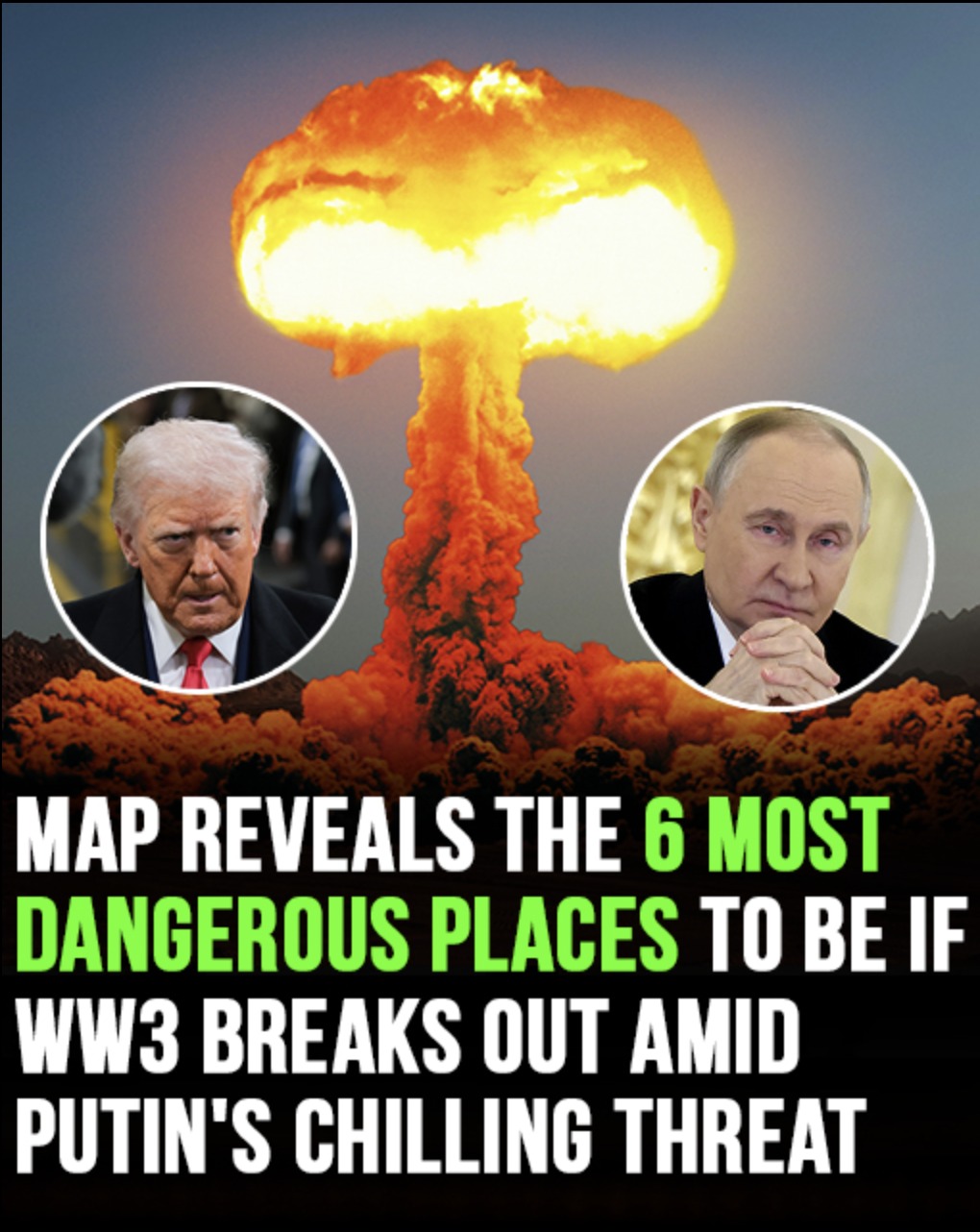
Anyone with a clear-eyed understanding of modern warfare knows that a third world war would serve no one. There would be no winners, no rebuilding period that restores balance, no distant battlefield that spares civilian life. In a world armed with nuclear weapons, hypersonic missiles, cyber warfare, and autonomous systems, a global conflict would not be measured in territory gained but in cities erased and lives permanently altered.
The danger today is not one single crisis. It is the accumulation of many. Regional conflicts overlap, alliances harden, rhetoric escalates, and trust erodes. Each new flashpoint raises the probability of miscalculation. History makes one thing clear: world wars do not begin because everyone wants them. They begin when one decision, made under pressure or ego, triggers consequences that cannot be reversed.
If World War III were to erupt, no place on Earth would be truly safe. Modern warfare ignores borders, and nuclear fallout does not respect neutrality. Still, some regions would face far greater danger than others due to military concentration, strategic importance, or long-standing geopolitical tensions. Based on current global realities, these are among the most dangerous places to be if a global conflict breaks out.
The United States would almost certainly be at the center of any world war. As the world’s most powerful military force and a cornerstone of NATO, it would be both a primary actor and a primary target. The country hosts hundreds of military bases, nuclear command centers, and strategic infrastructure sites that would be considered high-value targets in a large-scale conflict. Major metropolitan areas, particularly those tied to defense, technology, or governance, would face elevated risk.
Concerns are often amplified by the unpredictable nature of leadership and political polarization. Under Donald Trump, U.S. foreign policy was frequently described as aggressive and transactional, increasing fears of rapid escalation during crises. While leadership changes over time, the reality remains that the United States’ global role makes it impossible for it to remain insulated from a world war.
The Middle East remains one of the most volatile regions on the planet, and Iran stands at the center of many of those tensions. Ongoing disputes over nuclear development, past U.S. military strikes, proxy conflicts, and internal instability place Iran in constant confrontation with regional and global powers. Any major escalation involving Iran would likely draw in allies and adversaries rapidly, transforming a regional conflict into a global one.
Closely tied to this instability is Israel, a nation that exists under persistent threat due to its geopolitical position. Long-running conflict with Palestine, hostility from neighboring states, and prior missile exchanges with Iran keep Israel in a near-constant state of military readiness. While Israel alone is unlikely to trigger a world war, any major escalation involving it would almost certainly pull in the United States and other global powers, dramatically widening the scope of conflict.
Eastern Europe has re-emerged as a major danger zone following Russia’s invasion of Ukraine. Russia is already engaged in active warfare that has reshaped global alliances and revived Cold War-style tensions. Russian leadership, including Vladimir Putin, has repeatedly referenced readiness for confrontation with NATO and has openly discussed nuclear capabilities as a deterrent.
A direct clash between Russia and NATO would represent one of the most dangerous scenarios imaginable. Russia’s vast nuclear arsenal and strategic doctrine mean that escalation could occur rapidly, leaving little room for de-escalation once hostilities begin.
In East Asia, Taiwan represents one of the most precarious flashpoints in the world. The Chinese government has repeatedly stated that reunification with Taiwan is inevitable, and military pressure has steadily increased. Xi Jinping has made it clear that force remains an option.
In the event of a broader global conflict, many analysts believe China could use the distraction as cover to move militarily against Taiwan. The consequences would be immediate and global. Taiwan plays a critical role in semiconductor manufacturing, global trade routes, and regional security. Any conflict there would ripple through global markets, supply chains, and military alliances almost instantly.
Another unpredictable and dangerous player is North Korea. While more isolated than other powers, it remains heavily militarized and deeply volatile. Its ongoing missile tests, nuclear development, and increasingly close ties with Russia make it a wildcard in any global conflict. If drawn into a world war—directly or indirectly—North Korea would become extraordinarily dangerous, both for its population and neighboring countries.
What makes World War III especially terrifying is that it would not resemble previous global wars. There would be no clear front lines, no gradual mobilization, and no safe distance from the violence. Cyberattacks could cripple infrastructure before a single missile is launched. Communication systems could collapse. Civilian populations would be exposed immediately.
The idea of “safe zones” becomes almost meaningless in such a scenario. Neutrality offers no protection against fallout, economic collapse, or global supply disruptions. Even countries far from major military targets would feel the effects through food shortages, financial instability, and environmental damage.
The world has seen this path before in fragments. Each generation assumes it is wiser than the last, yet the same patterns repeat: rising nationalism, erosion of diplomacy, and the belief that force can solve what dialogue cannot. The difference now is scale. The tools available today make past wars look restrained by comparison.
The hope, of course, is that leaders understand what is at stake. That restraint prevails over pride. That diplomacy outpaces destruction. But hope alone does not prevent war. Awareness, accountability, and global pressure do.
World War III would not be a distant event watched on screens. It would be immediate, personal, and irreversible. The regions most entangled in military power and geopolitical rivalry would face the greatest danger, but the consequences would touch every corner of the planet.
The uncomfortable truth is that avoiding such a future requires more than fear. It requires leaders willing to step back from the edge—and a global public that refuses to normalize the march toward catastrophe.