Senate Faces Renewed Showdown Over Presidential War Powers Following U.S. Action in Venezuela

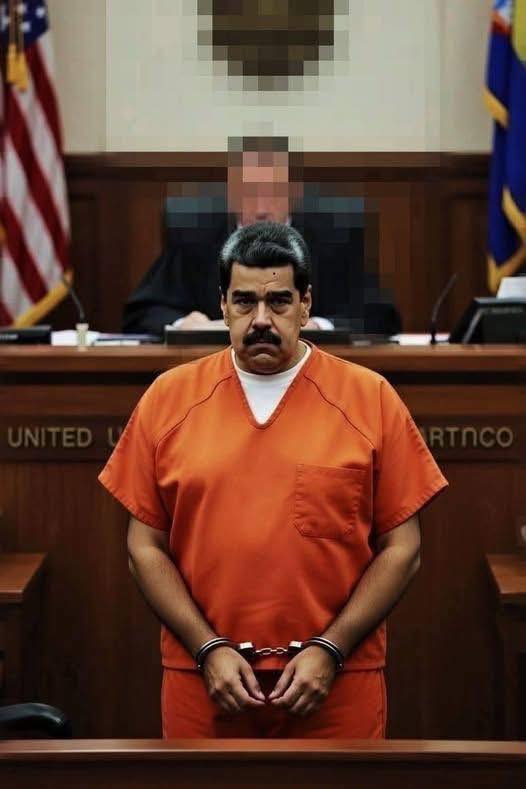
Washington has been thrust into a renewed and highly consequential constitutional discussion following a U.S.-led operation in Venezuela that resulted in the detention of former Venezuelan leader Nicolás Maduro. What initially appeared to be a decisive and tightly controlled foreign policy action has since evolved into a far broader debate—one that reaches deep into the foundations of American governance.

At the heart of the controversy lies a long-standing and unresolved question: how far can presidential authority extend when authorizing overseas actions involving force without direct approval from Congress? The episode has reignited concerns about executive power, legislative oversight, and the delicate balance envisioned by the U.S. Constitution.

As elected officials, constitutional scholars, and international observers analyze the implications, the situation has become more than a single policy decision. It now serves as a modern test of how the United States defines military engagement, law enforcement beyond its borders, and democratic accountability in a rapidly evolving global landscape.

The Operation and Its Immediate Aftermath

In early January, U.S. personnel conducted a rapid overnight operation within Venezuelan territory that culminated in the apprehension of Nicolás Maduro and his wife. According to U.S. officials, the individuals were transported to New York to face previously filed federal charges related to alleged criminal activity.

The administration described the mission as a narrowly focused law enforcement action aimed at enforcing U.S. indictments. Officials emphasized that the operation was limited in duration, avoided prolonged engagement, and did not involve an ongoing military presence inside Venezuela.

However, reports soon emerged indicating that the mission relied on advanced coordination across agencies, specialized equipment, and military logistical support. These elements prompted immediate scrutiny, with critics questioning whether the operation more closely resembled a military action than a conventional arrest or extradition.

Within days, members of Congress from both parties began raising concerns about how such an operation could proceed without explicit legislative consultation. For many lawmakers, the scale and international ramifications suggested that congressional authorization should have been required regardless of how the action was labeled.

Constitutional Authority and the Separation of Powers

The U.S. Constitution assigns shared responsibility over national defense and the use of force. Congress holds the power to declare war, authorize military funding, and establish rules governing armed forces. The president, as commander-in-chief, directs military activity once such authority is granted.

Over decades, this division has grown increasingly complex. Modern conflicts rarely involve formal declarations of war. Instead, they often consist of limited strikes, targeted operations, and special missions that fall into legal gray areas.

The Venezuela operation has intensified concerns that presidential discretion may be expanding beyond constitutional intent. Critics argue that the detention of a former head of state using military capabilities represents a significant escalation that should not occur without congressional debate.

Supporters of the administration counter that the president must retain flexibility to address security threats and enforce U.S. law abroad, particularly when dealing with individuals facing serious criminal charges.

Congressional Response and the War Powers Resolution

In response, several U.S. senators introduced a War Powers Resolution designed to reaffirm Congress’s role in authorizing the use of force. The measure sought to require explicit congressional approval before any further U.S. actions related to Venezuela could proceed.

Sponsors framed the resolution as a defense of constitutional procedure rather than a condemnation of the administration’s broader goals. They argued that congressional oversight is essential regardless of which party holds the White House.

Initially, the proposal appeared to gain bipartisan traction. Lawmakers across ideological lines expressed concern that allowing unilateral executive action could set a precedent with lasting implications.

Senators emphasized that constitutional responsibilities should transcend partisan loyalties. From their perspective, failure to act would amount to Congress relinquishing one of its most fundamental duties.

A Pivotal Senate Vote and Its Fallout

Despite early momentum, the resolution ultimately failed to advance. During a closely watched vote, several senators who had previously signaled support withdrew, resulting in a tie.

Vice President J.D. Vance cast the deciding vote, preventing the resolution from moving forward. The outcome triggered immediate reactions throughout Washington, with critics warning that congressional oversight had been weakened at a critical moment.

Some lawmakers acknowledged privately that political considerations and national security sensitivities influenced their decisions. The episode highlighted the challenges Congress faces when attempting to assert authority in matters framed as urgent or strategic.

Divergent Perspectives Within the Legislature

Arguments Supporting Oversight

Proponents of the resolution maintain that the Constitution clearly assigns Congress a role in authorizing significant uses of force. They argue that apprehending a former foreign leader through coordinated operations carries geopolitical consequences that extend far beyond routine law enforcement.

From this perspective, allowing unilateral action risks normalizing executive overreach and diminishing democratic accountability. Lawmakers expressing this view stress that the issue is institutional rather than partisan.

Defense of Executive Flexibility

Those aligned with the administration argue that the War Powers framework was designed to address sustained military conflicts, not limited operations targeting individuals under U.S. indictment.

They emphasize that the mission did not result in occupation, prolonged hostilities, or ongoing troop deployment. Supporters also note that Congress retains tools such as funding restrictions if it believes the executive branch has exceeded its authority.

Legal Ambiguity and Ongoing Interpretation

The debate underscores long-standing uncertainty surrounding the War Powers Resolution of 1973. While intended to limit unilateral presidential action, its language leaves room for interpretation—particularly regarding what constitutes “hostilities.”

Modern operations involving drones, cyber capabilities, and special forces challenge traditional definitions of warfare. Legal scholars note that these developments complicate efforts to apply decades-old frameworks consistently.

In this case, the administration’s reliance on criminal indictments further blurs the line between military action and law enforcement, raising questions that courts and lawmakers continue to grapple with.

International Law and Global Considerations

Beyond domestic law, the operation has drawn attention from international legal experts. Some argue that detaining a former head of state without authorization from international bodies could conflict with principles outlined in the U.N. Charter.

Institutions focused on global governance caution that such actions may weaken international norms intended to prevent unilateral use of force. Others contend that international law must adapt to modern threats, including transnational criminal networks.

Diplomatic Engagement After the Operation

Following the detention, U.S. officials moved to stabilize relations with Venezuela’s interim leadership. High-level meetings emphasized dialogue, humanitarian considerations, and economic recovery.

These diplomatic efforts suggest an attempt to balance decisive action with longer-term engagement, signaling that the operation was not intended to lead to continued intervention.

Regional and Political Reactions

Across Latin America, reactions have been mixed. Some governments expressed concern over sovereignty and precedent, while opposition groups welcomed what they viewed as a turning point.

The event has also become symbolically significant in Washington, reflecting evolving alliances and highlighting the intersection of foreign policy and domestic constitutional debate.

Looking Ahead: Implications for Governance

Although the Senate resolution failed, lawmakers have indicated that discussions are ongoing. Hearings, new legislation, and further debate are expected as Congress evaluates its role.

Historically, disputes over war powers have surfaced during moments of crisis, from Vietnam to more recent conflicts. Each episode shapes how authority is exercised in the future.

The current debate may influence how future administrations approach overseas operations and how assertively Congress responds.

Public Trust and Democratic Accountability

Public opinion remains divided. Some citizens prioritize decisive action against individuals accused of serious crimes, while others express concern about the erosion of constitutional checks and balances.

For many, the issue extends beyond Venezuela. It reflects broader questions about how power is exercised, how decisions are justified, and how democratic institutions function in practice.

Conclusion

The U.S. operation resulting in Nicolás Maduro’s detention has triggered one of the most significant constitutional discussions in recent years.

Efforts to reinforce congressional oversight narrowly failed, leaving unresolved questions about executive authority.

Lawmakers, legal experts, and the public continue to debate whether the action constituted military force or a limited law enforcement mission.

As these discussions continue, the episode stands as a reminder that constitutional balance is not static—it must be continually examined, tested, and reaffirmed in light of new challenges.

As debate continues, constitutional scholars note that moments like this often become reference points for future administrations. Even when immediate legislative efforts stall, the discussions themselves shape norms, expectations, and public awareness. Over time, these debates can influence how executive decisions are justified and how aggressively Congress chooses to respond when similar situations arise.

Some experts suggest that the long-term impact of the Venezuela episode may be less about the specific outcome and more about the precedent it reinforces. Each instance in which unilateral action proceeds without clear legislative approval subtly reshapes the balance of power, regardless of political affiliation. This gradual shift underscores why institutional checks exist and why their consistent application matters.

Others argue that evolving global threats demand flexibility and speed that traditional frameworks struggle to accommodate. In this view, future reforms may need to modernize oversight mechanisms rather than rely solely on decades-old statutes.

Ultimately, the episode has reopened a critical national conversation—one that extends beyond any single administration or foreign policy decision. It challenges lawmakers and citizens alike to consider how constitutional principles can remain resilient in a world where security, technology, and geopolitics move faster than ever before.
Cargo Aircraft Accident in Kentucky Prompts Federal Investigation and Statewide Response

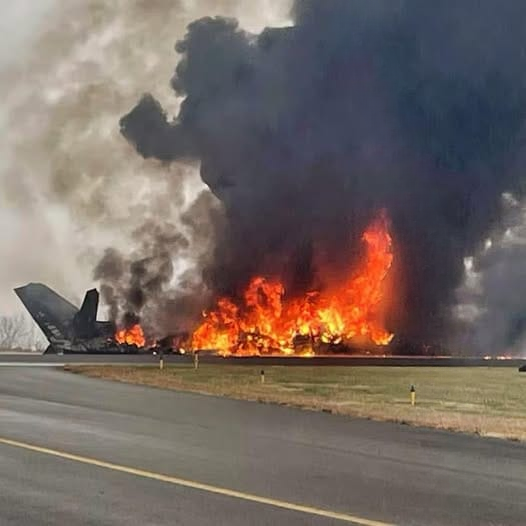
On a quiet winter evening in Kentucky, operations at one of the nation’s most important logistics hubs were abruptly interrupted by a devastating aviation incident. A cargo aircraft operating for United Parcel Service (UPS) was involved in a catastrophic accident shortly after departure from Louisville Muhammad Ali International Airport, triggering a large-scale emergency response and a comprehensive federal investigation.

The incident has drawn national attention due to the aircraft involved, the scale of the response, and the broader implications for aviation safety and cargo operations. While investigators caution that it is too early to draw conclusions, the event has already had a profound impact on families, first responders, airport operations, and the surrounding community.

Overview of the Incident

The accident occurred in the early evening hours, shortly after 5:00 p.m., when a UPS-operated MD-11 cargo aircraft was attempting to depart Louisville Muhammad Ali International Airport on a scheduled flight. According to preliminary information released by aviation authorities, the aircraft encountered a serious malfunction during the takeoff phase.

Witnesses in the vicinity reported seeing the aircraft struggle to gain altitude before descending rapidly near the runway area. Emergency alarms were activated immediately, and airport personnel initiated established emergency protocols.

The aircraft was transporting standard commercial cargo and a substantial quantity of aviation fuel for a long-haul flight. Officials have emphasized that no hazardous materials were listed on the manifest.

Emergency Response and Initial Actions

Within minutes of the incident, multiple emergency units converged on the scene. Fire and rescue crews from Louisville Metro Fire and EMS were among the first responders, supported by airport emergency teams and mutual aid agencies from surrounding jurisdictions.

The response also included assistance from the Kentucky National Guard and state emergency management officials, who helped secure the area and support firefighting efforts. Due to the volume of fuel involved, the resulting fires required extensive resources and coordination to bring under control.

Authorities quickly established a secure perimeter around the site to ensure public safety and allow responders to work effectively.

Transition from Rescue to Recovery

As emergency crews worked through the night, officials gradually shifted from rescue operations to recovery efforts. This transition was made only after exhaustive searches confirmed that no additional survivors could be located.

State officials acknowledged the difficult nature of this phase, emphasizing respect for those affected and gratitude for the professionalism of emergency personnel.

The focus turned toward accounting for all individuals involved, stabilizing the area, and preparing for a detailed investigation.

Casualties and Victim Identification

UPS confirmed that the aircraft was crewed by experienced aviation professionals. All crew members on board the aircraft were confirmed deceased as a result of the accident.

In addition to the flight crew, authorities confirmed fatalities and injuries among individuals in nearby industrial facilities impacted by the crash. As of official updates released the following day:

  • Fourteen fatalities have been confirmed
  • Fifteen individuals were transported to medical facilities with injuries
  • Two injured persons remain in critical condition
  • Several individuals were initially listed as unaccounted for, pending verification

Officials stressed that casualty numbers are subject to confirmation as identification efforts continue.

Family assistance centers were established to provide support, information, and counseling services to loved ones of those affected.

Impact on Nearby Businesses and Infrastructure

The crash site was located near industrial properties adjacent to the airport. Two businesses sustained significant damage, including structural impacts and fire-related destruction.

While no residential neighborhoods were directly affected, the incident disrupted nearby transportation routes and temporarily affected air quality in surrounding areas. Authorities coordinated traffic rerouting and issued advisories as a precaution.

Environmental assessment teams were deployed to evaluate potential impacts related to fuel runoff, debris, and air particulates. Initial testing indicated that water systems and air quality remained within safe parameters.

Airport Operations and Travel Disruptions

Louisville Muhammad Ali International Airport temporarily suspended all flight operations immediately following the accident. This measure allowed emergency responders full access to the area and ensured safety for airport staff and passengers.

Within 24 hours, some runways were reopened following inspections. However, delays and cancellations persisted as safety checks continued.

Airport officials urged travelers to monitor airline communications and allow additional time for travel. Cargo operations, which represent a significant portion of the airport’s activity, were gradually restored under enhanced oversight.

Role of Federal Investigators

The National Transportation Safety Board (NTSB) assumed leadership of the investigation, working in coordination with the Federal Aviation Administration (FAA). These agencies are responsible for determining the probable cause of the accident and issuing safety recommendations.

Investigators recovered the aircraft’s flight data recorder and cockpit voice recorder, commonly referred to as “black boxes.” These devices were transported to a secure laboratory for analysis.

Officials emphasized that investigations of this nature are complex and methodical, often requiring months of technical review.

My Grandpa’s Weekly Flowers — and a Surprise After He Passed

My grandfather showed his love not through grand gestures or dramatic declarations, but through simple, steady, and unwavering actions. Every Saturday morning for fifty-seven years, without fail, he brought my grandmother a fresh bouquet of flowers. Sometimes they were elegant roses from the florist, carefully wrapped and fragrant, other times they were wildflowers gathered from the roadside, imperfect yet full of character. No matter what kind of flowers they were, they always waited in a vase on the kitchen table, a quiet greeting to brighten her morning. He once told me, with a gentle smile, that love was not just a feeling—it was something you practiced every day, something you showed in your consistency, in your attention, in your devotion. Their relationship was never loud, never flashy; it was rooted in quiet gestures, shared routines, and a profound, patient commitment to one another. It was love in its most enduring form.

When my grandfather passed away after a long illness, the house felt unbearably empty. The silence in every room was thick, heavy with absence. The following Saturday morning, my grandmother sat at the kitchen table, staring at the empty vase where flowers had always been. She missed not only the blooms, but the man who had placed them there every week, a steady presence that had quietly shaped the rhythm of her life. Her grief was profound, but it was also intertwined with the enduring warmth of their decades together, memories that seemed both comforting and painfully incomplete.

Then, the next week, an unexpected visitor arrived at the door carrying a bouquet and an envelope. The man explained that my grandfather had arranged one final delivery, a surprise to be revealed after his passing. My grandmother, trembling, took the envelope in her hands and carefully opened it. Inside was a letter written in my grandfather’s familiar hand. He spoke of a surprise he had prepared for her, a secret he had carefully kept for years, and included an address he asked her to visit. Doubt and hesitation immediately crept into her heart. What could possibly remain hidden after a lifetime together? What secret could there still be? Yet, curiosity and love nudged her forward, and with nervous anticipation, we drove to the unfamiliar location, silence thick with both apprehension and hope.

The address led us to a small cottage tucked away among trees, secluded yet serene, a place seemingly untouched by time. A woman welcomed us inside, her demeanor gentle, guiding us through the home and out into the backyard. And there it was: a breathtaking garden, stretching in every direction, alive with color and life. Roses, tulips, daisies, lilies, and wildflowers swayed gracefully in the breeze, arranged in harmony, each bloom reflecting careful thought and attention. The woman explained that my grandfather had purchased the property years before, painstakingly designing the garden as a gift for my grandmother. He had visited frequently to plan every section, choosing each plant with care, imagining her wandering through it someday. And he had waited, deliberately, to reveal it only after he was gone, ensuring that even in his absence, his love would continue to bloom.

My grandmother walked slowly among the flowers, her fingers brushing gently against the petals as if trying to feel his presence through them. Another letter awaited her, written shortly before my grandfather passed. In it, he explained that each flower represented a Saturday morning they had shared, each blossom a tangible reminder of his love and the promises he had kept. He wrote that whenever she missed him, she could come to the garden, walk among the blooms, and feel his presence in the colors, the scents, the life around her. Tears filled her eyes as she read his words, a mixture of sorrow and joy, realizing that his love had never truly left her—it had merely taken root in a new form, eternal and alive.

From that day forward, the garden became a sacred place for our family. Every week, we visit together. My grandmother tends to the roses, pruning, watering, and speaking to them as if she is speaking to him. I sit among the tulips, feeling the quiet strength of their beauty, remembering the lessons of love and devotion that shaped our family. The flowers continue to bloom, season after season, carrying forward a love that is steadfast, resilient, and enduring. It is a love that teaches patience, faith, and the beauty of small gestures repeated with care over a lifetime. My grandfather’s devotion is alive in every petal, in every vibrant color, and in the quiet joy of witnessing a love story that refuses to fade, even after fifty-seven years and beyond his lifetime.

And so, the garden is more than just flowers—it is a living testament, a reminder that love, when nurtured with attention and constancy, can outlast time itself. It is proof that the smallest gestures, the quietest routines, the simplest acts of care, can leave a legacy that blooms forever. Every Saturday, when my grandmother sits among the roses and remembers the man who loved her so deeply, the garden whispers the truth of a life devoted not to grand displays, but to enduring, faithful love.

With a radiant smile, fit physique, and striking hair, she captivated magazine readers everywhere – but look at her now at 62!

With her unmistakable smile, striking blue eyes, and flowing red hair, Kathy Ireland became one of the most recognizable faces of the 1980s and 1990s. She dominated magazine covers, appeared in thirteen consecutive Sports Illustrated Swimsuit Issues, and seemed to embody everything the era celebrated about beauty and fame. At the height of her modeling career, the world appeared to be hers for the taking. Yet the most surprising chapter of her story didn’t unfold on a runway or in front of a camera—it happened quietly, over decades, as she transformed herself into one of the most successful entrepreneurs in modern licensing history.

Ireland’s rise began almost by accident. In 1979, when she was just sixteen years old, she was discovered at her high school by Elite Model Management. What followed was a rapid ascent into the modeling elite. Her natural warmth, athletic build, and camera-friendly confidence quickly set her apart. She didn’t just pose for photos; she projected an approachable, all-American image that resonated with readers and brands alike. Before long, she was everywhere.

But from the start, Ireland understood that the modeling industry was not built on kindness. She has spoken openly about the relentless scrutiny models face, describing a profession where criticism is constant and boundaries are often tested. Early in her career, she encountered situations that forced her to stand her ground, including an incident in which a photographer ignored her refusal to pose topless and became physically aggressive. Ireland responded instinctively, defending herself and walking away. That moment set a tone she would carry throughout her life: success would never come at the expense of her self-respect.

She never pretended modeling was easy or glamorous behind the scenes. She described it as a tough, often dehumanizing business where perfection was demanded but never defined. Ireland didn’t see herself as disciplined or flawless; in fact, she openly acknowledged her rebellious streak. She walked off jobs when they crossed her values and never fully believed the runway was where her future ended. Even during her most famous years, she was already thinking ahead.

While many models focused solely on extending their time in the spotlight, Ireland quietly began exploring business. Acting roles followed, but they were never her end goal. She understood that fame was temporary, and she wanted something lasting. That foresight would prove to be one of her greatest strengths.

In the early 1990s, Ireland made a move that raised eyebrows across the fashion world. She launched Kathy Ireland Worldwide, beginning not with couture or luxury, but with something far more ordinary: socks. Critics dismissed the idea, insisting that no serious brand could be built from such a modest product. Ireland ignored them. Her sock line sold over 100 million pairs, catching the attention of major retailers and opening the door to something far bigger.

What followed was a masterclass in long-term thinking. Instead of chasing exclusivity, Ireland focused on accessibility. She wanted to offer quality products at prices working families could afford. Guided by advice from close mentor Warren Buffett, she expanded into home furnishings and lifestyle goods, carefully building a licensing empire rather than a traditional fashion house. The strategy worked. Kathy Ireland Worldwide grew into a global brand spanning furniture, apparel, home décor, and more, generating billions in retail sales annually.

Ireland never framed her success as a solo achievement. She consistently emphasized that her company’s growth was the result of thousands of people working together, guided by shared values. Much of her work ethic, she explained, came from her father, who taught her to exceed expectations and never cut corners. As a child, even simple jobs like delivering newspapers came with a lesson: give more than what’s required, and let integrity speak louder than promises.

Despite her business achievements, Ireland has always resisted being defined solely by wealth. Philanthropy has remained central to her life. She has supported causes ranging from education and healthcare to poverty alleviation, using her platform to amplify issues that matter to her. For Ireland, success has never been just about profit—it’s about impact.

Family has always been her anchor. She married physician Greg Olsen in 1988, and together they raised three children: a son and two daughters. Ireland has often spoken about the importance of being present as a mother, valuing meaningful one-on-one time over extravagant gestures. Even as her business expanded globally, she prioritized grounding her children in values rather than privilege.

Another defining influence in her life was her friendship with Elizabeth Taylor. The two formed a genuine bond, appearing together publicly and privately. When Ireland faced harsh criticism during a high-profile television hosting role, Taylor publicly defended her, praising her professionalism and grace. Ireland later credited Taylor as a mentor who helped shape her approach not only to business, but to philanthropy and personal growth.

Now in her early sixties, Ireland speaks about aging with a perspective that feels refreshingly unfiltered. She doesn’t romanticize youth or cling to the past. Instead, she embraces growth, viewing each year as an opportunity to evolve. She has said she wouldn’t go back in time even if she could, believing that life becomes richer when it’s lived forward with intention.

Her approach to health reflects the same balance. Rather than rigid diets or extreme routines, Ireland focuses on staying active in ways she genuinely enjoys. She spends time outdoors, hikes, surfs, bikes, and walks, treating movement as a source of joy rather than obligation. Her relationship with food is equally grounded—no labeling foods as “good” or “bad,” no obsession with restriction. She prioritizes fresh ingredients, listens to her body, and allows herself flexibility.

Today, Ireland’s appearance reflects not an attempt to defy age, but an ease within it. She radiates confidence shaped by experience rather than validation. The woman who once defined swimsuit culture now represents something deeper: longevity built on adaptability, values, and self-awareness.

Her story stands as a reminder that true reinvention doesn’t happen overnight, and it rarely looks glamorous in the moment. It’s built through quiet decisions, resilience in the face of criticism, and the courage to think beyond what’s expected. Kathy Ireland didn’t just age gracefully—she evolved deliberately. And that evolution, more than any magazine cover or fortune, is what makes her legacy endure.

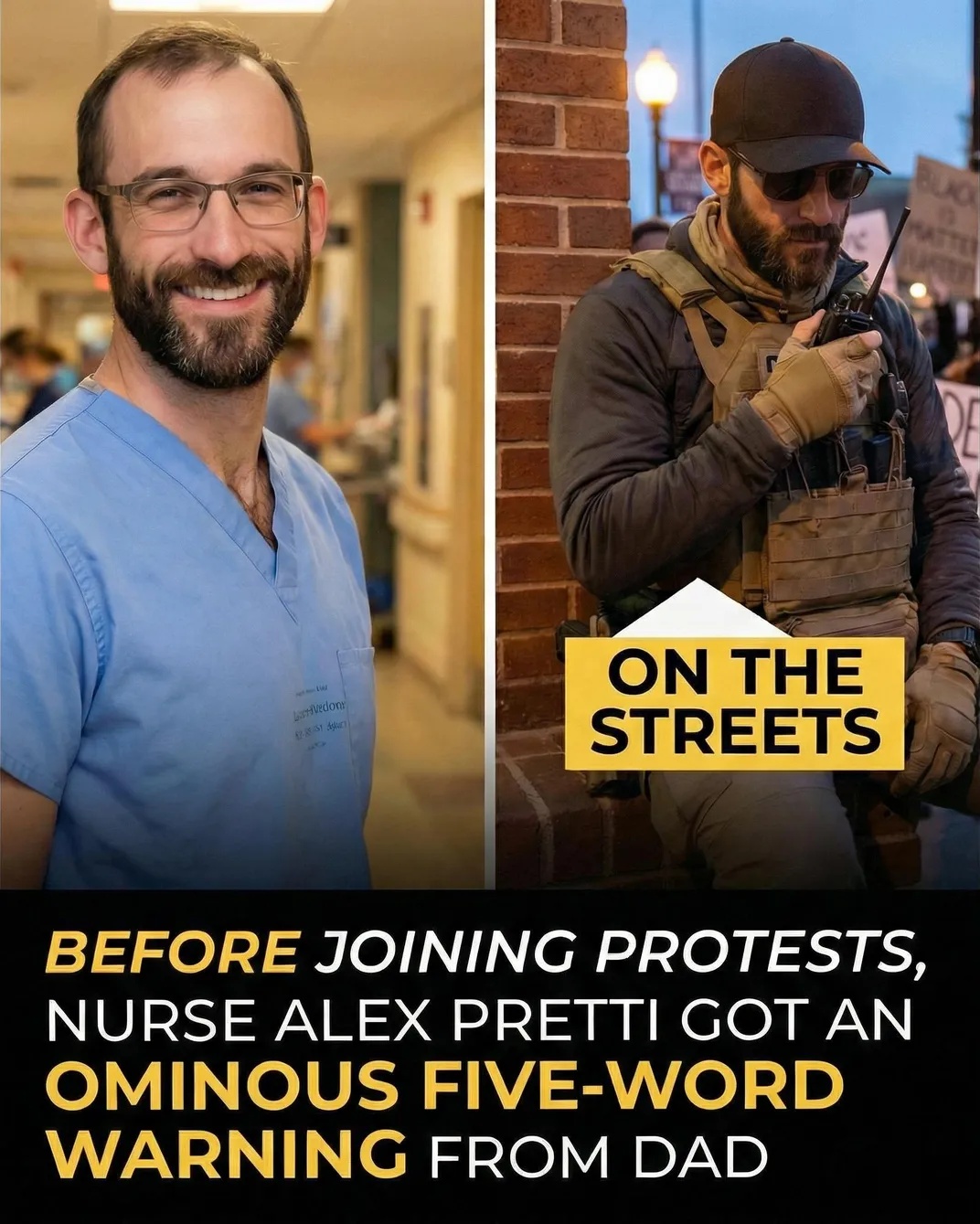
Political Leaders Respond After Minneapolis ICU Nurse Alex Pretti Is Fatally Shot During Federal Immigration Enforcement Operation!

Political leaders and community members across Minnesota and beyond are responding to the fatal shooting of Alex Jeffrey Pretti, a 37-year-old intensive care nurse who was killed during a federal immigration enforcement operation in Minneapolis in late January 2026. The incident has intensified scrutiny of federal enforcement tactics, the use of force during public operations, and the transparency of investigations that follow deadly encounters.

According to federal officials, the shooting occurred during a targeted immigration enforcement action on a snowy residential street in Minneapolis. Officers with federal immigration authorities were attempting to detain individuals when a confrontation developed involving Pretti. Multiple bystanders recorded video of the incident, footage that has since circulated widely on social media and news platforms. The videos show a chaotic scene marked by raised voices, whistles from onlookers, and officers pushing members of the crowd back as they attempted to secure the area.

In the recordings, Pretti can be seen standing near the officers while holding what appears to be a phone. He is surrounded by agents, and the situation appears tense but unresolved. Moments later, a single gunshot is heard. The footage does not clearly show the officer firing a weapon or what immediately preceded the discharge. The video ends with Pretti lying motionless on the pavement as officers step away and bystanders react in shock. Emergency medical services later transported him to a nearby hospital, where he was pronounced dead.

Federal authorities have confirmed that the incident is under active investigation and that multiple forms of evidence are being reviewed, including body-camera footage, bystander videos, and forensic findings. Officials have stated that the encounter escalated rapidly and that the use of force occurred in response to what they described as a perceived threat. They have urged the public to withhold judgment until the investigation is complete.

Pretti was identified by his family the following day. He was a U.S. citizen and a registered nurse working in the intensive care unit at the Minneapolis Veterans Affairs Medical Center, where colleagues described him as highly skilled, compassionate, and deeply committed to patient care. Nurses and physicians who worked alongside him said he was known for his steady demeanor in high-pressure situations and for treating patients—many of them military veterans—with dignity and patience.

Hospital staff said Pretti often volunteered for difficult shifts and was quick to help coworkers when units were understaffed. Several colleagues described him as the kind of nurse who stayed late to make sure patients were comfortable and families understood what was happening. State nursing records confirmed that his license was active and in good standing, and public court records showed no criminal history beyond routine traffic violations.

Pretti’s family painted a picture of a man deeply engaged with the world around him. They said he cared strongly about environmental protection, human rights, and social justice, and believed that civic engagement was a responsibility rather than a hobby. He enjoyed spending time outdoors, hiking and biking with his dog, and found balance in nature after demanding hospital shifts. In recent years, relatives said, he had become more vocal about his concerns regarding federal immigration enforcement and broader social policies, which led him to attend peaceful demonstrations and community gatherings.

Family members emphasized that Pretti believed firmly in nonviolence. While acknowledging that he legally owned a firearm, they stated they had never known him to carry it during protests or public demonstrations. They dispute federal claims that he was armed at the time of the encounter, noting that none of the publicly available videos show a weapon in his hands. This disagreement has become a central point of tension between authorities and the family as the investigation continues.

The shooting has prompted swift reactions from elected officials at the city, state, and national levels. Minneapolis city leaders released statements expressing condolences to Pretti’s family and calling for a thorough, independent investigation. Several members of the Minnesota legislature echoed those sentiments, emphasizing the need for transparency and accountability whenever a civilian is killed during a law enforcement operation. Some lawmakers have renewed calls for clearer guidelines governing federal enforcement actions conducted in residential neighborhoods.

Nationally, the incident has been cited by critics of current immigration enforcement practices as evidence of the risks posed by heavily armed operations carried out in public spaces. Advocacy groups have organized vigils and rallies in Pretti’s memory, arguing that the circumstances surrounding his death reflect broader systemic problems. Supporters of federal enforcement agencies, meanwhile, have urged patience, stressing that officers often make split-second decisions in unpredictable situations.

Community response in Minneapolis has been intense and emotional. Memorials of candles, flowers, and handwritten notes have appeared near the site of the shooting and outside the VA hospital where Pretti worked. Coworkers have held informal gatherings to honor his life, sharing stories about his kindness and professionalism. For many residents, the incident has reopened wounds from previous fatal encounters involving federal authorities in the city, reinforcing a sense of unease and mistrust.

The death of Pretti also follows closely on the heels of another fatal incident during a federal operation in Minneapolis earlier this year, heightening public concern about patterns rather than isolated events. Local leaders have acknowledged that the timing has amplified community anxiety and have called on federal agencies to engage more directly with residents as investigations proceed.

Federal officials have stated that once evidence review is complete, their findings will be made public. They have not provided a timeline, citing the complexity of the case and the need to ensure accuracy. In the meantime, the officer involved has reportedly been placed on administrative leave, a standard procedure in shootings pending the outcome of an investigation.

As the city waits for answers, Pretti’s family has asked that he be remembered not for the manner of his death, but for the life he lived. They describe a man who dedicated his career to saving others, who believed in fairness and compassion, and who sought to make his community better through both his work and his voice. For his colleagues, friends, and patients, his loss leaves a void that statistics and official statements cannot fill.

The investigation continues, and with it, a broader national conversation about law enforcement, immigration policy, and the balance between public safety and civil rights. Until clear findings are released, Minneapolis remains suspended between grief and uncertainty, grappling with questions that extend far beyond a single, tragic night.

Plus-Size Is Now the Norm! American Women Are Big and Beautiful

Social media has quietly rewritten the rules of beauty in America, not through a single movement or authority, but through millions of individual acts of visibility. Platforms once dismissed as superficial now function as cultural mirrors, reflecting bodies, styles, and identities that were historically excluded from mainstream representation. In that reflection, one truth has become increasingly clear: plus-size bodies are no longer an exception or a niche. They are common, visible, and increasingly accepted as part of what beauty looks like in everyday American life.

For decades, beauty standards were handed down from the top. Fashion magazines, runway shows, film studios, and advertising agencies dictated what was considered desirable, often presenting a narrow and unrealistic ideal. Women were encouraged—sometimes explicitly pressured—to mold themselves to these standards, regardless of whether they were healthy, attainable, or aligned with their natural bodies. Deviation was framed as failure. Social media disrupted that hierarchy by removing the gatekeepers.

On platforms like Instagram, TikTok, YouTube, and Pinterest, anyone can be seen. A woman does not need a modeling contract or a magazine cover to be visible. She needs a phone, an internet connection, and the confidence to exist publicly. This shift has allowed bodies of all sizes, ages, and backgrounds to enter the conversation, not as exceptions, but as participants shaping the narrative themselves.

Beauty standards have always evolved, but rarely inclusively. In the 1950s, figures like Marilyn Monroe and Jayne Mansfield symbolized glamour through curves and softness. Their images celebrated fullness, but even then, beauty was still tightly controlled and idealized. By the 1990s and early 2000s, the pendulum swung sharply in the opposite direction. Ultra-thin bodies dominated fashion and media, embodied by supermodels such as Kate Moss and Naomi Campbell. Thinness became synonymous with discipline, success, and desirability, often at the expense of physical and mental health.

Across these eras, the message remained consistent: there was a right way to look, and most women did not fit it. The consequences were not abstract. They showed up in eating disorders, chronic dissatisfaction, and a culture of comparison that punished bodies for existing outside a narrow frame.

Social media fractured that system by normalizing variety. Users now encounter plus-size fashion influencers, fitness creators with diverse builds, non-binary and disabled creators, and everyday women sharing unfiltered versions of their lives. This visibility matters. Seeing bodies that resemble one’s own reduces shame and challenges the assumption that beauty must look one specific way. Difference becomes familiar, and familiarity breeds acceptance.

As representation has expanded, so has the definition of what is “average.” Research reflects this shift. A study published in the International Journal of Fashion Design, Technology and Education found that the average American woman now wears between a misses size 16 and 18, roughly equivalent to a plus-size 20W. Waist measurements have also increased, with the average rising from 34.9 inches to 37.5 inches over the past two decades. These figures are not anomalies; they represent the statistical reality of women in the United States.

Susan Dunn, a lead researcher on the study, explained that understanding where the average truly lies can significantly improve self-image. She noted that when women realize they are not outliers but the norm, it can ease years of internalized pressure. Dunn also emphasized that the fashion industry must adapt, arguing that women of average size deserve clothing that fits properly and is available with the same accessibility and style as smaller sizes, rather than being hidden online or relegated to the margins of physical stores.

The reasons behind increasing average body size are complex and interconnected. Data from the Centers for Disease Control and Prevention shows that the average American woman now weighs about 170.6 pounds, compared to roughly 140 pounds in the 1960s. Lifestyle changes play a major role. Many jobs involve prolonged sitting, while processed foods and sugary beverages are more accessible and aggressively marketed than ever before. Time constraints, economic pressures, and urban design also limit opportunities for daily physical activity.

Cultural shifts matter as well. As society becomes more accepting of diverse body types, the social pressure to maintain extreme thinness has eased for many women. This reduction in stigma can be psychologically healthy, allowing people to focus less on punishment and more on sustainability in their habits. Genetics and environment further complicate the picture. Body composition, metabolism, stress, access to healthcare, and food availability all intersect in ways that influence weight trends across populations.

However, body acceptance does not erase health considerations. According to the World Health Organization, global obesity rates have more than doubled since 1990. Medical institutions such as the Mayo Clinic emphasize that obesity can increase the risk of serious conditions, including heart disease, type 2 diabetes, hypertension, sleep apnea, liver disease, and certain cancers. These realities underscore the importance of separating appearance from health. A larger body is not inherently unhealthy, but dismissing health conversations entirely does a disservice to individuals and communities.

This is where social media’s influence becomes nuanced. At its best, it promotes self-acceptance without denial, encouraging people to respect their bodies while making informed choices. At its worst, it can blur the line between acceptance and avoidance. The healthiest spaces tend to be those that emphasize strength, mobility, mental health, and sustainability rather than aesthetics alone.

Used thoughtfully, social media offers something previous generations lacked: choice. Users can curate what they see. By following creators who prioritize authenticity, balance, and well-being, people can step away from unrealistic ideals and build healthier relationships with their bodies. Campaigns centered on body positivity, mental health awareness, and realistic portrayals of aging and change have already shifted collective expectations.

The future of beauty standards is unlikely to settle into another rigid mold. Instead, it appears to be moving toward plurality. Beauty is becoming less about conformity and more about presence—how someone inhabits their body, how they express themselves, and how they care for their physical and mental health over time.

Plus-size bodies are not a trend. They are a visible reflection of real women living real lives. Social media did not create that reality; it simply stopped hiding it. As representation continues to broaden, the definition of beauty becomes less about exclusion and more about recognition. In that shift lies a quieter, more durable kind of confidence—one rooted not in comparison, but in acceptance of the full spectrum of what human bodies can be.