My four-year-old daughter packed her suitcase this evening and announced that she was leaving home! I was shocked when I found out the reason!

The sun was just beginning to dip below the horizon, casting long, amber shadows across the driveway, when I pulled into the yard after a grueling day at the office. Usually, my homecoming is greeted by the muffled sounds of domestic life—the television humming or the distant clatter of dinner preparations. But this evening, the scene awaiting me on the front porch was so unexpected that I froze with my keys still half-turned in the lock.

There, standing with the rigid posture of a sentinel, was my four-year-old daughter, Lily. She was fully geared for a grand expedition. She had her bright pink backpack cinched tight over her shoulders, and gripped firmly in her right hand was the small, glittery rolling suitcase we had bought for our summer trips to the coast. Her face was a dramatic tableau of misery: her cheeks were flushed, her nose was a dusty rose color, and her eyes were shiny and rimmed with red. It was clear she had recently weathered a significant emotional storm.

My heart hammered against my ribs. In the split second before logic took over, a thousand terrifying possibilities flashed through my mind. Had she been hurt? Had some catastrophe occurred while I was away? I immediately dropped my briefcase and crouched down to her level, searching her face for a sign of what had gone wrong.

“Sweetheart, what on earth is happening?” I asked, my voice laced with genuine concern. “Why are you standing out here on the porch? And why in the world do you have your suitcase packed?”

Lily took a deep, shuddering breath, a sound so heavy it seemed to vibrate through her small frame. She looked at me with an expression of profound, weary gravity, as if she were a weary traveler about to deliver news of a kingdom’s fall.

“Daddy,” she said, her voice trembling but resolute. “I am leaving. I am leaving this house forever.”

The sheer conviction in her tone sent a chill through me. “You’re leaving? Lily, where could you possibly go? Did something happen? Tell me everything.”

She scowled, her lower lip beginning to quiver in that way that usually precedes a total meltdown. She adjusted the strap of her backpack with a defiant tug. “I just can’t live here anymore!” she declared. Her delivery was so theatrical, so steeped in the language of a high-stakes soap opera, that I began to suspect she had been practicing this speech in front of her bedroom mirror for the better part of an hour.

I tried to keep my voice steady, though my mind was still racing to find the source of her distress. “Honey, you have to explain this properly. I need to understand why you feel like you can’t stay with us.”

And then, she leveled the accusation that completely floored me. She leaned in slightly, as if sharing a dangerous secret. “I can’t live with your wife anymore, Daddy. She is too much.”

I blinked, the gears of my brain grinding to a momentary halt as I processed the phrasing. “My… wife? Lily, do you mean your mother?”

“Yes!” she shouted, her indignation flaring up like a struck match. “Her! I don’t love her anymore. Not even a little bit.”

I had to bite the inside of my cheek. The transition from “Mommy” to “Your Wife” was a masterstroke of four-year-old psychological warfare. It was a verbal eviction, a way of distancing herself from the woman who, until about three o’clock that afternoon, had likely been her favorite person in the world.

“Okay,” I said, adopting a tone of solemn diplomatic inquiry. “That’s a very big statement. What exactly did Mom do to earn such a title?”

Lily threw her hands up in the air, the backpack shifting precariously on her shoulders. She looked at me as if I were being willfully dense. “She’s a monster, Daddy! A real, live, scary monster! She is being so mean to me.”

“A monster?” I repeated, struggling to maintain a straight face. “In what way?”

“She won’t let me watch the cartoons with the talking dogs,” Lily began, ticking off the grievances on her tiny fingers. “And she said ‘no’ to chocolate even though I asked three times. And then—and this is the worst part—she made me put my blocks away. In the box! All of them!”

I turned my head toward the garden, staring intensely at a hydrangea bush to keep the erupting laughter from escaping. It was the classic preschooler’s manifesto: the tyranny of nutrition, the oppression of educational limits, and the absolute cruelty of basic tidiness.

“I see,” I said, finally regaining enough composure to look back at her. “That does sound like a very difficult set of rules to live under. So, let’s suppose you do leave. Where is a sophisticated traveler such as yourself planning to reside?”

Lily lifted her chin, her eyes flashing with a sense of impending triumph. “I am going to live far away from your wife! I am going to live at Grandma’s house!”

“Ah, Grandma’s. An interesting choice,” I mused. “And why there?”

“Because!” Lily announced, her voice filled with the pride of a champion. “Grandma understands me. She lets me watch all the cartoons, even the loud ones. And she always has chocolate in the little glass jar on the table. She doesn’t make me clean anything! At Grandma’s house, I am the boss.”

At that point, the dam broke. I couldn’t hold it in any longer and let out a short, barked laugh before quickly pulling her into a tight hug. She felt so small and solid in my arms, her pink backpack pressing against my chest. I kissed the top of her head, which smelled faintly of strawberry shampoo and righteous fury.

“My little princess,” I whispered into her hair. “Listen to me. I think I understand the situation now. How about we go back inside together? I will have a very serious talk with this ‘monster’ of ours and see if we can reach an agreement.”

She pulled back slightly, her shiny eyes looking up at me with a flicker of hope. “Will you really talk to her, Daddy? Will you tell her I need chocolate?”

“I will definitely discuss the chocolate situation,” I promised, though I knew exactly how that conversation would go once I made eye contact with my wife in the kitchen. “But first, we have a very important task. We have to unpack this suitcase. A world-class traveler can’t just leave her gear sitting in the hallway, right?”

Lily considered this for a moment, weighing her desire for Grandma’s chocolate against the allure of having an ally in the house. Finally, she gave a slow, dignified nod. She grabbed the handle of her rolling suitcase and, with the weary but triumphant expression of a hero returning from a long journey, she marched back through the front door.

I followed her inside, watching the glitter on her suitcase catch the light. I knew that within twenty minutes, she would be curled up on the lap of the “monster,” probably sharing a piece of fruit and forgetting all about her grand escape. But for that one moment on the porch, she had been a revolutionary, a tiny woman standing up against the injustices of room-cleaning and vegetable-eating, reminding me that in the world of a four-year-old, the line between tragedy and comedy is as thin as a single chocolate bar.

When he went to the bank, the teller handed him a note that ruined his life!

I didn’t leave amid shouting or broken plates. There was no explosive argument, no letter left behind to explain myself. I simply vanished from a life that had learned to treat me like furniture—useful, quiet, and taken for granted. Drama needs an audience, and for years I’d been performing for people who stopped noticing me a long time ago.

To understand why I left, you have to understand the water.

It happened two weeks before I walked away. August 14th. The Illinois heat was suffocating—thick, damp, pressing down like a weight you couldn’t escape. My grandson Evan, twenty-one and permanently “between majors,” decided to invite friends over to use the boat.

“Grandma,” he said without looking up from his phone, “the boat seats are disgusting. Can you wipe them down? The guys are coming.”

It wasn’t a request. It never was. My arthritis was flaring badly that day, joints swollen from the humidity, but pain didn’t factor into my role in that house. I was maintenance.

I carried a bucket down to the dock. The boards were slick with algae. I’d asked my son Richard—three times that month—to clean them.

“I’ll do it later,” he’d said every time, pouring another drink. “Stop nagging.”

The moment my foot hit the dock, it slid. The world tilted, then disappeared. I landed hard, pain tearing through my hip, and rolled straight into the lake.

The cold stole my breath instantly. Water rushed into my nose and mouth. My cardigan soaked through, pulling me down. I flailed, panic clawing through me, fighting to reach the surface.

Evan was there. Two of his friends beside him. Red cups in their hands.

I waited for alarm. For shouting. For someone to jump in.

Instead, they laughed.

“Man,” one of them said, pointing, “your grandma just did a backflip.”

Evan laughed too. Took a sip. “She’s always dramatic. You okay, Grandma? Or are you treasure hunting?”

I was barely staying afloat, limbs heavy, heart pounding. I looked at him—the child I’d helped raise, the boy whose tuition I’d paid—and realized something with absolute clarity.

He wasn’t worried.

He was amused.

They stood there long enough for the cold to sink deep into my bones. Finally, Evan sighed, annoyed, and walked down the steps. He didn’t get wet. He hauled me out like an inconvenience.

“Go change,” he muttered. “And don’t tell Dad. He’ll just complain about the dock again.”

I stood there shaking, soaked through.

“Okay,” I said.

He turned back to his friends. “Let’s get the boat ready.”

That’s where the woman they thought they knew stayed behind—in that lake. The obedient one. The fixer. The one who never complained.

The person who climbed out was someone else.

For the next two weeks, I watched them quietly, like a researcher observing behavior. Richard complained endlessly—about work, money, traffic—then retreated to his study for increasingly tense phone calls. Sarah spoke nonstop about wellness while leaving every mess for me. Evan never mentioned the lake. He asked for cash. Laundry. Favors.

They were comfortable. Of course they were. They lived in a house I helped buy. Drove cars in my name. Ate food paid for with my pension.

What they never thought about was the Hale Family Trust.

My husband Robert had many faults, but carelessness wasn’t one of them. When he died, nearly everything went into a trust. Richard assumed it would someday be his. He never read the documents.

Robert made me the sole discretionary trustee.

Nothing was automatic. Every dollar required my approval.

On a Tuesday, with the house empty, I opened the study safe. Richard had set the combination as his birthday. I removed the trust papers, my passport, my birth certificate, my mother’s pearl earrings. I took what belonged to me.

I packed one suitcase—clothes I actually liked, shoes that held steady, sweaters chosen for comfort, not invisibility.

Wednesday morning, I went to a downtown bank, not the branch that knew my son.

The manager hesitated. “This withdrawal will empty the linked accounts.”

“I understand,” I said.

“Are you certain?”

I thought of the lake. The laughter.

“Yes.”

Forty-five minutes later, the transfer was complete. The entire trust—moved into an account under my maiden name.

I left the bank feeling lighter than I had in years.

I drove to the airport. Parked the Lexus. Left the keys inside. Tossed my SIM card into a trash bin. Boarded a flight west.

I rented a small cottage on the California coast. It smelled of salt and cedar. The ocean was loud and alive—nothing like that stagnant lake.

For three days, I slept.

On the fourth, I turned on a prepaid phone and checked the voicemail I’d forwarded my old number to.

The messages came in stages.

Confusion.
Fear.
Anger.

Cards declined.
Tuition unpaid.
Accounts frozen.

Then accusations.

You’re unstable.
This is because you fell in the lake, isn’t it?
I reported you missing.

That one made me smile.

I called the police back home, calmly explained I was safe, gave them my attorney’s number, and asked them to note the false report.

Then I turned the phone off.

The silence that followed wasn’t empty. It was full—of their panic, their scrambling, their sudden realization of everything I’d been holding together.

And for the first time in years, I wasn’t sinking.

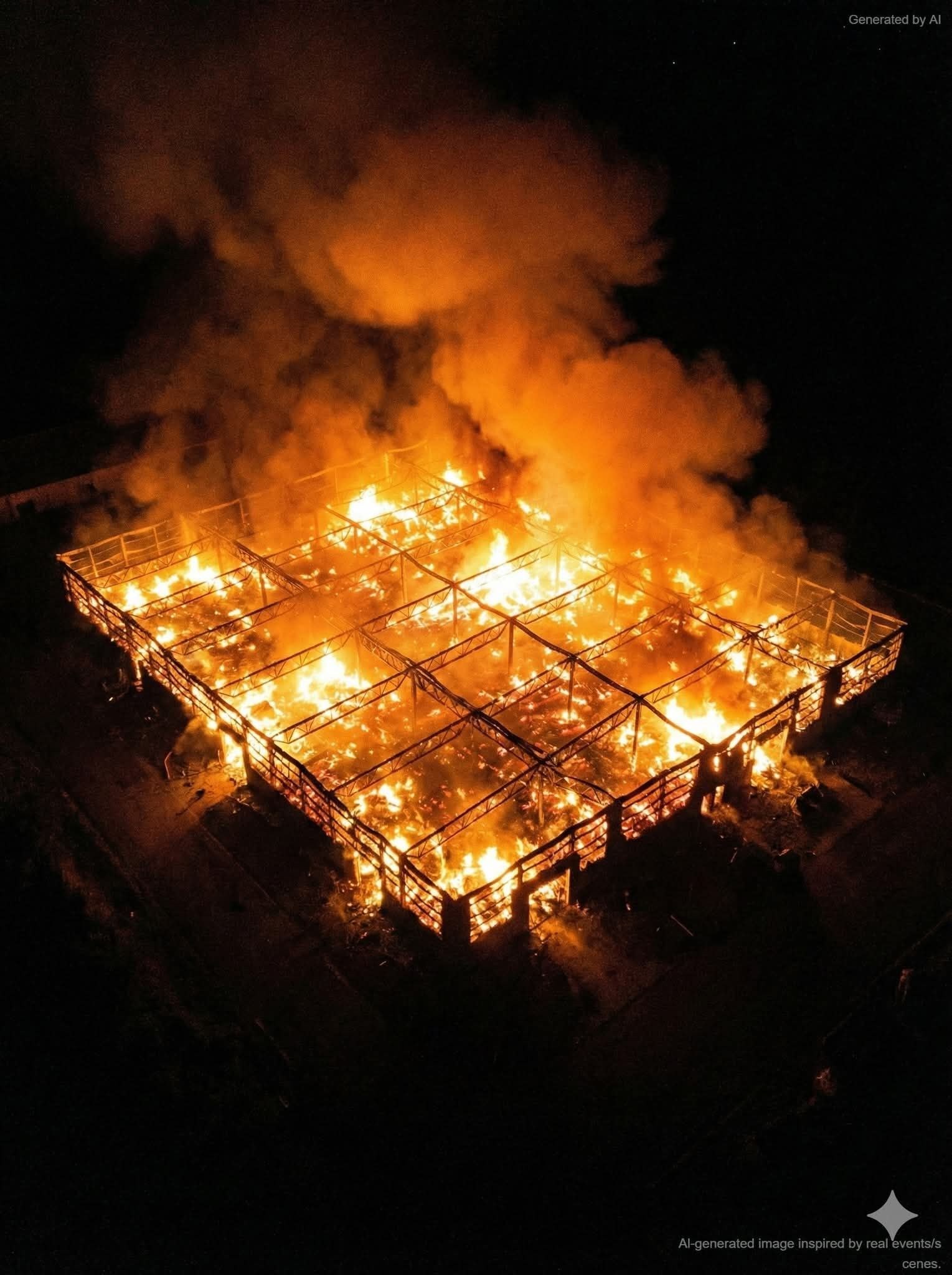
BREAKING! At least 300 homes estimated damaged or destroyed after large fire! See now

At least 300 homes are believed to have been damaged or completely destroyed after a massive wildfire tore through the region, reducing entire neighborhoods to ash and twisted debris. What began as a rapidly spreading blaze quickly escalated into a large-scale disaster, as powerful winds and extremely dry conditions fueled the flames and pushed them forward at frightening speed. Within hours, communities that had existed for generations were overwhelmed, forcing residents to flee with little more than the clothes on their backs.

Emergency crews battled the fire through the night, facing towering flames, intense heat, and thick smoke that severely limited visibility. Firefighters described the conditions as some of the most dangerous they had encountered in years. Wind-driven embers raced far ahead of the main fire, igniting new blazes faster than crews could contain them. In several locations, flames jumped across roads and open areas, making traditional firebreaks useless and trapping neighborhoods within minutes.

Residents recounted harrowing scenes as the fire advanced. Many watched helplessly as walls of flame moved from house to house, consuming roofs, vehicles, and trees in seconds. Sirens echoed constantly as police and fire units went door to door, urging people to evacuate immediately. Families had only moments to gather pets, important documents, or cherished belongings before abandoning their homes. For some, there was no time to take anything at all.

Shelters were quickly set up in nearby towns to house the growing number of displaced residents. Community centers, schools, and churches opened their doors as volunteers worked nonstop to provide food, clothing, and basic necessities. Donations poured in from surrounding areas, with neighbors stepping up to help neighbors in a powerful show of solidarity. Despite shock and exhaustion, evacuees waited patiently, sharing stories and checking on one another, united by the shared trauma of sudden loss.

Fire officials confirmed that dozens of ground crews were deployed alongside aerial resources, including helicopters and water-dropping aircraft. However, shifting winds and extreme fire behavior made containment exceptionally difficult. Some firefighters suffered minor injuries, mainly from heat exposure and smoke inhalation, though authorities confirmed that no fatalities had been reported at the time of the latest update. Officials emphasized that the situation remained unstable, with crews continuing to monitor hotspots and flare-ups that could reignite as conditions change.

Investigators have begun working to determine the cause of the fire, though officials cautioned that reaching definitive conclusions may take time. In the meantime, residents have been urged to remain cautious, follow evacuation orders, and avoid restricted areas. Power outages and road closures remain widespread, complicating emergency response efforts and the early stages of recovery. Utility crews are assessing damage to infrastructure, while law enforcement maintains checkpoints to protect public safety.

As daylight arrived, the true scale of the destruction became painfully clear. Entire streets were left unrecognizable, lined with charred foundations, melted metal, and the skeletal remains of once-familiar homes. The smell of smoke lingered heavily in the air as residents cautiously returned, many bracing themselves for what they feared they would find. For countless families, the loss extended far beyond property. Photographs, heirlooms, and irreplaceable memories were gone, lost in just a few devastating hours.

Local and state leaders toured the affected areas, calling the situation a major disaster that will require long-term recovery and significant resources. Emergency declarations were issued to unlock funding and assistance for those impacted, and officials pledged continued support for rebuilding efforts. Housing assistance, financial aid, and mental health services are expected to be critical parts of the recovery process, especially for residents who lost everything.

Fire experts warned that disasters like this are becoming increasingly common, as prolonged dry periods, rising temperatures, and extreme weather patterns create ideal conditions for fast-moving wildfires. They stressed the importance of preparedness, early evacuation, and community awareness in reducing risk and saving lives. While the structural losses are devastating, officials noted that the swift response and public compliance with evacuation orders likely prevented a far greater loss of life.

Amid the devastation, stories of resilience have begun to emerge. Neighbors who barely knew one another before the fire are now sharing meals, offering spare rooms, and helping sift through debris. Volunteers have organized cleanup efforts, while local businesses donate supplies and services to those in need. In the face of overwhelming loss, a strong sense of community has taken root, proving that while homes can be destroyed, human bonds endure.

Recovery will be long and difficult. Rebuilding neighborhoods, restoring infrastructure, and helping families heal will take months, if not years. Yet even as residents confront the reality of starting over, there is a shared determination to move forward together. The fire may have scarred the landscape, but it has also revealed a deep well of strength, compassion, and unity that will shape the community’s path ahead.

Most People Still Don’t Know What “WC” in Restrooms Actually Stands For

If you’ve ever traveled internationally, explored airports, train stations, or even just stepped into a public restroom somewhere in Europe or Asia, you’ve probably noticed a simple, unassuming sign that reads “WC.” It’s one of those things we see so often that we barely think twice about it. But have you ever paused to ask yourself: what does it actually mean? And more curiously, why doesn’t everyone just use the words “toilet,” “bathroom,” or “restroom” like in the United States? The answer, as it turns out, is surprisingly historical—and has a touch of old-world charm.

What “WC” Really Means

The abbreviation “WC” stands for Water Closet.

Yes, you read that right: “closet.” And it’s not a mistake or a weird quirk of language—it actually makes perfect sense when you dive into the history. The term dates back to the 19th century, around the time when indoor plumbing started becoming a novelty in Europe, particularly in the United Kingdom. Back then, toilets were installed in small, private rooms that often resembled tiny closets. These were not just functional spaces—they were designed to be discreet and somewhat elegant. So, a “Water Closet” literally referred to a small, enclosed room (a closet) that contained a water-flushing toilet. Simple, descriptive, and polite, especially for the Victorian sensibilities of the era.

A Historical Peek

In the 1800s, running water inside the home was still considered a luxurious feature. Flush toilets themselves were a relatively new invention, and they were often tucked away from the main living spaces. Bathrooms as we know them today—complete with sinks, showers, and tiles—did not exist yet. So the “Water Closet” became the preferred, upper-class way of referring to these small, functional rooms. It was a term that suggested both utility and refinement, a sort of euphemism for a place people needed but didn’t want to discuss openly.

Over the years, the abbreviation “WC” started appearing everywhere: on architectural blueprints, hotel signs, railway stations, and public buildings. And though language and culture evolved, the term stuck—especially across Europe and parts of Asia. Even today, countries like Germany, France, Italy, and Japan continue to use “WC” on restroom signs, often alongside local language terms.

Why “WC” Remains Today

So, why hasn’t this seemingly old-fashioned abbreviation faded into obscurity? The answer lies in universality.

While words like “bathroom,” “restroom,” or “toilet” vary widely depending on the country and language, “WC” has become an international symbol. Tourists, travelers, and locals alike instantly recognize it as a place to relieve themselves, no matter what language they speak. In some cultures, it’s also considered more polite or discreet. For instance, in parts of Europe, saying “toilet” out loud can feel too blunt or direct. “WC” offers a courteous, neutral alternative that carries the elegance of history while serving a practical purpose.

Fun Examples Around the World

Depending on where you are, the term might change—or be accompanied by a local variation:

United Kingdom: “Loo” or “WC”

United States: “Restroom” or “Bathroom”

France: “Toilettes”

Germany: “WC” or “Toilette”

Italy: “Bagno”

Japan: “Toire” (トイレ, borrowed from English “toilet”)

No matter which name or symbol is used, the goal is universal: helping people find that small, essential room when nature calls, without confusion.

The Modern Twist

Interestingly, the influence of “WC” has even carried over into contemporary architecture and design. Many modern building plans, technical drawings, and floor layouts still use the term “WC” to label bathrooms, showing how deeply entrenched the term has become. It’s a reminder that some words, no matter how old, persist because they work. And for travelers, spotting a “WC” sign is now second nature—an unspoken, cross-cultural code that quietly unites history, practicality, and etiquette.

In Short:

WC = Water Closet

Originated in 19th-century England

Referred to early indoor toilets in small private rooms

Became a polite, upper-class euphemism

Still used globally as a universal symbol for restrooms

A Final Thought

It’s funny how something as simple as two letters can carry over a hundred years of history and social etiquette. The next time you travel and see a sign marked “WC,” remember: it’s more than just a bathroom—it’s a tiny, historical nod to the past, a symbol of courtesy, and a reminder of how human needs shaped language and culture. So go ahead, walk through that little door with confidence, knowing you’re stepping into a tradition that dates back to the Victorian era, complete with running water, privacy, and a story behind every flush.

 Next time someone asks what “WC” stands for, you can smile and say: “It’s short for Water Closet—and it’s been keeping Europeans polite and functional since the 1800s!”

Blackened Hand Shows Dangers of Untreated Infections!

What began as a minor irritation—a small sting, a scratch, or a barely noticeable wound—can, in rare but devastating cases, spiral into a life-threatening medical crisis. Recent images circulating online of a severely swollen, darkened hand have drawn urgent attention to the dangers of untreated infections and the speed at which they can overwhelm the body when early warning signs are ignored.

Health professionals say the case serves as a sobering reminder that the skin, while resilient, is also a gateway. Once bacteria or toxins breach that barrier, the consequences can escalate rapidly. What many people dismiss as a harmless insect bite or mild skin irritation may, under the wrong conditions, become a medical emergency within hours or days.

Doctors reviewing the images have noted that the extreme discoloration and swelling are consistent with a rapidly spreading infection. While the exact cause has not been officially confirmed, several serious possibilities are being considered. One is a venomous spider bite, such as from a brown recluse, which can cause tissue destruction around the bite site. Another is a severe bacterial infection that entered through a small cut or puncture wound. Exposure to contaminated water, unsanitary conditions, or surfaces carrying aggressive bacteria is also a known risk factor. In some cases, an underlying condition that weakens the immune system—such as diabetes, autoimmune disorders, or certain medications—can make even minor injuries far more dangerous.

One of the most alarming conditions doctors associate with these symptoms is necrotizing fasciitis, often referred to as a “flesh-eating” infection. Though rare, this illness is notorious for its speed and severity. It spreads along connective tissue, destroying skin, fat, and muscle as it advances. Without immediate treatment, it can lead to sepsis, organ failure, and death. Even with aggressive care, patients may require extensive surgery, including the removal of infected tissue or, in extreme cases, amputation to save their life.

The danger lies not only in the infection itself, but in how deceptively it can begin. Many patients report that the initial injury seemed insignificant. A small bite, a nick from gardening, a blister from new shoes—none of it felt alarming at first. Pain may be mild or absent in the early stages, giving a false sense of security. By the time severe symptoms appear, the infection may already be advancing quickly.

Medical experts emphasize that early recognition is the single most important factor in preventing catastrophic outcomes. Rapid swelling around a wound or bite is one of the earliest red flags. Changes in skin color—especially deep redness, purplish tones, or blackened areas—are particularly concerning. Intense pain that seems disproportionate to the size of the injury is another warning sign doctors take seriously. In some cases, the pain may suddenly worsen or spread beyond the original site.

Other symptoms that demand immediate attention include blistering, oozing fluid, or pus, as well as systemic signs such as fever, chills, dizziness, confusion, or a rapid heart rate. These symptoms may indicate that the infection is entering the bloodstream, a condition known as sepsis, which can progress rapidly and requires emergency treatment.

Health professionals stress that waiting it out or attempting to self-treat severe symptoms can be extremely dangerous. Home remedies, over-the-counter creams, or the hope that symptoms will resolve on their own can allow the infection to gain ground. When swelling or discoloration spreads, or when fever and confusion appear, emergency medical services should be contacted without delay.

Preventing serious skin infections often begins with simple, everyday precautions. Using protective gloves while gardening, cleaning, or working outdoors can reduce exposure to bacteria and insects. Even small cuts and scrapes should be cleaned promptly with soap and water, then kept dry and covered until healed. Insect bites should be left alone as much as possible; scratching can break the skin and create an entry point for bacteria.

Regularly monitoring wounds, especially in the first few days after an injury, is critical. Redness that continues to expand, increasing warmth, or swelling that does not subside should prompt a medical evaluation. People with chronic health conditions or weakened immune systems should be particularly cautious, as their bodies may not fight infections as effectively.v

Doctors also caution against underestimating pain. Severe or worsening pain is not something to ignore, even if the wound appears small. In aggressive infections, pain often appears before visible skin damage, making it an important early clue that something is wrong beneath the surface.

The case has sparked renewed discussion about public awareness and the tendency to downplay symptoms. In a culture that often encourages people to “push through” discomfort or avoid medical visits unless absolutely necessary, serious infections can slip under the radar until they become critical. Healthcare professionals argue that seeking care early is not an overreaction—it is a protective measure that can prevent far more invasive treatments later.

Treatment for severe skin infections typically involves a combination of intravenous antibiotics, close monitoring, and, when necessary, surgery to remove infected tissue. Early intervention dramatically improves outcomes, often making the difference between a short hospital stay and life-altering complications.

Beyond the individual case, the broader lesson is clear: the body gives warnings, and those warnings deserve attention. Skin changes are not merely cosmetic; they are often the first visible signs of deeper processes unfolding beneath the surface. Discoloration, swelling, and pain are messages, not inconveniences.

Raising awareness about these risks can save lives. Sharing accurate information helps others recognize danger sooner and seek help before irreversible damage occurs. Infections do not wait, and neither should those who notice something is wrong.

What looks small today can become overwhelming tomorrow. Acting quickly, trusting medical advice, and respecting the seriousness of sudden changes in the body are essential steps in protecting long-term health. Early care does not just reduce suffering—it can preserve function, prevent disability, and, in many cases, save a life.

My Neighbor Iced My Car Because It Spoiled the View from His House – So I Brought Him a Surprise He Will Never Forget

In neighborhoods like mine, appearances are not just valued; they are weaponized. We live in one of those catalog-perfect suburbs where the hedges are trimmed to uniform heights and the mailboxes look like they were installed yesterday. It is a place of forced smiles and “neighborly” waves that never quite reach the eyes. For years, my wife Lena, our five-year-old son Rowan, and I existed in a state of quiet, suburban peace. We aren’t wealthy; we are “fine if nothing breaks.” I work in tech support, mostly from a home office, which gives me plenty of time to observe the peculiar ecosystem of our street.

Specifically, it gave me time to observe Vernon.

Vernon lives directly across from us in a house that resembles a high-end showroom. He is in his mid-fifties, possessed of salt-and-pepper hair cut with surgical precision, and has a penchant for wearing sunglasses indoors. His crown jewel is a vintage navy-blue convertible that is meticulously maintained. Vernon is the kind of man who assumes that because his driveway is pristine, his opinions on everyone else’s property carry the weight of law. To Vernon, my 2009 Honda Civic—a reliable, paid-off “beater”—was a personal insult to his panoramic view.

The first time we spoke, there was no “hello.” He simply adjusted his Ray-Bans, pointed at my car, and asked if that was what I actually drove daily. When I told him it was, he walked away with a look of profound disgust. From that day on, he became our self-appointed shadow. He complained to the Homeowners Association (HOA) about our porch lights being too bright. He knocked on our door to tell me my grass was exactly one inch too long (I checked; he was lying). I took it all in stride, nodding and smiling to keep the peace. That was, until the night Rowan’s health took a terrifying turn.

Lena was out of town visiting her sister when five-year-old Rowan woke up “on fire.” I took his temperature and my heart stopped: 104.5 degrees. The nurse on the emergency line was blunt: “ER. Now.” I scooped my son into a blanket, grabbed my keys, and sprinted out the front door into the 2:00 a.m. chill.

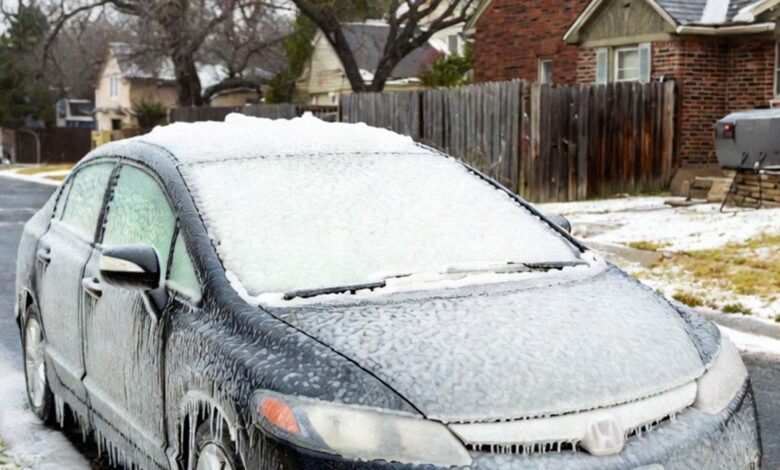
I stopped dead on the porch. My Civic was gone. In its place stood a shimmering, crystalline sculpture. My car hadn’t just frosted over; it had been encased in a thick, deliberate shell of ice. The handles were fused shut, the windshield was a solid block, and the doors were sealed. I tried to yank the handle, but it wouldn’t budge. I ran back inside, grabbed a bottle of de-icer and a scraper, and worked like a man possessed, but it was useless.

Then I saw the evidence: dark, frozen puddles stretching from Vernon’s side gate, where his garden hose sat neatly coiled, directly to my driveway. The man had spent his evening “icing” my car to protect his view. Rowan dragged himself to the front door, whimpering, “Dad… hot…” I felt a surge of rage so violent I screamed his name into the silent street. A light flickered in Vernon’s window. He was awake. He was watching.

I had no choice but to call an ambulance. Rowan was treated and eventually stabilized, but I spent that night sitting by his hospital bed with my jaw clenched so tight it ached. At sunrise, a message appeared in the neighborhood group chat: “REMINDER: VEHICLES THAT DETRACT FROM NEIGHBORHOOD AESTHETICS SHOULD BE KEPT OUT OF SIGHT. TOOK STEPS LAST NIGHT TO PROTECT PROPERTY VALUES.”

When Lena returned and saw the post, she didn’t scream. She didn’t march across the street. She simply smiled—that cold, brilliant smile that meant she had already won the war. “We aren’t going to fight him in his driveway, Gideon,” she said. “We’re going to let him hang himself with his own ‘standards.’”

We became co-conspirators. For the next two weeks, we didn’t retaliate. We let Vernon feel untouchable. While he continued to post anonymous barbs in the group chat, Lena was meticulously building a “gift basket.” She took high-resolution photos of the ice on our car, screenshots of his self-incriminating posts, and photos of his hose extended toward our property. Meanwhile, I dove into the dusty, archaic archives of our HOA bylaws.

Most people never read the fine print, but I treated it like a sacred text. I struck gold. I found a litany of obscure aesthetic violations that Vernon, in his arrogance, had ignored. I documented his unauthorized driveway expansion, his trash bins being left out past the collection deadline, and a fence extension that exceeded the height limit by nearly a foot.

The turning point came when Vernon tried to finish us off. He proposed “Proposal 14B” to the HOA: a rule stating that any vehicle older than ten years must be concealed in a garage. It was a targeted strike against my Civic. Lena read it and laughed. “He finally wrote it in ink,” she said. “That’s our green light.”

The next HOA meeting was packed. Vernon sat in the front row, looking like a triumphant politician. When his proposal came up, he stood and gave a rehearsed speech about “removing visual clutter.” When he finished, I stood up. I walked to the front of the room and placed a blue folder on the table.

“Before we vote on new standards,” I began, “I think we should discuss the ones currently being violated.” I started flipping through the tabs. “Unauthorized driveway expansion—page three. Fence height violation—page six. Trash bin negligence—page eight.” The room erupted in murmurs. I looked Vernon dead in the eye. “And then there’s the matter of criminal tampering. I have time-stamped photos of a neighbor icing my vehicle with a garden hose during a medical emergency involving my son.”

The gasps were audible. Even the board members looked horrified. Then Lena delivered the killing blow. “Regarding Proposal 14B,” she said sweetly, “Vernon’s beloved vintage convertible is a 2007 model. He’s been parking it in his driveway for years. If this rule passes, he’ll be the very first person in violation of his own standard.”

The meeting was adjourned instantly. The HOA president, a woman who didn’t tolerate nonsense, promised a full investigation into Vernon’s property. Vernon didn’t stay to chat; he stormed out, his face a shade of red that matched his custom house trim.

A week later, we threw a “Welcome Back” party for Rowan in our front yard. Neighbors we had never spoken to stopped by, bringing snacks and sharing stories of Vernon’s previous bullying. We passed around a lighthearted flyer titled “How to Respect Neighbors Without Breaking the Law,” which included tips like “Don’t weaponize your hose.”

Vernon’s house has been strangely quiet since then. His extra fencing came down, his driveway was repainted to meet code, and his convertible is now permanently hidden behind a closed garage door. He no longer watches us from his window. He no longer posts in the group chat.

I still drive my 2009 Civic every day. I take the long way around the block, slowly idling past his house just to make sure he gets a good look at it. It might be old, it might be dented, and it certainly isn’t a showroom piece. But every time I hear that engine turn over on the first try, I’m reminded that appearances aren’t everything. Facts sting longer than fists, and a “cheap” car can beat a rich bully if you know exactly how to drive the truth home.

With heavy hearts, we announce the tragic passing of this American beauty queen!

With heavy hearts, we announce the tragic passing of this American beauty queen!
In the competitive world of pageantry, crowns are often seen as the ultimate symbol of achievement, but for Andrea Andrade, they were merely platforms for a much deeper purpose. On January 16, 2026, the California beauty queen passed away at the age of 35, leaving behind a legacy that far outshines the gold and crystals of her five titles. Her death, nine years after her initial diagnosis, marks the end of a grueling battle with colon cancer—a disease that is increasingly and alarmingly claiming the lives of young adults under fifty. While Andrea’s fight has concluded, the story of her nine-year journey remains a masterclass in resilience, service, and the refusal to let a diagnosis dictate the boundaries of a life.

Andrea’s ordeal began in 2017 when she was just 26 years old. While traveling in Mexico with her grandmother, she experienced sudden, catastrophic cramping and heavy bleeding. Initially, she dismissed the pain, attributing it to a history of endometriosis. However, the situation quickly became life-threatening. Rushed to a hospital after losing three pints of blood, Andrea was told she likely wouldn’t survive the night due to a shortage of donor blood. In a miraculous show of community strength, her father rallied local donors, securing enough blood to save her life. It was only after this stabilization that doctors uncovered the devastating truth: Stage III colon cancer. At an age when most are beginning their professional lives and planning their futures, Andrea was given a prognosis of six months to two years. She defied those odds for nearly a decade.

For Andrea, those nine years were not a period of mourning for the life she expected, but an active pursuit of the life she wanted. She became a prominent figure in the California pageant circuit, earning titles such as Miss West Coast, Miss Nuestra Belleza USA, and Miss California Congeniality. Yet, her husband, Chris Wilson, often remarked that her physical beauty was the least interesting thing about her. They were together for eight years, sharing a bond forged in the fires of chronic illness. Chris frequently spoke of her authenticity and her ability to anchor him with her soul rather than her celebrity. To him, she was a warrior who chose to spend her limited energy uplifting everyone around her.

This selfless spirit found its most profound expression in the wake of Andrea’s own suffering. During one of her countless chemotherapy sessions, she encountered a young boy who had arrived for his treatment wearing a superhero costume. That small act of childhood defiance in the face of a terrifying disease sparked a fire in Andrea. Along with Chris, she founded “Not All Heroes Wear Capes,” a non-profit organization dedicated to bringing magic to pediatric wards. Andrea and Chris would dress as superheroes, accompanied by mascots and characters, to visit hospitalized children. Andrea spoke candidly about the emotional toll of this work, admitting she often cried in private, but seeing a child smile in the middle of their own “battle” made the heartbreak worthwhile. She turned her pain into a shield for others, proving that generosity is perhaps the most effective medicine for the spirit.

Andrea’s journey was a series of peaks and valleys. At one point, she celebrated a period of remission, a time of immense hope where the shadow of cancer seemed to recede. However, the reprieve was short-lived. The cancer returned with a vengeance, spreading to her reproductive system and advancing to Stage IV. Despite the rapid decline in her health starting in October 2025, she remained steadfast. Her primary concern was never her own comfort, but the well-being of her parents. As their only daughter, she carried a heavy awareness of what her absence would mean to them, a realization that fueled her resolve to stay present and positive for as long as her body allowed. She managed to share one final holiday season with her family before being hospitalized shortly after Christmas.

One of the most enduring symbols of Andrea’s legacy sits in a cancer center in Fresno. Years ago, she donated a chemotherapy bell—a tradition where patients ring the bell to signal the end of their treatment. Engraved on that bell are the words her aunt told her during her darkest hour: “God gives his toughest battles to his strongest warriors.” Though Andrea would never get to ring that bell herself, she ensured that hundreds of others would have the chance to do so, buoyed by the strength she left behind. Her life was a testament to the fact that “finishing” isn’t always about the cure; sometimes, it’s about the grace with which you run the race.

Andrea Andrade is survived by her devoted husband, her parents, and her three brothers, Junior, Eric, and Jose. Her story serves as a poignant reminder of the rising rates of colorectal cancer in young people and the vital importance of early detection and self-advocacy in medical settings. Because of her age, cancer was the last thing her initial doctors suspected, a delay that cost her precious time. By sharing her story so openly, Andrea likely saved lives by encouraging other young adults to take their symptoms seriously.

In the end, Andrea Andrade was not defined by the disease that took her, nor was she defined solely by the beauty that made her famous. She was defined by the children she comforted, the husband she inspired, and the community she unified. She lived with an expansive heart, demonstrating that even when time is stolen, the quality of one’s presence can create a legacy that lasts forever. Andrea didn’t just fight a battle; she led a movement of kindness. Her crowns may be tucked away, but the light she brought to the world’s darkest corners remains undimmed. Andrea Andrade didn’t let cancer write her story—she picked up the pen herself and wrote a narrative of triumph, service, and eternal love.

A Gang Burned Bumpy Johnson’s Daughter Alive — The Next Day, Police Found a Grave Holding 3 Bodies

Hit the [screaming] gas. Fire took her right on the Harlem pavement. They torched Bumpy Johnson’s little girl. But that heat, it was a matchstick compared to the hell brewing on the streets. The blood didn’t write this chapter. It was the quiet, the devastating calm that came after the scream.

 That split second sealed the neighborhood’s fate. A slow burn started right then, incinerating whatever scrap of mercy was left in town. We aren’t talking about messy street justice. We are talking about the cold, hard fallout that changes a man’s life forever. Payback was the small picture. This was about the code, about a system that forgot the price of disrespecting a boss.

 Bumpy didn’t reach for a Tommy gun. He reached for something deadlier. The clock. 24 hours flat. That is the deadline. By the time the hand circles round, every soul on the block is going to see a new kingpin rise. It wasn’t built on hot blood. It was built on ice. The kind of discipline that leaves a mark on history.

 The kind that grabs the world by the throat. If you respect the hustle, smash that like button and subscribe. Keep these old war stories alive. Drop a word below. What time is it on your watch? Where are you posted up? The neighborhood went dead silent. They had seen hits, raids, the ugly side of the business.

But they never saw a boss this calm. That wasn’t fear. That was a boss making a move. Bumpy Johnson, the heavy hitter, wasn’t screaming for heads on a platter. He wasn’t tearing up the asphalt looking for blood. No, what went down in those dark hours was way scarier. Harlem pavement is stained with violence.

 But the loudmouths don’t run things. It is the guys in the back room watching, waiting, figuring the angles. They knew when to make a play and when to keep their mouths shut. They knew real power ain’t the guy yelling. It is the subtle shift. The blade you never see coming. You cross a guy like Bumpy. The hit doesn’t matter.

 It is how he settles the score that counts. You never lose your cool. Nobody said a word. But everybody knew they just watched the fuse get lit. The disrespect. Someone crossed a line you just don’t cross. They saw what happened to Bumpy’s blood. It hurt to watch, but they knew to stay out of the way.

 The payback wasn’t going to be messy. It was going to be surgical. Strictly business, cold as ice. The scariest guy in the room is the one who doesn’t blink and lets the clock do the heavy lifting. They say Harlem changed that night. The air got heavy. The streets were buzzing, but nobody was talking above a murmur. Nah. This was the word passing through the pavement cracks, reading between the lines.

 It was in the eyes when they thought the law wasn’t looking. A feeling that the end was coming no matter what. Time felt like a countdown. Even if nobody spoke it, everybody knew the bill was coming due. Nobody lifted a finger to stop it. They stayed quiet because they knew judgment day wasn’t going to be a riot.

It was coming calm, professional, and absolutely terrifying. As time ticked on, the question hanging in the cigar smoke was, “When does this whole house of cards come down?” In the alleys, they waited. Tick-tock. Harlem was bracing for a storm that would wipe the slate clean.

 Driven not by temper, but by pure control. 24 hours. That was the hard line. It hung there like a loaded gun. The weight of it pressing down on every shoulder in the burrow. For Bumpy, time was his partner. He didn’t need a knee-jerk reaction. He didn’t need to swing wild. He just needed patience. In 24 hours, the territory changes. But first, he had to set the board.

 Bumpy knew that settling the score, when done right, is more than just getting even. It becomes a reputation, a legacy. It draws a line in the sand that nobody crosses for years. torching his daughter, that was personal. But the payback, that was business, targeting more than just the mukes who did it. It targeted the whole organization that made them feel safe.

 Behind the door, the sitdown began. No yelling, no showboating for an audience. The wise guys in that room knew the score. Chaos doesn’t run the world. Order does. Every decision was weighed. Every move was calculated, set up so when the hammer dropped, the message was loud and clear. Step one was logistics. Who gets the call? What muscle do we need on the ground? Bumpy knew the territory.

 He knew the players. He knew the heartbeat of Harlem better than his own. The neighborhood had a part to play, even if they kept quiet. The crew knew Harlem breathed like a living beast, a power you could use if you knew how. There was a brief pause, but it wasn’t fear. Every guy in that room knew the price tag attached to this job.

 This wasn’t just about getting even. It was about the whole structure, respect, muscle, and absolute control. And once you tip those scales, there ain’t no turning back. The setup came together quietlike. A whisper here, a handshake there. But every move had one purpose. to hit them where they bleed.

 Right when all eyes are locked on the stage, they wouldn’t see the knife coming until it was buried deep. As the clock ticked down, nobody asked times if times the blowback was coming. The only question was times when asterisk, and the answer was simple. The second the ink dried behind closed doors. Bumpy Johnson and his top lieutenants huddled in the shadows, the air heavy enough to choke on.

 The table was covered in papers, maps, and markers. Every move plotted like a chess game. The silence in that room carried the weight of a death sentence. In that quiet, the crown was already shifting. They weren’t talking about the past no more. They were right in the future. This wasn’t petty payback. It was about sending a message loud enough to shake the pavement.

 Bumpy’s head wasn’t hot with rage. There was no fire in his eyes, just cold, hard calculation. He knew if he went off halfcocked, the point would be missed. But if he waited, let the pressure cook, let those rats sweat in their own paranoia, then the city would fall into his lap. This wasn’t about one crew.

 It was about provin that the laws of the street could be rewritten. That the chain of command, that silence they relied on could be snapped. Nobody stands above the code of respect. And nobody outruns the debt of their own ego. But this wasn’t a simple hit. Every step had to be razor sharp. Every nod, every favor had to land on the beat. Harlem had to fall in line, whether the streets knew it or not.

 The punks who lit the match weren’t the real target. No, Bumpy was aiming higher at the machine that made him think they were bulletproof. He was planting dynamite under their whole foundation. One by one, the names hit the table. Guys who thought they were gods were getting marked for death. Bumpy soldiers, the ghosts in the alleyways would make sure the stage was set.

 Nothing slipped through the cracks. The whole operation would crumble brick by brick until it was dust. Now we just watched the clock. Bumpy scanned the room, locking eyes with his right-hand man. A single nod was all that passed between them. That’s the language of men who’ve buried bodies together for years.

 They knew exactly what was on the line. They knew the whole world was about to tune in, even if they didn’t know it yet. The crown had already changed heads. All that remained was pulling the trigger. The tension was thick, a wire pulled tight enough to snap a neck. But bumpy, he was stone. He wouldn’t twitch a muscle until the stars aligned.

 The pieces were sliding on invisible strings, dragging the neighborhood right where he wanted it. And when the hammer dropped, it wouldn’t just bury one crew. It would crush the whole damn system that let this mess happen. Midnight. The city was out cold, but the streets of Harlem. They were wide awake, holding their breath.

 A silent pressure filled the blocks, thicker than the fog rolling off the Hudson River. Inside that cramped, smoke choked back room. The outside world felt a million miles away. Time stood dead still, every second dragging like lead weights. But it wasn’t the clock making the air heavy. It was knowing that every action has a reaction.

 They weren’t moving in the dark anymore. The hit they planned was going to send shock waves through every soul in the neighborhood, not just the torchmen. The hierarchy of fear, that delicate house of cards, was about to collapse. And there ain’t no fixing it once it falls. In Harlem, power ain’t held by just one boss.

 It’s held by the folks who keep their heads down, the ones who look the other way, the ones who keep their traps shut. Every handshake, every nod, every side eye, it all meant business. It was a spiderweb of favors, a silent pack to keep the machine running, to go blind when necessary. And nobody read that book better than Bumpy.

 But that web had cracks now. Fractures that split open the second they struck Bumpy’s own blood. The silence on the street, that was the most dangerous weapon of all. It was like watching a building burn. Everyone standing back, waiting for the roof to cave in. We don’t do speeches in Harlem. No hollering, no picket signs. The quiet always spoke the loudest here.

And as the minutes bled out into hours, that silence was screaming. Bumpy sat in his throne, eyes glued to the map, tracing the war path with his gaze. He wasn’t sweating it. Not yet. But something else was in the room. Something deadlier than fear. It was the weight of fate. He knew in his gut that once the first domino tipped, the game was locked in.

 How long before the streets woke up? Would they see the crown had shifted or keep sleepwalking into the storm they helped brew? By the time the first heater barked, it would already be over. Harlem didn’t belong to the system no more. It was Bumpy’s town now, and the takeover would happen before they even understood why.

 As the clock hands dragged toward sunrise, a cold truth settled over the city. The bill for their disrespect had finally come due. The first hit didn’t scream. It whispered. No marching bands, no messy shootouts in the street, just one cold, calculated move that tipped the first domino. Before the sun hit the pavement, Harlem shifted, but not with a bang. It was a slow, crushing squeeze.

The air in the room got heavy, like lead. The blocks felt like a powder keg waiting for a match. Those punks who crossed bumpy, they were getting iced out. piece by piece. Bumpy didn’t just have rats in the walls. He was pulling the foundation out from under their whole operation. Every shop, every corner hustle, every backroom deal got compromised.

 He peeled them back like an onion until their throat was exposed. Suddenly, the untouchables looked real breakable. The locals, the ones who usually kept their mouths shut, they started to see the writing on the wall. the old rules of the street. They didn’t mean squat anymore. The game was rigged differently now. You could feel the pressure dropping like a hurricane coming in, but nobody knew how bad it would get.

 They didn’t see the strings Bumpy was pulling or how deep the knife was already twisted. The reaction wasn’t loud. It was in the eyes. Folks started walking these blocks with a straight back and a heavy step. Guys who used to shake in their boots were looking up now. They kept their traps shut, but they smelled blood in the water.

 They felt the grip loosening on that rival crew. But the juice wasn’t just flowing to Bumpy Johnson. It was flowing back to the neighborhood. Bumpy figured out the one thing the other bosses missed. The real muscle of Harlem wasn’t the guys with the guns. It was the people on the stoops.

 You move them, you move the world. You could steer them toward a new king. But they had to see the throne topple with their own eyes first. When those wise guys realized the floor was crumbling, their tough guy act started to crack. The sweats started pouring real slow. Then all at once when they saw the trap shut. They thought Bumpy was soft. Big mistake.

 They thought they were made of steel, that their racket was bulletproof. But they forgot one simple rule of the jungle. They didn’t run Harlem. Harlem ran them. And as Bumpy sat back watching his machine dismantle them gear by gear, he didn’t smile. He just sat in cold silence. The checkmate was on the board. No hail Marys this time.

 No miracles coming to save their necks. It was done. Makes you wonder, did they ever really hold the rains or were they just warming the seat until a real boss showed up? The storm broke and the city breathed different. The fear was gone, replaced by a quiet, heavy respect. The rivals were history, buried under their own big mouths.

 Their whole setup caved in on itself. But what fills the empty chair at the head of the table? A vacuum? Nah. Something heavier. A new law. One built on keeping your cool, not spraying bullets. When the smoke cleared, Harlem stood still as a grave. People went back to work, but the concrete felt different under their feet.

 The patience of the wise guys who waited. That was part of the sidewalk now. Nobody forgot the lesson. But nobody ran their mouth about it neither. That is the Harlem code. Just a look in the eye, a nod across the bar. But one thing hung in the air like cigar smoke. A cold hard fact. Disrespect sends a bill and everyone pays eventually.

 That was the takeout from this silent war. It wasn’t just about getting even. It was about the big picture. A universal law. Crowns fall. Rules get rewritten. Usually when the boss is looking the other way. Years later, that night became a ghost story. Some whispered it like a fairy tale. The real ones just nodded, knowing who really held the keys.

 A new kingdom was built, but nobody shouted about it because the violence wasn’t the point. It was the discipline. As time rolled on, one question stuck in the heads of the survivors. How often did the world change while they blinked? A silent coup happening right under their noses. How many times did the throne change hands without a single trigger pulled? And maybe, just maybe, it wasn’t the gun that lost that night.

 It was the foolish idea that a bullet is the only way to run a

Missing Sisters 1982 — 20 years later, a bricklayer discovers this…

The morning in April 2002 dawned damp in Millbrook, Connecticut. Carlos Mans parked his battered pickup truck the house at 800 [__] Diepton Oakwood Drive, a two-story Victorian building that has been in use since 3 been empty for years. Moss green color peeled off the outside walls and the There were windows on the first floor Boarded up.

Such a shitty job Carlos muttered to himself leaned over and reached for his Sledgehammer and toolbox the loading area. The new owner, a Investor from Hartford who owns the property Carlos had never seen it before an initial structural analysis commissioned before thinking about renovation or demolition decided.

 $50 an hour weren’t bad around a few walls tear down and take photos. Carlos unlocked the front door. The smell of Mold immediately hit him in the nose. He held the cloth in front of his nose, that he always carried with him and went into it. The wooden floor creaked his feet. Cobwebs hung like ghostly curtains from the corners.

He decided to go to the basement first and turned on his powerful flashlight a. The basement stairs were narrow and steep. Carlos carefully climbed down and checked each step before taking on its full weight shifted to it. Down below forced him low ceiling to cover your head slightly lower.

 The ray of light of his Flashlight cut through the darkness and revealed moss-covered stone walls. He began examining the walls and rapped his knuckles to Find cavities. The house was almost 100 years old. I already had everything when I saw these old buildings renovated. Knock, knock, knock. More solid sound. Knock, knock. Hollow.

 Carlos stopped inside. He knocked on it again position. Definitely hollow. He looked closer over and noticed that the mortar was around a certain row of bricks new and looked brighter than the rest of the wall. Like strange. He took the sledgehammer and knocked along more easily. Some Pieces of mortar came off easily and fell on the with small cracks Concrete floor.

Carlos removed bricks for Brick. After ten minutes he had one Hole the size of a plate created. He put out the flashlight into the hole and peered inside. Saints Mother of God. What he saw spooked him your stomach. Carlos jumped back, tripped over his own feet and almost dropped the flashlight. His heart was pounding like a drum in his chest.

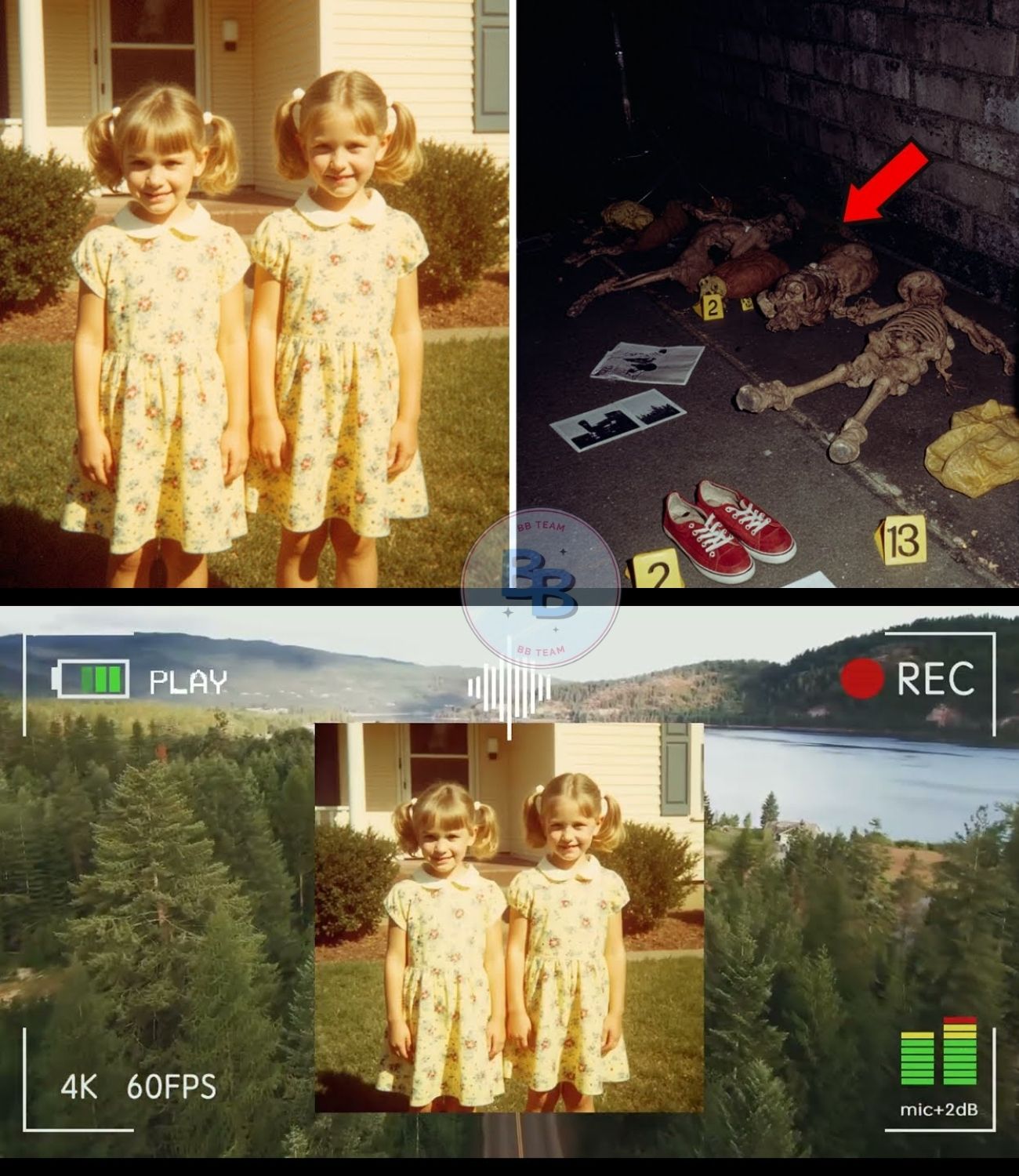
 He took three deep breaths through and tried to calm down. Calm down, Carlos, calm down. He approached again, slower this time, and looked through the hole again. He had not mistaken. In the small one Secret compartment behind the wall from the white one The light beam of the flashlight is preserved two small skeletons, children’s skeletons.

They lay next to each other and were still carrying always seemingly tattered clothing. In addition to the bones, Carlos was able to find some Recognize objects. A moldy one Rag doll, a red child’s shoe, yellowed photos. My God! Carlos hands trembling as he took his cell phone out of the bag pulled.

 With fingers that are barely there could press the right keys he made the emergency call. What is your emergency? I found bodies. Children’s corpses, skeletons. His voice sounded hoarse and strained. Sir, calm down. Where are you? 800 Oakwood Drive in the basement. I am Maura. I have an assessment done and you are in the wall. In the wall? Okay, sir.

 Stay put They are. I’ll send immediately emergency services. Don’t touch anything. Like is your name? Carlos Mendes. Mr. Mendes. The police are in less than 10 Minutes there. You can go upstairs and wait outside. Yes, yes, I’m going upwards. But Charles could don’t move immediately. He stood there and stared at the hole in the wall the two little skeletons that were there Someone had hidden it for a long time.

 Two Children, who were they? What were they like? died? How long had they been lying there? there? Finally his obeyed him legs. He quickly climbed the basement stairs up, crossed the house and stepped out into the fresh morning air. He sat down on the porch steps. With He waited with his head in his hands. Minutes later, two police cars arrived at high speed.

 The Sirens tore through the silence Neighborhood. Four policemen jumped out of the cars. “Are you Carlos Mendz?” asked a tall, gray-haired official. “Yes, sir, I’m Officer Patterson. They said they had human ones Remains found in basement. In the Wall two, two children. Patterson exchanged an intense look with him his colleagues. Show us.

Charles led her back to the basement. The four officers approached damaged wall and illuminated it their tactical flashlights. The There was only a quiet whistle to silence one of the younger officers interrupted. “We need them immediately Forensics,” said Patterson and already reached for the radio.

 Thenext two hours transformed the house on Naoko Drive into a crime scene. Yellow caution tape sealed off the entire area terrain. Vehicles of the Forensics arrived. technician in white overalls came and went. Curious neighbors began to show up to gather on the other side of the street. Carlos gave his formal statement a middle-aged detective named James Parker off.

 “Do you know them? History of this house, Mr. Mendes?” Parker asked. “No, sir, I just know that it has been empty for three years. The new owner took me with him this morning commissioned to carry out an assessment.” Parker nodded and took notes. And her have never been here. “Never.” One Crime scene technician came from the house and walked towards Parker.

 She spoke quietly, but Carlos could hear fragments understand. Two skeletons, estimated between seven and 9 Years old, decades ago. Parker thanked her and turned to Carlos to. Mr. Mendes, you have a very important discovery made. You will probably with other people need to talk, maybe with Journalists.

 Are you sure it is are they okay? Yes, I’m fine. I just want to know who these children were. Parker pocketed his notepad away. That’s the question we all face want an answer. The message spread like wildfire. On next morning everyone reported Local newspapers about the macabre in the Oakwood Drive. Children’s skeletons in Found in an abandoned house was the headline Mill Brook Daily.

 TV channels sent their teams to remote locations Property. Chen handed one to Parker steaming cup. Thanks. Parker took a bitter gulp. I am already on my third box. He leafed through in his notes. Seven, four boys, three girls. He stayed in front of you specific folder. His Facial expression changed. Wait here. He opened it.

 He slowly went with it Folder over as if he touched something Holy. Inside were faded ones Photos of two identical girls. Big smile, blonde hair in pigtails tied in matching floral clothes. Emma and Sophie Morrison, Twins, disappeared on August 15th 1982 during a neighborhood party here in Millbrook. Parker read it Report out loud. They were 8 years old.

They were last seen playing in the Seen a neighbor’s garden. As hers Parents follow them 20 minutes later were looking for, they had disappeared. Extensive investigation, none Evidence, not witnesses. The case was Completed in 1985. Chen took one of the Photos in hand. Some twins, two skeletons, the same age.

 This they have to be. The parents’ address is still here. Parker pointed on it. Robert and Linda Morrison Maple Street number 234 Do you still live there? Parker chose already the number. After three times A woman’s voice answered the bell. Hello, Miss Morrison. Here speaks Detective James Parker from the police department Milbrook.

 Hopeful and scared at the same time. We would rather that discuss in person. Mom, you can come now? Yes, yes, I’m leaving now. Morrison, thank you so much for being quick have come. This is a tricky one matter. Linda sat on the Edge of chair. Do you have my girls found? Please tell me quickly notice. Parker took a deep breath.

Yesterday a worker who had a… abandoned house on Oakwood Drive renovated human remains in found on a basement wall. Two skeletons of girls. Estimated age, 7 to 9 years. Linda turned white as a sheet. Her hands shot to Saboka. Due to the estimated time of death and of the features we believe it is could be about Emma and Sophie.

 We need DNA samples from you and theirs man for final confirmation. Oakwood Drive. Linda murmured. House number what? 847. This was Professor Thomson’s house. Richard Thompson. Linda’s eyes widened. He taught at the elementary school the girls visited. He organized Neighborhood festivals. They disappeared at one of these festivals.

Parker leaned forward. So you said, they knew the owner of this house. Everyone knew Richard. He was very viewed. He was about 45 years old at the time old, single, had no children of his own, but he loved children, which is why he was a teacher had become. Linda wiped it off Tears from eyes. He was then questioned like all neighbors, but it was unthinkable that Richard would after that Disappear to be so kind to us would. Chan quickly took notes.

Do you know where he is now? No idea. He is a few months after the girls’ disappearance pulled away. He said he was retiring leave and move to Florida. We have never heard from him again. Parker was already on the phone. I need one Search warrant for 800s in Oakwood Drive and I want everything about Richard Thompson.

 employment references, tax returns, criminal records, everything. Linda took Parker’s hand. Chanput an arm around her shoulders, as Parker quickly left the room and already the largest operation coordinated that Mill Brook since had experienced for decades. Robert Morrison arrived an hour after Linda the police station.

 They were the ones all the time there, Robert, while we searched everywhere. All over the country. We have views on television started, posters hung up. They were just three blocks from home. Robert closed his eyes. Are you sure? You will have a DNA test do, but I know it deep down inside me hearts. I know it. They sat There was silence for minutes until Parker appeared. Mr.

 and Miss Morrison, we need saliva samples from them. It is very simple. 15 minutes later, after the samples have been taken and sent to sent for accelerated analysis Parker brought them back into the interrogation room. I have to tell you the day of the disappearance describe every detail you remember remember. Linda looked at Robert, who sensed her.

 You began, her voice shaking, but she was determined. It was August 15, 1982, a Sunday. Richard Thompson hosted the whole thing Summer festivals in his garden all year round. Barbecue, games for the children, music. The whole neighborhood was there. We arrived around 2 p.m., Robert continued. The girls were excited.

 They had put on their new partner clothes, those yellow flowers that Linda sewed had. They ate hot dogs. They played Catching with other children. Linda wiped away a tear. Saw at 3:30 I see her for the last time. They sat up the swing that Richard has in the big one Oak had hung in the garden. Sophie rocked at them and they laughed so hard a lot. I got lemonade.

 Robert took over the narrative. When I returned ten minutes later, the swing was empty. I asked them other children. Nobody knew where they were were. We looked everywhere. Linda Solu. In the garden, in the house, the whole street along. We called her name until we were hoarse. After 30 minutes we called the police.

 Parker looked at the old report after. It says here that 47 people who were at the party, were questioned. No one saw the girls leave. How is that possible? Robert hit the table. Adult. How could no one see? The party mainly took place took place in the garden, explained Linda. Front there was no one in the house. If someone the Girls brought out the front door Richard Thompson was questioned? Parker asked, although he had the answer already knew. Of course several times.

Robert rubbed his face. He cooperated fully and let the Police search the entire house. Basement, attic, everything. He passed the lie detector test. The disappearance affected him deeply shocked. Or he was a great one Actor muttered Jane. Parker stood on. We are issuing a nationwide one Manhunt for Richard Thompson.

 We will find him. He could be dead, Linda said emotionlessly. He is now almost seventy if he is still alive. We will find out. In the following Days ago, the house on Oakwood Drive gave way and after his secrets price. This forensic team worked meticulously and documented every piece of evidence. This Secret compartment measured approximately 1.5 x 1 mm.

Faded seventeen Polaroid photos showed two girls in a dark Keller brought a leather-bound diary with him yellowed pages. Dr. Rebecca Santos, senior forensic pathologist, Parker presented her preliminary Results. Both victims were female and at the time of her death between 8 and 9 years old.

 Because of the bones and tooth development probably about twins or at least about sisters who are age-related were very close to each other. Cause of death: Bones. It would have suffocation, poisoning or could be something else, that leaves no traces of bone. Yes she hesitated. What? We have something Found something interesting.

 Small fragments of something that looks like duct tape in near their mouths and rope fibers her hands and ankles. Parker felt sick. They were tied up and gagged. So it seems. How long we don’t know yet. And the diary is analyzed. The pages are brittle but readable. It seems in To be written in children’s handwriting. That night, Parker read the diary in her office.

 The clear, uneven one Children’s writing broke her heart. Day 1. Mister Thomson said it was a game. He said mom and dad are looking for us and Whoever stays quiet the longest wins. Sophie is scared. Me too, but me is not allowed to show it. Day 2 is on another game. He has the door completed. It’s dark. Sophia cries a lot. I want to go home. Day 7.

He brings food once a day. Sometimes he forgets it. Yesterday is the water went out. I feel sick. The Entries continued, became more and more more desperate until she abruptly on day 12 ended. Parker closed the diary, Tears streamed down his agedFace. 20 years in the police service had seen a lot, but this was it unbearable.

It was time to find Richard Thompson. The DNA test confirmed it three days later. The skeletons belonged to Emma and Sophie Morrison. The news reached Linda and Robert on a rainy day April morning. Linda didn’t cry. She had already shed all the tears, felt them only slowly, as if a part had she knew it from the beginning.

“Can we, can we now “Buried?” she simply asked. “Soon”, Parker promised as soon as the investigations allowed it. Meanwhile became the search for Richard Thompson intensified. He sold the house on Oakwood Drive, well below market value an investment company, quick to sell. Employment documents?” Parker asked.

 He was out in August 1983 health reasons in the retired. He received a full one Pension. The deposits lasted until 1995 in an account with First National Bank in Millbrook before moving on to a Account in Sarota, Florida transferred were. So he’s actually after Florida gone, as they said, like that it seems. But now it will interesting.

 Wa put up a document the table. In 1995 Richard applied Thompson a name change. He called to Richard Thornton. Just one Letter different, but enough to the make tracking more difficult. Ch looked at the document. Why should someone 13 years after the crime change his name? Maybe had I’m scared, Parker guessed. New Advances in DNA anal.

Forensic technology. He knew that he would be found if the bodies would be found. We have one current address. Who nodded. Senior living complex in Sarasota, Greenville Palms, Apartment 42b. I paid the administration to do this to be confirmed. Richard Thompson, 66, has lived there for 7 years. He is too still there now. So does the administration.

 Yes, him rarely leaves the facility. He has health problems, diabetes and High blood pressure. Parker stood up. Prepare the Arrest warrants. We’re going to Florida. Landed two days later Parker and Chan in Sarasota. A local patrol car received them on Airport. Detective Parker, I’m Sergeant Mike Rodriguez.

 We’ll accompany you Greenville Palms. The senior living complex consisted of several low ones surrounded by peach-colored buildings Palm trees. A pool shone in the middle, where there are some older people lounge chairs. It worked too peaceful, around the hiding place of one to be a child murderer. “Poppy 42binds itself on the second floor, “Building C,” Rodriguez informed them.

They climbed the outside stairs. Yours Footsteps stop on the concrete again. Parker knocked on the white-painted one door. No answer. He knocked louder. Richard Thompson, police, open door. Noises inside. Shufflers Steps. The door opened one gap width. The security chain was still there.

 An older man peered through the gap. Thin white hair, thick Glasses, a gaunt, pale face. What do you want? Parker showed his ID card. I’m Detective James Parker from Millbrook Connecticut. We have to talk about Emmer and Sophie Morrison speak. Thomson’s already pale Face became even paler. His hands were visibly shaking. I don’t know what you’re talking about, sir.

 We have them Bodies in your house on Oakwood Drive found. We know what you did have. Thomson tried to close the door close, but Rodriguez already had stuck his foot in the crack. Mr. Thomson, we have an arrest warrant. Please open the door. Not me. It was an accident. You. Open the door. Thomson removed it with trembling fingers the chain.

 The door swung open and opened the view of a small spotless clean apartment available. Simple furniture, plain white walls, like one voluntary prison cell. Chen went in first and saw himself the rooms. Free. Rodriguez laid Thomson handcuffs while Parker gave him his rights. The older man offered no resistance. He worked almost relieved. Years Thomson murmured as he followed was led below.

 I have 20 years waited for this day. In the car on the Thompson began the walk back to the police station to speak without being asked. That’s how it should be don’t end. I just wanted her stay with me for a while longer. You were so beautiful, so perfect, Twins like the children I never had had.

 Parker had everything with his Taken on cell phone. Tell me more. I took her with me during the celebration into it. I told them I had one special gift for you in the basement. Sweet toy. They followed me without stopping ask. Why not? I was Professor Thomson. Everyone trusted me. What have you done to them? I concluded the cellar door off.

 I had this room Prepared months in advance. Food, water, blankets. I thought, I could keep her, be her father. Youwould love me in the end. Chen struggled against the urge to vomit, but she cried, screamed and banged on them door. I had to tell them off miss it so no one heard anything. Her parents were looking in my garden after them.

 The police questioned me my living room and they were the downstairs all the time. How long did they live? yet? Thomson closed his eyes. 12 Days, maybe 13. I stopped listening count. Emma died first. High fever. Sophia. Sophie died two days later, as she hugged her sister. And you you hid them in the wall. You have the secret hiding place in one night built. Nobody knew anything.

 I kept the house for three months, lived on their corpses, but I could can’t bear it anymore. I sold it and ran away. Parker switched it on Recording off. He had what he needed. A complete confession. Richard Thomson. You’re on murder charges to Emma and Sophie Morrison arrested. Thomson looked out the car window when Sarasota drove past.

Finally, he whispered. Finally it is over. Richard Thompson’s extradition to Connecticut took two weeks. In At this time the case became national known. All major television networks reported about it. Retired Professor admits after 20 years Murder of twins was the headline Headlines. Linder and Robert Morrison was besieged by reporters.

Finally they gave a single one Press conference. “Our family has had 20 years without answers lived,” said Robert with controlled, but tense voice. “It is terrible, it’s devastating, but it is the truth. We can do ours Finally bury my daughters with dignity.” “Do you forgive Richard Thompson?” asked a reporter.

 Linda looked straight in the camera. No, never. He has us took our girls. 20 years of our lives. Your future. That’s what there is for there is no forgiveness. Emil, the community was shocked. Many remembered still to Richard Thompson, the friendly teacher, the organizer of Festen, the man to whom all her children had entrusted.

 Margaret Chen today 35 was Thomson’s student in 1981. “He was my favorite teacher,” she told the local television sub-tears. He did funny voices when he tells stories let. He always had mints in his pocket and there he was Inhuman. The elementary school where Thompson taught, published an official statement in which they their horror and their solidarity with the Morrison family brought.

 His name was known by everyone Honor boards removed. The skeletons were than those of Emma and Sophie identified. Emma’s diary documented 12 days of captivity. We requested remand without Deposit. The public defender, a young man named Kevin Nash, the obviously not in this case wanted to take over, argued: “Yours Honor, my client is 66 years old, has several health problems and does not pose a risk of escape.

” “Denied,” said Judge Patricia Blackwood without hesitation. “Mr Thomson, They will remain in until their trial Remand without bail. Next Hearing in 30 days. Thomson became back to the cheers of the crowd outside taken to the county jail. In the Further details came in the following weeks to the light.

 The investigators discovered Thomson’s criminal record. In 1975 one disappeared seven-year-old student after Classes in New Haven. Three hours later she became disoriented, but found unharmed in a park. You told her a nice man had met her Offered sweets and made them one Taken for a walk. The Description was Libra. Thomson stumbled never suspected, but was months later transferred to Midbrook.

 1979 parents complained: “Tomson spend too much time alone some students.” The school management investigated the case but found nothing Eye-catching. Thomson received one informal verbal warning. “The Signs were there,” Parker said in an interview. “But at that time they applied Teachers as undisputed Authority figures.

Nobody wanted to believe anyone like that respected could be dangerous. Meanwhile, Linda and Robert could finally the funeral of her daughters plan. The ceremony took place on a sunny Tuesday in May. Two little girls in white serges decorated with yellow flowers Girls’ favorite flowers. More than 300 people took part.

 Father Michael or Conor, who plays Emma and Sophie had baptized babies, led the Church service. “These two pure Souls came to us through incomprehensible things “Snatched from atrocities,” he said. His voice endures packed church. But today you can we finally give them peace. Today Emma and Sophie return home back.

 Linda put one on each say yellow rose. Robert held her hand. Silent tears ran down his cheeks cheeks. They were standing side by side Millbrook Memorial Cemetery buried in a large oak tree. Similarthe one under which she was last on the had played on the swing. On the Tombstones simply said Emma Morrison. from 1904 which was two Lauer 7082 beloved daughter and sister rest in Peace SF Morrison 152 1916 278 On beloved daughter and sister forever in our hearts.

 After the Linda and Robert stayed for the funeral long in the cemetery after all had gone. “They are together”, Linda whispered. At least they were together. Robert hugged his wife. Both cried for their stolen childhood, the lost years, the life, that was denied to her daughters. But at least now they had a place somewhere they could go, a place to whom they could bring flowers, one Place where she gives her love to her girls could affirm.

 The trial against Richard Thompson started in September 2002, 7 months after Carlos Mendes had made his gruesome discovery. The Jury selection took one week. It was almost impossible twelve Finding people in Millbrook who had no opinion on the case. Eventually they got a jury to put together, which mostly consists of people from neighboring towns.

Prosecutor Martinez presented his case methodically for 10 days. Witness after witness was heard. Carlos Mendz described the discovery of the skeletons. Dr. Santos explained the forensics Findings. Linda and Robert Morrison described the day their daughters disappeared. The most moving moment was when Martine’s excerpts from Emma’s diary. Day 8.

 SF is today haven’t woken up in a long time. You has a high fever. Mr Thomson has Brought water, but not enough. Please God, let’s find someone, please. Several jurors wiped their hands Tears off. Thomson sat motionless Table of Defense and looked on floor. Day 10. He said mom wanted us no more. I don’t believe it. Mom loves us. Sophie is so sick.

 I have such fear. Linda ran out of the Courtroom, unable to do anything more hear. Robert stayed back, his fists clenched, eyes fixed on Thomson directed. Day 12. Sophie stirs not. I called her, but she doesn’t wake up. Mr. Thomson is today didn’t come. I’m alone. Mom, Dad, please find me. Martines closed the diary.

Ladies and gentlemen of the jury, this was the last entry. Emma Morrison was 8 years old when she said these words wrote. 12 days full of torture, hunger and fear before she and her sister died in a cold, dark cellar. Thomson’s defense was weak. Nash tried to argue that Deaths were accidents. “My Client made mistakes.

” “Eh, terrible,” Nesh admitted, “but he I had no intention of doing that to kill children. He is a sick person been a lonely man made disastrous decisions have.” Martinez refuted this argument in his reply. Accident. He built a prison and supplies worried, the kidnapping planned and the Girl locked up for twelve days.

 As they died, he got the bodies hid and fled. This isn’t an accident, it’s murder Intent. Thomson didn’t decide to testify. Nes advised him against it. The The jury’s deliberations only lasted four hours. “We have made a judgment,” announced the chairman, a man middle-aged with a serious expression. In There was absolute silence in the courtroom.

In the State’s case against Richard Thompson. Murder charge first Degrees against Morrison, as did the jury decides guilty in the case of States v. Richard Thompson. Accusation for first degree murder of Sophie Morrison, as the jury concluded came. Linda sank into Robert’s arms. This time they were tears of relief.

 This Verdict followed two weeks later. Connecticut had the death penalty in 1976 abolished. Judge Blackwood had therefore only one possibility. Richard Thompson. This court condemns them to two consecutive ones life imprisonment without the Possibility of premature Dismissal. They will spend the rest of theirs spend their lives behind bars.

Thomson finally looked up and saw Linda and Robert for the first time during of the entire process. “It “I’m sorry,” he said shakily voice. “We accept their apology “Not on,” Linda replied more firmly and clear voice. “They have everything for us stolen. May you in prison rot.” Thomson was in chains taken away to complete his prison sentence North Connecticut State Prison to compete.

 In front of the courthouse reporters surrounded the Morrison family, who processed the verdict. Robert put his arm around Linda. Justice had happened. This brings our daughters not back, but at least will this monster will never hurt a child again do. What should you do now? Linda looked directly into the camera. We will live for Emma and Sophie.

 We will live the life that is denied themstayed. Months later on a cold one November afternoon Carlos visited Mendz the twins’ grave for the first time. He put two yellow flowers on the Tombstones. “I’m so sorry for “You, little ones,” he said quietly. “It I’m so sorry that no one is there for you found it in time.

” As he himself Linda Morrison turned to leave stood there in silence and watched him go. Mister Mendes she said, thank you found that you give us answers have given that they are our girls brought home. Carlos felt she was too emotional to speak. “If she hadn’t been “They always would be,” Linda continued still on this wall.

 We would never have it experienced. “You have given us a gift no matter how painful it was.” “I was just doing the right thing, Ma. Many wouldn’t have done it, but she did and that’s what counts.” They stood for a moment been there together for a long time. Two strangers, connected through a terrible tragedy, proved to be two girls who never grew up were allowed to be, still the last honor.

The sun on the stream cast long shadows on the gravestones. Emma and Sophie Morrison finally rested in peace. The Story by Emma and Sophie Morrison teaches us difficult but fundamental ones Truths about human nature and our responsibility as Society. There is no trust Naivety, but vigilance is required. Richard Thompson had written about the years a reputation of trustworthiness acquired.

 He was a teacher, more committed citizen, a respected one Authority figure. Families trusted him without their children Hesitation on. This tragedy teaches us that perpetrators often hide behind a mask hide from respectability. In Afterwards I lost Bandiras. A transmission following an incident in New Haven when I over time too much said, but some people I ignored or minimized because I didn’t know what I wanted to say.

 De Vemus is convinced that he is seriously busy, especially when he has other people that he admired. Green, it’s not important that it is dark and it is better it to doubt. Linda and Robert are alive years ago and dream of fates for their children. After I had devastated the two bodies it got worse when I put it on the turned head.

 Closing: Finally you can enter your mininas Choir sing accordingly and to the curar come. Don’t forget to get a medal mesmo. É horrível. Pessoas comuns fazem diferença. Carlos Mendes Vur da Vor sem To finish studying poderia ter ignored o espaço na parede. Make sure that you stay calm to avoid problems avoid.

 If you are sure spend the next day long life for the whole year. I I told you that you are on one fair and lost encounter with a family came across. It was missing the period of validity. It happened 20 years later when this happened Land reappeared and it became quickly and absolutely justified. Richard Thompson lived two For decades in the night when he only earned a few pounds.

 No final, no consequences. It is one story that is about crimes against innocent people, especially against criminals who don’t are morally justifiable, but rather are legal. Emma and Sophie Morrison live for 8 years, but they remain long time. Their dead moved into the Protecting their Christian communities back when the schools their History check when they did this balance of the country and the Security lost.

 The last license is simple but profound. Proteaus Vulnerais. We know that we are worried and assume that the monsters Do not use Gentiles masks can.

NBA Moment of Silence for Alex Pretti Interrupted by Anti-ICE Chants From Crowd!

The fatal shooting of Alex Pretti, a 37-year-old intensive care nurse, has rapidly evolved from a localized incident in Minneapolis into a national flashpoint, revealing the deep fractures in American public trust and the volatile nature of federal enforcement policy. Since that fateful afternoon on January 24, 2026, when Pretti was killed by federal agents during an immigration enforcement action, the shockwaves have moved through the quiet hallways of the VA hospital where he worked, into the streets of Minnesota, and finally onto the bright, high-stakes stages of professional sports.

The weight of Pretti’s death was felt most acutely during a recent Minnesota Timberwolves home game, where the organization attempted to pay tribute to a man who spent his life in service to the community. Moments before tip-off, the announcer called for a moment of silence—a standard gesture of respect for a local figure. However, the atmosphere inside the arena quickly shifted from somber reflection to political defiance. The silence was shattered not by a stray whistle or crowd noise, but by a rising tide of anti-ICE chants that echoed through the rafters. The interruption underscored a growing sentiment that for many, Alex Pretti’s death is not merely a tragedy to be mourned, but a systemic failure to be protested.

This intersection of sports and social activism is becoming increasingly common, but the Pretti case has drawn in voices from across the globe. San Antonio Spurs star Victor Wembanyama, an athlete known for his measured public persona, did not shy away from the controversy. He described the shootings in Minnesota as “horrifying,” expressing a specific and growing concern regarding civilian casualties during immigration enforcement maneuvers. His comments reflect a broader shift in the NBA and other professional leagues, where players are no longer willing to remain neutral observers when their communities are in turmoil.

At the heart of the storm is the Pretti family, who have navigated their grief under the harsh glare of national media. They describe a man who was the definition of an essential worker—a steady hand in the ICU who spent his nights saving lives and his days advocating for the veterans he treated. Their public statements have been consistent and firm: they are not just mourning a loss; they are demanding a thorough, transparent, and independent investigation. For them, the narrative provided by federal authorities remains incomplete, and they have become the moral anchor for a community seeking accountability.

The political reaction has been predictably polarized yet undeniably urgent. Lawmakers from across the spectrum have weighed in, with several prominent figures calling for a complete overhaul of federal enforcement practices. The debate has moved beyond the specifics of the January 24th incident to address the broader question of how federal agents interact with the public. Proponents of an independent inquiry argue that without a clear understanding of the rules of engagement and the chain of command that led to the shooting, public trust in federal institutions will continue to erode.

The tragedy also highlights a profound irony: a man who dedicated his professional career to the preservation of life had his own life ended in a burst of violence on a city street. This juxtaposition has resonated deeply with healthcare workers and first responders across the country, many of whom have expressed a unique sense of kinship with Pretti. Professional nursing organizations have issued statements emphasizing that those who work in the healing arts should not have to fear for their safety in their own neighborhoods, further broadening the coalition of voices calling for justice.

Looking ahead, the fallout from the Pretti shooting appears far from over. As the 2026 midterm elections approach, the incident is likely to become a central theme in debates over border security, immigration reform, and police accountability. Candidates are already being pressed to take stands on the “Pretti Inquiry,” ensuring that the nurse’s name will remain synonymous with the push for legislative change.

Ultimately, the story of Alex Pretti is a narrative of a life interrupted and a community transformed. What began as a local report of a shooting in Minneapolis has morphed into a complex tapestry of sports, politics, and social justice. The interrupted moment of silence at the Timberwolves game was perhaps the most honest reflection of the current national mood: a refusal to stay quiet in the face of what many perceive as a profound injustice. Alex Pretti’s death has forced the country to look in the mirror and grapple with difficult questions about authority, safety, and the true cost of enforcement. While the legal process will eventually reach its conclusion, the cultural impact of this moment will be felt for years to come, as a symbol of the fragile bond between the state and the citizens it is sworn to protect.