
Are LED Headlights Too Bright
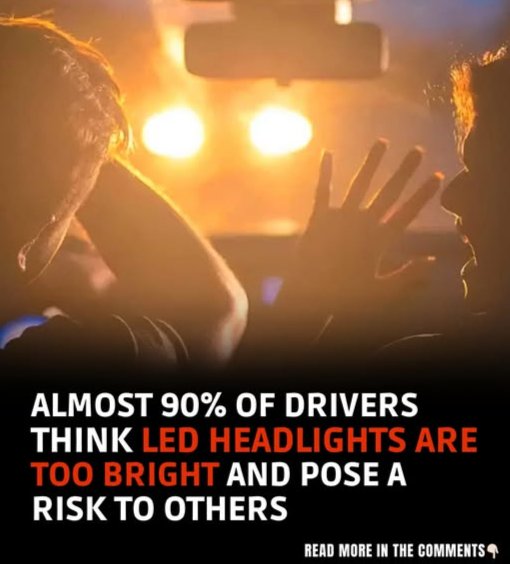
e glare hits you before you even fully register what’s coming. A sudden blast of white floods your windshield, your pupils fail to adjust fast enough, and for a terrifying split second, you’re driving half-blind at highway speed. Your grip tightens on the steering wheel. Your heart jumps. Instinct takes over as you slow down or avert your eyes, hoping the lane ahead is still clear. Drivers around the world are describing the exact same experience, again and again. This is no longer just about headlight being “too bright.” For many, it has crossed into something far more serious: a daily, unavoidable safety threat.
Vehicle electronics
As complaints pile up, frustration grows. Regulators hesitate, citing incomplete data. Engineers debate measurements, angles, and standards. Automakers defend designs that meet technical requirements on paper. Meanwhile, drivers keep asking the same unresolved question: how did something meant to improve safety make night driving feel more dangerous than ever?
were once hailed as a breakthrough. Compared to older halogen bulbs, they offered whiter light, better energy efficiency, and significantly longer lifespans. In theory, they allowed drivers to see farther and react faster. And for the person behind the wheel of a car equipped with LEDs, that promise often feels true. The road ahead appears crisp and sharply defined. Signs glow clearly. Dark stretches feel less intimidating.
But for everyone else—the oncoming driver, the person in the next lane, the driver in a lower sedan facing a lifted SUV—the experience is completely different.
The intense, blue-white light emitted by many LED systems is far harsher on human eyes, especially at night. When those lights are mounted higher on trucks and SUVs, or when they’re misaligned by even a small margin, the beam hits directly at eye level. The result is glare so strong it can cause squinting, headaches, slowed reaction times, and brief moments of disorientation. At 60 or 70 miles per hour, even a second of impaired vision is not trivial. It’s the difference between correcting your lane position and drifting. Between braking in time and reacting too late.
hat makes the situation more alarming is how common it has become. This isn’t a rare defect or an edge case. It’s a widespread, everyday experience for millions of drivers. Night driving, once merely tiring, has become stressful. Some people avoid driving after dark altogether. Others describe feeling tense every time headlights appear in the distance, bracing for the flash of light that will wash out the road ahead.