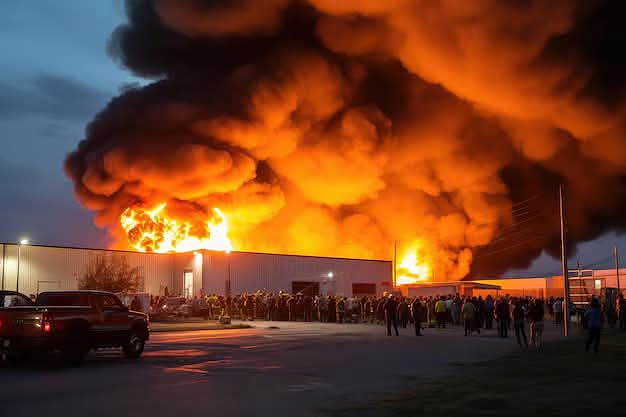

BREAKING – At least 300 homes estimated damaged or destroyed after large fire! See now!
A devastating fire tore through a densely populated hillside community in San Juan de Miraflores, Peru, on Saturday afternoon, leaving widespread destruction and hundreds of residents suddenly without homes. The blaze erupted in the Pamplona Alta sector, an area known for its tightly packed, largely improvised housing, where flames can spread with terrifying speed.
According to early assessments by local authorities and emergency services, at least 300 homes are believed to have been damaged or destroyed. While initial estimates varied widely—ranging from several dozen to over one hundred structures affected—officials later confirmed that the scale of the destruction was significantly larger as crews gained access to more areas and daylight revealed the full extent of the damage.
The fire began in the mid-afternoon and quickly grew out of control, driven by strong winds, steep terrain, and the highly flammable materials used in many of the homes. Sheets of plywood, plastic roofing, scrap wood, and other combustible materials allowed flames to leap rapidly from one structure to the next, creating a wall of fire that overwhelmed residents within minutes.
Firefighters from across Lima were dispatched to the scene, battling the blaze for hours under extremely difficult conditions. Narrow roads, limited access points, and the lack of formal infrastructure slowed emergency response efforts. Water supply issues further complicated containment, forcing crews to rely on tanker trucks and long hose lines stretched uphill through debris and smoke.
Despite the challenges, authorities reported later in the evening that the fire had been confined and was no longer spreading. However, containment did not mean resolution. Smoldering ruins, unstable structures, and lingering hotspots continued to pose risks, and firefighters remained on site through the night to prevent flare-ups.
Hundreds of families were forced to flee their homes with little more than the clothes they were wearing. Many residents described scenes of panic as they rushed to evacuate children, elderly relatives, and pets while flames closed in from multiple directions. Some attempted to salvage personal belongings, only to abandon them as smoke thickened and explosions echoed through the neighborhood.
Those explosions, captured in numerous videos shared on social media, raised immediate alarm. Authorities later confirmed that the fire appeared to have reached an illegal fireworks or pyrotechnics workshop operating within the residential area. Firefighters reported hearing repeated small detonations as the blaze intensified, suggesting the presence of explosive materials that significantly worsened the fire’s behavior.
Investigators have identified the clandestine pyrotechnics workshop as a likely point of origin, though officials stressed that the cause has not yet been formally determined. The presence of such a facility in a densely populated area has sparked renewed concern about safety enforcement and the risks posed by informal and unregulated industries operating within residential zones.
Local officials emphasized that the tragedy highlights longstanding vulnerabilities in hillside communities like Pamplona Alta. Many of these neighborhoods developed through informal settlement, without proper zoning, firebreaks, or access to essential emergency infrastructure. Over time, homes were built closer together, often using whatever materials were available, creating conditions where a single spark can escalate into a large-scale disaster.
Emergency shelters were quickly established in nearby schools and community centers to accommodate displaced residents. Aid organizations and municipal authorities began distributing food, water, blankets, and basic supplies, but the need far exceeds what has been immediately available. Many families have lost everything—homes, furniture, clothing, documents, and years of personal history reduced to ash.
Local government officials toured the affected areas as assessments continued, promising support and assistance for those impacted. Damage evaluations are ongoing, and officials have indicated that the final number of affected homes may rise as more comprehensive inspections are completed.
Residents, meanwhile, expressed a mix of shock, grief, and frustration. Some said they had long warned authorities about unsafe conditions and the presence of illegal activities in the area. Others spoke of the fear that now lingers, knowing how quickly their community can be consumed by disaster.
Firefighters reiterated the urgent need for improved prevention measures, including stricter enforcement against illegal workshops, safer construction practices, and better access routes for emergency vehicles. They also warned that similar neighborhoods across Lima face the same risks, particularly during dry and windy conditions.
As night fell over the charred remains of Pamplona Alta, families gathered around temporary shelters, sharing stories of escape and loss. The immediate danger may have passed, but the road ahead will be long. Rebuilding will require resources many residents do not have, and the emotional toll of displacement and uncertainty weighs heavily.
Authorities continue to investigate the fire’s origin while coordinating relief efforts. For now, hundreds remain without homes, relying on emergency aid and community solidarity as they begin to confront the aftermath of one of the most destructive fires the district has seen in recent years.