Loyalty is a word people use casually, but when you see it in its purest form, it stops feeling like a concept and starts feeling like something sacred. That’s exactly what happened one ordinary morning at an airport, when a single German Shepherd quietly reminded everyone watching what devotion truly looks like.
The airport was already alive before sunrise. Travelers rushed between terminals with carry-ons rattling behind them. Announcements echoed overhead. Lines formed at coffee counters, security checkpoints, and boarding gates. It was the familiar chaos of modern travel—people focused on destinations, delays, and deadlines.
Then something made them stop.
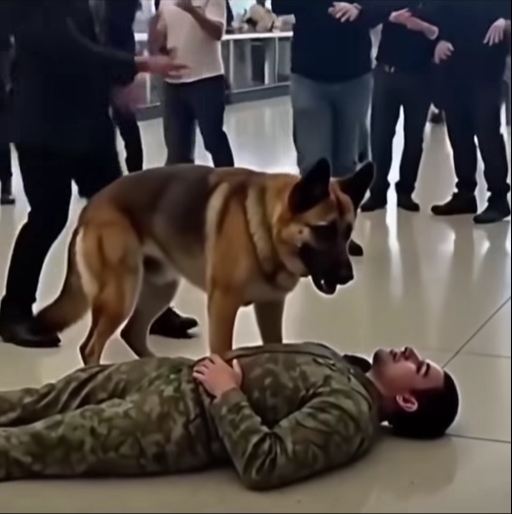
Near one of the terminals, a soldier lay stretched out on the floor, fast asleep. His uniform was slightly rumpled, boots still on, backpack tucked close to his side. The kind of exhaustion that doesn’t wait for a chair or a hotel bed had finally claimed him. And standing over him, unmoving, alert, and focused, was a German Shepherd in full military working dog gear.
The dog didn’t pace. It didn’t sit. It didn’t lie down.
It stood guard.
Passengers slowed as they passed. Some stopped completely. Phones came out, but not with the usual urgency for selfies or complaints. People filmed quietly, respectfully, as if they sensed they were witnessing something that deserved silence. The dog’s eyes tracked movement with calm precision, scanning the surrounding area, alert to every shift in the environment.
No one doubted what was happening.
The soldier needed rest. And the dog was making sure he got it.
Later reports explained that the soldier and the dog were part of a larger group of U.S. military personnel passing through Indianapolis Airport. Whether they were preparing for deployment or returning from a mission was never confirmed. What mattered was obvious: these men and women were running on empty, bodies and minds worn thin by responsibility most people never experience.
While several soldiers rested on the airport floor, benches, or against walls, this particular German Shepherd refused to relax. It stayed on duty, placing itself between its handler and the world.
The scene spread quickly online. Videos and photos circulated across social media, shared by travelers who couldn’t believe what they had seen. News outlets soon picked it up, not because it was dramatic, but because it was quietly powerful.
Military working dogs, especially German Shepherds, are trained for some of the most demanding roles imaginable. They detect explosives, track suspects, guard perimeters, and operate in environments that would overwhelm most humans. But what training alone cannot manufacture is the emotional bond that develops between a service member and their dog.
That bond is forged in shared danger, long hours, and complete mutual dependence.
For soldiers, these dogs are not equipment. They are partners. They are often the difference between life and death. And in return, the dogs give something rare—unquestioning trust.
Experts who work with military service animals often emphasize that their loyalty goes far beyond commands. These dogs learn their handler’s scent, posture, mood, and stress patterns. They sense when their human is struggling long before words are spoken. In high-stress environments, they provide not only protection, but grounding—a steady presence in chaos.
That’s what made this moment so striking.
The dog recognized something simple and deeply human: its soldier was exhausted. Vulnerable. Temporarily unable to protect himself.
So the dog did what it was trained to do, and what it chose to do.
It stood watch.
The surrounding airport noise didn’t distract it. Rolling suitcases passed inches away. Children stared. Adults whispered. Airport staff moved about their routines. The dog remained fixed in position, muscles ready, eyes sharp, posture disciplined.
This wasn’t performance. It was instinct refined by training and sealed by loyalty.
For many who saw the footage, the moment resonated beyond admiration for dogs. It highlighted something often forgotten: behind the uniforms are people carrying immense physical and emotional weight. Soldiers don’t turn off their exhaustion just because they’re in public. They don’t stop needing rest because they’re in transit.
And sometimes, the only thing standing between them and the world is a four-legged partner who refuses to let their guard down.
Stories like this go viral not because they’re rare, but because they remind people of something essential. Loyalty without expectation. Protection without recognition. Presence without conditions.
That German Shepherd didn’t know it was being filmed. It didn’t know millions would see it online. It wasn’t waiting for praise. It was doing its job—and honoring its bond.
In an age where attention is fleeting and sincerity is often questioned, moments like this cut through the noise. They don’t ask for interpretation. They don’t require debate.
They simply show what devotion looks like.
A tired soldier on a cold airport floor.
A German Shepherd standing watch.
And a room full of strangers quietly reminded that some bonds don’t need words, applause, or explanation.
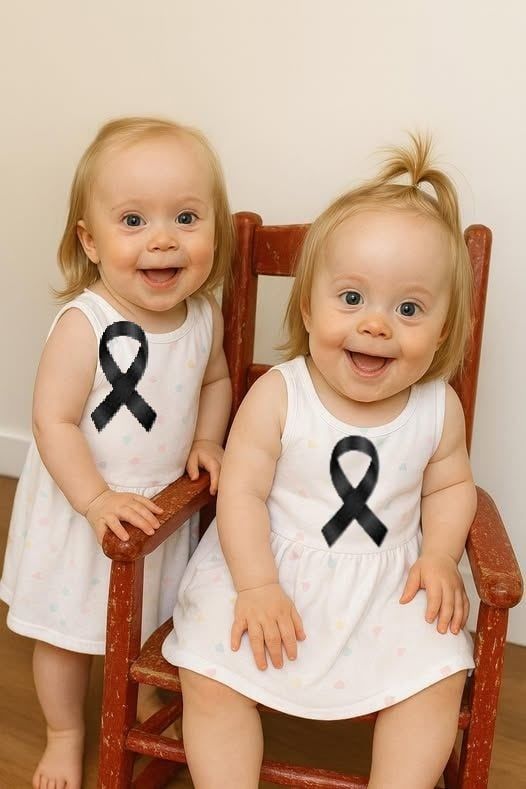
Earlier this week, a neighborhood was left in shock after a frightening incident nearly turned tragic. What began as an ordinary day quickly escalated when local residents noticed smoke rising near a parked car outside a family home. Initially, it seemed like a minor fire or a mechanical issue, but the situation quickly became alarming when it became clear that two very young children were inside the vehicle.
Authorities later confirmed that the children, both toddlers, had been placed in the car by their father, who then started a small fire nearby. The reasons behind his actions are still under investigation, but it was immediately clear that the children were in grave danger.
Neighbors acted instantly. Several ran to the car while others called emergency services. Some tried to open the doors, and one even used a fire extinguisher to control the flames while others created a safe distance around the vehicle.
Firefighters, police, and paramedics arrived within minutes. The emergency teams quickly put out the fire and safely removed the children. Fortunately, both toddlers were unharmed physically, though paramedics transported them to a medical facility as a precaution. Authorities emphasized that the prompt response of neighbors likely prevented a tragedy.
The father was taken into custody without incident. He appeared visibly distressed, and investigators are looking into his mental state, family situation, and any warning signs leading up to the event. Mental health professionals were involved to provide immediate support.
Family games
Following the incident, the children were placed in protective care to ensure their safety. Child welfare services are now overseeing their well-being while the investigation continues, including medical evaluations and assessment of next steps.
The neighborhood was deeply affected. Residents described the family as quiet and unassuming, and many expressed disbelief that such a dangerous situation could occur so suddenly. In the days after, neighbors gathered informally to discuss the event, comfort one another, and reflect on the importance of vigilance and community support.
Local officials praised the neighbors’ quick action and emphasized the value of community awareness during emergencies. They also highlighted the pressures many families face—stress, fatigue, financial challenges, or mental health struggles—and urged anyone feeling overwhelmed to seek help before reaching a crisis point.
Mental health experts stressed that seeking help is a sign of strength, not failure, and early intervention can prevent dangerous situations. Fire safety officials also reminded the public that even small fires near vehicles can escalate rapidly and encouraged residents to report hazards immediately.
Authorities continue to investigate the incident and have asked the public to avoid speculation. Their focus remains on ensuring the safety and well-being of the children and providing them with appropriate support.
Although the event left the community shaken, it also showcased the power of quick, collective action. What could have ended in tragedy instead resulted in the children being safe, thanks to alert neighbors and fast emergency response.
Local leaders continue to encourage open conversations about stress and mental health, hoping that this near-accident will foster greater awareness, support, and preventive measures for the future.
In the hushed, wood-lined waiting rooms of a modest suburban clinic, a peculiar medical case was quietly taking shape—one that would soon become the favorite topic of neighborhood gossip. It all began one Tuesday morning when Mrs. Higgins, an imposing eighty-year-old woman known for her razor-sharp wit and uncompromising morals, decided she could no longer tolerate a certain relentless discomfort.
Mrs. Higgins was widely respected as a model of propriety. She had lived her life with dignity, never married, and proudly declared herself a “maiden lady” in every possible sense. Yet for several days, she had been tormented by an unbearable itch in an extremely private area, one that no amount of talcum powder or medicated soap seemed able to calm.
Her first visit was to Dr. Miller, her trusted family physician of over thirty years. Calm and practical, he listened carefully as Mrs. Higgins described her symptoms with as much restraint as she could manage. After a brief examination, he adjusted his glasses and spoke gently but plainly. “Mrs. Higgins,” he said, “you appear to have pediculosis pubis—commonly known as crabs.”
Mrs. Higgins shot upright, clutching her purse defensively. “Crabs? Doctor, that is absurd! Such a condition belongs to the immoral and the reckless. I am eighty years old and a virgin. I have never even shared a milkshake with a man, let alone engaged in scandalous behavior. Your diagnosis is impossible.” With a dramatic huff, she stormed out, leaving the doctor staring after her in stunned silence.
Despite her stubborn pride, the itching refused to relent. Two days later, she sought a second opinion from Dr. Stevens, a younger physician with a reputation for modern thinking. Once again, she explained her situation, stressing her lifelong chastity. His conclusion matched the first. “The signs are textbook,” he said gently. “It’s likely crabs—possibly contracted from a towel or shared surface.”
Mrs. Higgins shot upright, clutching her purse defensively. “Crabs? Doctor, that is absurd! Such a condition belongs to the immoral and the reckless. I am eighty years old and a virgin. I have never even shared a milkshake with a man, let alone engaged in scandalous behavior. Your diagnosis is impossible.” With a dramatic huff, she stormed out, leaving the doctor staring after her in stunned silence.
Despite her stubborn pride, the itching refused to relent. Two days later, she sought a second opinion from Dr. Stevens, a younger physician with a reputation for modern thinking. Once again, she explained her situation, stressing her lifelong chastity. His conclusion matched the first. “The signs are textbook,” he said gently. “It’s likely crabs—possibly contracted from a towel or shared surface.”
“I don’t use public restrooms, and my towels are bleached beyond recognition!” she snapped. “I am an eighty-year-old virgin, and I will not be told otherwise.” She left with her chin raised high, though her restless tapping in the elevator betrayed her misery.
By the weekend, exhaustion and frustration had taken their toll. Desperate for answers, Mrs. Higgins made an appointment with Dr. Abernathy, a renowned specialist famous for solving unusual cases. Before he could greet her properly, she laid down her terms.
“I’ve already seen two incompetent doctors who insulted my character,” she declared. “I will not accept a diagnosis of crabs. It is morally and physically impossible. If you say otherwise, I will leave immediately.”
Dr. Abernathy smiled calmly. “Mrs. Higgins, medicine relies on facts, not assumptions. Let us examine the situation properly and discover the truth.”
Relieved to finally be taken seriously, she agreed. The examination was conducted with meticulous care. The doctor inspected closely, using magnification and patience, before stepping back and removing his gloves.
“Well?” she demanded anxiously. “Was I right?”
He nodded thoughtfully. “Yes, Mrs. Higgins. You were absolutely correct. You do not have crabs. Your virtue remains intact, and my colleagues were mistaken.”
She exhaled in profound relief. “Thank goodness! I knew it. But then what on earth is causing this dreadful itching?”
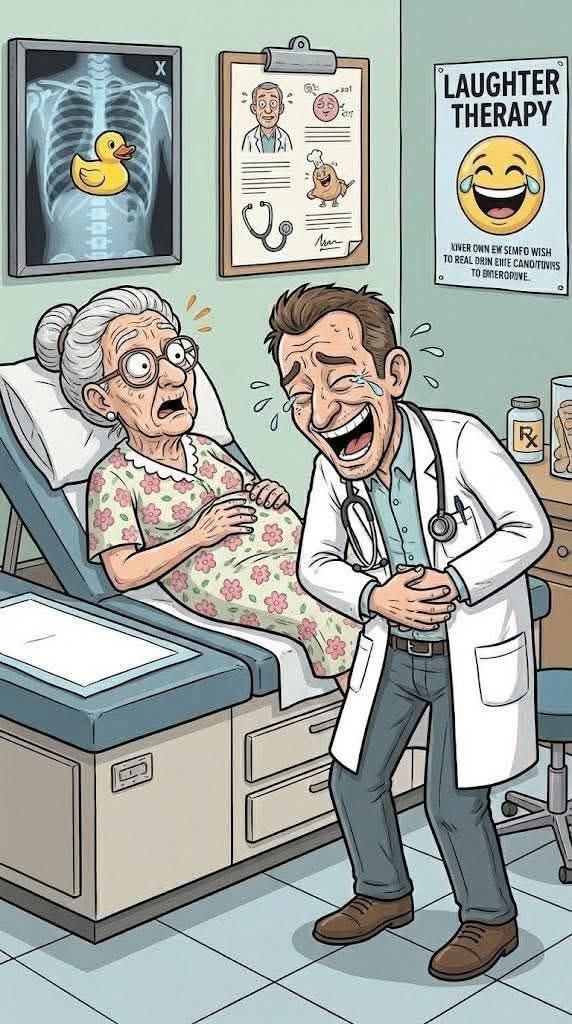
Dr. Abernathy leaned in, his face perfectly serious. “It’s quite rare,” he said, “but understandable. After eighty years of untouched preservation, the fruit has aged so thoroughly that it has begun to attract insects. Mrs. Higgins, you don’t have crabs—you have fruit flies.”
There was a stunned silence. Then Mrs. Higgins burst into laughter, the sound echoing through the hallway. After a lifetime of guarding her virtue, it had finally aged into something else entirely. She left the office armed with a prescription, a restored sense of pride, and a story she would one day delight her bridge club with—proof that even at eighty, life still has a sense of humor.
A fast-moving fire racing across a hillside has ripped through one of the area’s most vulnerable districts, leaving behind destruction that residents are only beginning to fully grasp. Initial estimates suggest that no fewer than 300 homes have been damaged or reduced to rubble, transforming once-busy neighborhoods into fields of ash, warped metal, and scorched ground. For hundreds of families, years—sometimes generations—of possessions were wiped out in just a few terrifying hours.
Fueled by dry weather, strong winds, and unforgiving terrain, the flames spread with alarming speed. Entire blocks vanished before many residents realized the danger they were in. Some fled with nothing but the clothes they wore. Others had only moments to gather children, pets, or a few essential items before evacuating. When the fire was finally brought under control, the scale of physical destruction was unmistakable, but the emotional damage ran even deeper.
Emergency shelters sprang up almost immediately in schools, community centers, and other temporary spaces. Gym floors filled with rows of mattresses. Volunteers handed out blankets, food, and water. Medical staff treated burns, smoke inhalation, and anxiety-related conditions, while counselors quietly sat with people still numb from shock. Though many had escaped safely, they now faced the reality of having nowhere to go.
In the first critical hours, officials focused on urgent priorities: confirming that evacuations were complete, locating missing residents, restoring essential services where possible, and preventing lingering hotspots from reigniting. Fire crews continued to patrol the charred hillsides, knowing that smoldering debris could easily spark new flames. Smoke lingered in the air, and ash settled over cars, streets, and homes that were still standing.
Once the immediate danger passed, however, a far longer and more complicated battle began.
For those who lost their homes, recovery involves far more than finding temporary shelter. Important documents were destroyed. Medications disappeared. Children’s schooling was disrupted. Jobs connected to home-based work or nearby businesses vanished overnight. Renters now face uncertainty about where they will live, while homeowners brace for insurance disputes that could drag on for months or even years.
The fire also exposed long-standing vulnerabilities that existed well before the first spark. Many of the damaged homes were built with materials highly susceptible to fire and packed closely together on steep hillsides with narrow access roads. Emergency crews struggled to move quickly through these areas. Residents had raised concerns about these risks for years; the disaster made those warnings impossible to dismiss.
Local leaders have since acknowledged that rebuilding cannot simply recreate what stood before. There is growing pressure to rethink zoning laws, building standards, and fire-prevention strategies in high-risk regions. Using fire-resistant materials, widening access routes for emergency vehicles, creating defensible space around homes, and investing in early warning systems are no longer optional ideas—they are urgent necessities.
Beyond physical infrastructure, the blaze revealed deep social and economic fragility. Many affected families were already living paycheck to paycheck, with little savings to absorb a disaster of this magnitude. Without long-term support, temporary displacement could become permanent. Recovery, in this sense, is not just about reconstruction, but about ensuring an entire community is not pushed out by catastrophe.
Neighbors who barely knew one another before the fire are now sharing meals, rides, and information. Local groups have mobilized volunteers to help sift through debris, recover what can be saved, and provide emotional support. Donation centers are overflowing with clothing, supplies, and offers of housing. Small gestures—a charged phone, a hot meal, a listening ear—have become vital sources of comfort.
Community leaders are urging action that extends beyond immediate relief. They emphasize that emergency aid must evolve into sustained investment: housing assistance, mental health care, rebuilding funds, and strict oversight to ensure help reaches those most in need. The true success of recovery will depend not on early promises, but on commitment in the months and years ahead
Environmental experts warn that fires of this scale are becoming more common and more destructive. Climate shifts, prolonged droughts, and continued development in fire-prone areas have created conditions where a single ignition can escalate rapidly into disaster. The lesson, they argue, is not just about faster response, but smarter planning and earlier prevention.
For residents standing amid the ruins of their homes, those broader discussions feel far away. Their losses are immediate and personal: a child’s bedroom reduced to charred beams, family photographs gone forever, a kitchen table that once hosted decades of shared meals now nothing but ash. Grief arrives in waves, mixed with exhaustion, anger, and fear of what lies ahead.
Still, many survivors speak with quiet resolve. They talk about rebuilding, preserving their community, and making sure this tragedy leads to real change rather than fading once headlines move on. They know recovery will be slow and uneven, but they also know that abandonment would be the deepest injustice.
As cleanup begins and damage assessments continue, the true measure of this disaster will be what comes next. If rebuilding efforts address the root causes—unsafe construction, weak infrastructure, and unequal access to resources—then some good may yet emerge from the devastation.
For now, the district grieves, leans on collective strength, and faces an immense road ahead. The fire is gone, but the real test remains: whether the response will rise to meet the scale of the loss, or whether those least able to recover will once again bear the heaviest burden.
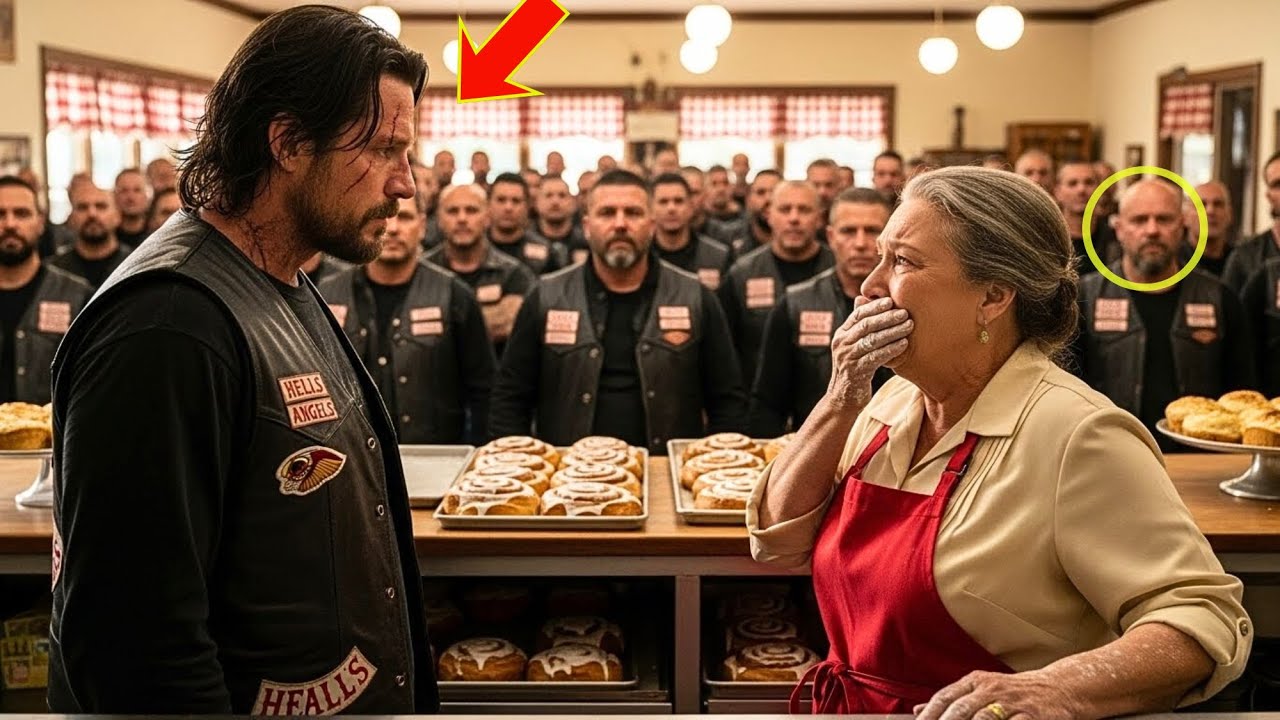
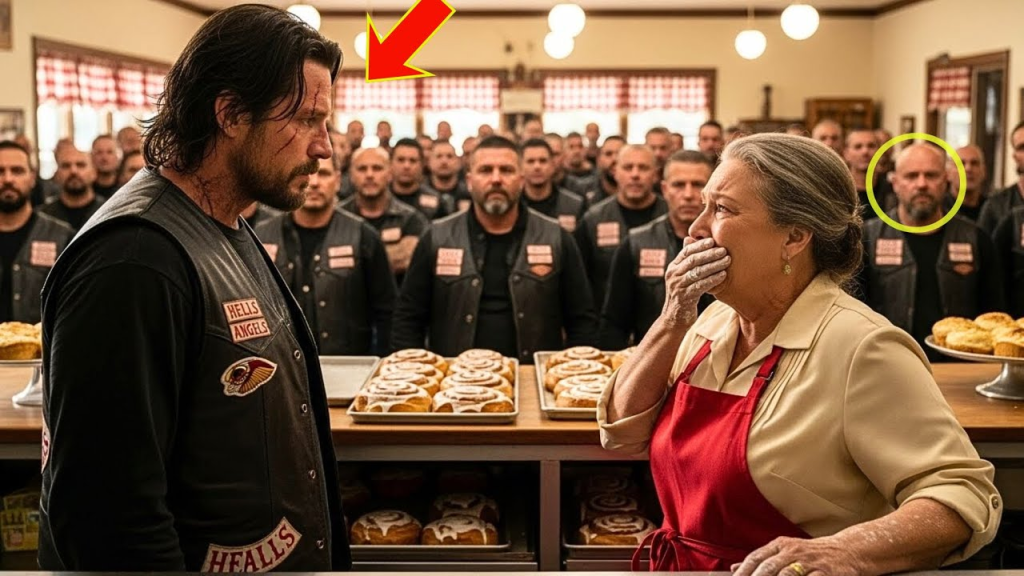
Diane Morris heard them before she saw them. 97 Harley-Davidsons rolling down Maple Street in formation, heading straight for her small bakery. The entire town of Milbrook froze. Hell’s Angels didn’t just show up in rural Pennsylvania. Not like this. Not 97 of them. Dian’s hands shook as she locked the register.
21 years ago, she’d fed a starving teenager with a black eye and a stolen jacket. She’d given him bread, asked no questions, told him he mattered. Then he vanished. Now the lead writer was removing his helmet. And when Diane saw his face, every single year collapsed into nothing. What she’d done for a broken boy was about to change everything.
If you love stories that remind you kindness never dies, would you take just a moment to hit that like button and tell us where you are watching from. If you believe these stories deserve to be heard, subscribe and share this with someone who needs hope today. It means the world. Welcome to Heart of Bikers. Let’s get started. The rumble started low, like distant thunder rolling across the Pennsylvania hills.
Then it grew louder, closer, a sound that didn’t belong in Milbrook on a Tuesday morning. Diane Morris was restocking the cinnamon roll display when Mrs. Patterson burst through the bakery , eyes wide, face pale. Diane, you need to see this. The 64year-old baker wiped her hands on her apron and followed her customer to the window.
What she saw made her blood turn to ice. motorcycles. Dozens of them. No, not dozens. She counted three rows, each stretching the length of Main Street. 97 Harley-Davidsons rolling toward her bakery in perfect formation. Chrome glinting in the morning sun. Leatherclad riders sitting tall in their saddles. Every single one wore the same patch on their backs.
The Hell’s Angel’s death’s head, skull grinning, wings spread wide. This didn’t happen in towns like Milbrook. Population 2400, one stoplight, free churches, a place where everyone knew everyone, where the biggest news was usually who won the pie contest at the county fair. The motorcycles pulled up outside Dian’s bakery and stopped.
The engines cut off one by one, and the sudden silence felt heavier than the noise. Dian’s hands found the edge of the counter and gripped it. Her register was open. She’d been in the middle of counting yesterday’s receipts. Through the window, she watched the lead rider dismount. Tall, maybe 6’2, weathered face, early 40s.
A scar ran from his left temple down to his jawline. He wore black leather from head to toe, his vest covered in patches she didn’t understand. When he removed his helmet, dark hair fell past his shoulders. He looked directly at the bakery, directly at her, and started walking toward the door. Behind him, 96 other men did the same. Diane’s mind raced.
What had she done? Who had she offended? She’d lived in this town for 43 years, ran this bakery for 25, paid her taxes, went to church, helped her neighbors. She wasn’t the kind of person who attracted this kind of attention. But then something flickered in the back of her memory. A different winter.
21 years ago, a boy with a black eye and empty stomach. A stolen jacket that looked just like the ones these men wore. She’d given him bread. She’d given him shelter. She told him something she couldn’t quite remember now, something that had made him cry. Then he’d vanished without a trace, and she’d spent years wondering if he’d survived.
The lead rider reached for the door handle. Diane’s heart hammered against her ribs. Every customer in the bakery had gone silent. Mrs. Patterson grabbed her purse like she was preparing to run. Old Mr. Henderson, who’d been reading his newspaper in the corner booth for the past 30 years every Tuesday morning, folded it slowly and set it down.
The door opened. The man stepped inside. He was bigger up close, broader. But his eyes, his eyes weren’t hard. They were searching, looking at her like he was trying to solve a puzzle. If you’ve ever wondered whether small acts of kindness really matter, stay with me, because what Diane did in 2003 is about to come full circle in a way she never imagined.
The man removed his sunglasses. His voice was deep, grally, but not unkind. “Dian Morris?” she nodded. Her throat had closed up. No words would come. He looked around the bakery slowly taking in every detail. The cinnamon rolls cooling on wire racks. The photographs on the wall, faded pictures of the grand opening of her late husband Tom standing proud in front of the storefront.
The chalkboard menu written in her careful handwriting. The red and white checkered curtains she’d sewn herself. The smell of yeast and sugar and coffee that had defined this place for a quarter century. You remember feeding a kid in 2003? His eyes came back to her face. 17 years old, beat to hell. No place to go.
Dian’s hand flew to her chest. The memory that had been flickering grew sharper, clearer. The boy, the January cold snap, the knock on the beforesunrise. You gave him bread, the man continued. His voice had softened. You gave him a place to sleep. You told him something he never forgot. Behind him, more men filed into the bakery.
They moved quietly, respectfully, but they filled the small space until there was barely room to breathe. Leather and denim, and the smell of road dust, tattoos covering arms, necks, hands, patches declaring chapters from cities she’d never been to. Faces that had seen hard living, hard years, hard choices. But none of them looked threatening.
They looked like men waiting for something important. Diane’s hands were trembling now. She pressed them flat against the counter to stop the shaking. “I remember,” she whispered. The man’s face changed. Something in his expression cracked open. “Good,” he said. “Because that kid never forgot you either.
” The other customers were frozen. Mrs. Patterson had her phone out, probably texting half the town. Mr. Henderson was staring with his mouth slightly open. A young mother with two children had pulled them close. Protective. Watching these strange men invade their quiet morning, but the man only had eyes for Diane. “What you told that boy,” he said, became the foundation of everything he built.
He paused, glanced at the men behind him. Then back to her. “But before I explain why we’re here, I need to take you back. Back to that winter, because you need to understand what you did and why it changed everything.” 21 years earlier, Diane Morris had been a different woman. Younger, yes, 43 instead of 64.
But more than that, she’d been hollowed out by grief, scraped raw by loss, barely holding herself together with routines and responsibilities, and the stubborn refusal to give up on her dead husband’s dream. Tom Morris died in November 2002. Construction accident, a scaffolding collapse on a job site in Harrisburg.
He was 45 years old. They’d been married 22 years. He died instantly, the doctors said. Didn’t suffer like that was supposed to make it better. The bakery had been his idea. Tom worked construction his whole adult life, but he’d always talked about opening a business, something they could run together, something they could leave to their daughter, Jenny, when they were gone.
In 1998, they bought the failing bakery on Main Street, poured their savings into renovations, and opened Diane’s Bakery the following spring. Tom did all the carpentry work himself. Built the display cases, the shelves, the counter, installed the industrial, painted the walls. His fingerprints were all over that building.
After he died, Diane thought about selling it. Walking away, what was the point of running a bakery alone, but Jenny was at Penn State sophomore year studying to be a teacher? The tuition wasn’t going to pay itself. The mortgage on the bakery wasn’t going to pay itself. The medical bills from Tom’s accident, even with insurance, weren’t going to pay themselves.
So Diane got up every morning at 4:00 a.m. She mixed dough. She baked bread. She made cinnamon rolls using Tom’s mother’s recipe. She opened at 6:00 and closed at 6 and pretended she was fine. The town knew better. Small towns always know. They saw the dark circles under her eyes. They saw how thin she’d gotten. They saw her sitting alone in the empty bakery after closing, staring at nothing.
But what could they do? They bought their bread. They offered their condolences. They told her if she needed anything, anything at all to just ask. And then they went home to their intact families and their living husbands and their uncomplicated grief-free lives. By January 2003, Diane had been running the bakery alone for 14 months.
Family games
She developed a rhythm. 4:00 a.m. wake up, shower, drive to the bakery in the dark, unlock the , turn on the , start the first batch of bread, cinnamon rolls next, then the pastries, coffee brewing by 5:30, lights on, door unlocked at 6 sharp. She could do it all in her sleep now.
Sometimes she wondered if she was sleeping. If this whole life was just a dream, she’d wake up from to find Tom alive. The accident, a nightmare, everything back to normal. The winter was brutal that year. Pennsylvania cold, the kind that seeped into your bones and wouldn’t let go. Temperatures dropped below 10° for two weeks straight.
The bakery’s heating system struggled to keep up. Diane wore layers, thermal underwear under her jeans, two sweaters under her apron. She kept the ovens running constantly just for the warmth. Behind the register, she taped a photograph of Tom, young Tom, 20some Tom, before the gray hair and the bad knee and the high blood pressure.
He was smiling in that picture. Really smiling. The kind of smile that made you want to smile back. She talked to that photograph sometimes late at night when she was cashing out. She’d tell him about her day, about the customers, about Jenny’s phone calls from college, about how tired she was, how lonely, how some days she wasn’t sure why she wasdoing any of this.
The bakery didn’t answer. Tom didn’t answer, but it helped somehow. Saying the words out loud, pretending someone was listening. She’d lost everything that mattered. Her husband, her partner, her best friend, the future they’d planned together, the retirement they’d been saving for, the grandchildren they’d hoped to spoil someday.
All of it gone in one November afternoon when a safety inspector had missed a faulty bolt and scaffolding came crashing down. So when the boy walked in that frozen January morning, when she saw something in his eyes, she recognized someone who’d been knocked down and wasn’t sure how to get back up, she made a choice.
Maybe it was because she couldn’t save Tom. Maybe it was because she needed to save someone, anyone, to prove that matching was still possible. Maybe it was just because Tom had always told her, “Feed first. Ask questions later.” Whatever the reason, Diane Morris opened that door and everything changed. The knocking started at 5:30 a.m.
Diane was elbowed deep in dough, kneading the second batch of bread when she heard it. Sharp, insistent, unusual. The bakery didn’t open for another 30 minutes. No one came by this early. She wiped her flowercovered hands on her apron and walked to the front, peering through the glass door. A boy stood outside. Teenager, maybe 17, maybe 18.
Hard to tell with the damage to his face. His left eye was swollen nearly shut, purple and black spreading across his cheekbone. His lip was split, crusted blood at the corner of his mouth. He wore a jacket two sizes too big. Black leather with patches she recognized. Hell’s Angel’s Prospect rocker across the top, Pennsylvania bottom rocker, death’s head center patch.
But it was his eyes, the right one still visible, that stopped her. Not angry eyes, not criminal eyes, just exhausted. The kind of tired that came from running too long with nowhere to run to. He wasn’t wearing gloves. His hands, pressed against the glass, were red from cold, knuckles bruised and scabbed. No hat. His hair, dark and shaggy, was dusted with frost.
The temperature outside was 12°. 12°. And this kid was standing at her door at 5:30 in the morning looking like someone had used his face for punching practice. Dian’s first thought was to call the police. Her second thought was Tom. Tom Morris had grown up rough. Foster care, group homes, juvenile detention for stealing a car when he was 16.
He’d turned his life around, but he never forgot where he came from. Never forgot what it felt like to be young and scared and convinced the whole world had given up on you. Feed first, he used to say. Ask questions later. You never know whose life you’re saving. She unlocked the. The boy flinched like he expected her to yell, to tell him to get lost, to threaten him.
Instead, she said, “Get inside before you freeze to death.” He hesitated, looked behind him like he was checking if someone was watching. Then stepped into the warmth of the bakery. Up close, he was worse than she’d thought. The jacket was definitely stolen. It hung off his thin frame, sleeves past his fingertips. His jeans were torn at both knees.
His sneakers had holes in them, no socks visible. He was shaking. Full body tremors. Hypothermia probably. I’m not here to rob you, he said. His voice was horsearo. I just I’m hungry. I can work. I’ll wash dishes, mop, whatever you need. I’m good with my hands. I can fix things. Diane noticed those hands again. The bruised knuckles, the split skin, the way they trembled.
Sit down, she said, pointed to the corner booth. Sit down before you collapse. He obeyed, moved like every muscle hurt, slid into the booth and wrapped his arms around himself, still shaking. Diane went to the kitchen. She didn’t think, didn’t weigh her options, just cooked scrambled eggs for eggs, butter, salt, pepper, bacon, six strips, crispy the way Jenny liked it, toast, wheat bread, fresh from yesterday’s batch, a mug of hot chocolate, extra marshmallows, and a cinnamon roll, still warm, glaze dripping down the sides. She brought it
all to the booth on Tom’s favorite serving tray, the blue one with the white rim. Set it in front of the boy. Eat,” she said. He stared at the food like he didn’t believe it was real. Then he picked up the fork and ate fast, desperate, like someone who hadn’t seen a meal in days. Diane turned away, gave him privacy, went back to her bread dough, but she watched him in the reflection of the display case glass.
He ate everything, every bite, licked the glaze off his fingers, drained the hot chocolate. When he finished, he just sat there staring at the empty plate, and then his shoulders started shaking. Not from cold this time. He was crying silently, tears running down his damaged face. “Thank you,” he whispered.
“Thank you.” Diane brought him a glass of water and sat across from him. “What’s your name?” He wiped his face with the back of his hand. “Jake.” She didn’t believehim, but she didn’t push. Where are you from, Jake? He shrugged around. The jacket caught her eye again. Hell’s Angels prospect patch. Either he’d stolen it or he’d been trying to join and it went wrong.
Either way, someone had beaten him badly. You have family? He shook his head, aged out of foster care 4 months ago. Been on my own since Dian knew that story. Tom had lived it. The system dumped you at 18 with nothing. No support, no safety net, no plan. Just good luck and don’t let the door hit you on the way out. Some kids made it. Most didn’t.
Family games
How long since you ate? She asked. Jake looked at his hands. Three days, maybe four. Three days. This child had been starving for 3 days. Diane made a decision. Maybe it was stupid. Maybe it was dangerous. Maybe it would come back to bite her. But Tom’s voice was in her head. Feed first. Ask questions later. I’ve got a storage room in back, she said.
There’s a space heater, some boxes, but I can clear space. It’s dry and it’s warm. You can stay there if you work. Wash dishes. Mop floors. Prep ingredients. I’ll pay you minimum wage and feed you three meals a day. Jake’s head snapped up. Why would you do that? Diane looked at Tom’s photograph behind the register.
Because it’s cold, she said. Because you’re somebody’s son. Because I can, Jake’s eyes filled again. I’ll work hard. I promise. I won’t steal. I won’t cause trouble. I know, Diane said, though she didn’t know. Not really. She was just choosing to believe. in the bakery. 21 years later, the lead biker reached up and unzipped his leather vest, pulled it off.
Underneath, he wore a black t-shirt. His arms were covered in tattoos. Full sleeves, both sides, intricate designs, skulls, and flames, and script she couldn’t read from this distance, but it was his chest that made Diane’s breath catch. Right over his heart, visible through the thin fabric of his shirt, was a tattoo of a cinnamon roll, perfectly detailed, golden brown swirls, white glaze dripping, and behind it, angel wings, enormous, spread wide, done in such fine detail, she could see individual feathers.
The man saw her staring. He smiled. It transformed his face, made him look younger, vulnerable. “You told me something that January,” he said quietly. The bakery had gone completely silent. Even the coffee maker had stopped gurgling. You said you matter, kid. The world beat you down. But that doesn’t mean you don’t matter.
Somebody should tell you that. Diane’s hand flew to her mouth. Those words. She’d said those exact words. Late one night when the boy Jake had been ready to give up. When he told her he had nothing, was nothing would always be nothing. She’d stopped what she was doing and looked him dead in the eye and told him he mattered. “Jake.
” Her voice cracked. The man’s smile widened. “My real name is Marcus.” “Marcus Cole.” “But yeah, I was Jake when I walked into your bakery 21 years ago. When you fed me. When you let me sleep in your storage room. When you paid me for work, I barely did. When you talked to me like I was a human being instead of garbage.
” He took a step closer. When you saved my life, Diane couldn’t breathe. Couldn’t think. This man, this tall, scarred, tattooed man, was the skinny 17-year-old boy she’d worried about for two decades. The one who’d left a note and vanished. The one she’d prayed for. The one she’d hoped had found his way.
You’re alive, she whispered. You’re alive. Marcus nodded. Because of you. The other bikers were watching. 96 men crowded into her small bakery witnessing this moment. Some of them had tears in their eyes. hard men, roadworn men, men who’d seen things and done things and survived things. And they were crying. If you believe in the power of second chances, hit that subscribe button because Marcus’ story is about to show you what happens when someone sees worth in the broken.
Trolls won’t understand this, but you will. I’ve been looking for you for 3 years. Marcus said, “We’ve been looking for you, all of us, and we finally found you because we needed to say thank you. We needed to show you what you built. We needed you to see what happens when one person chooses kindness. Marcus gestured to the men filling the bakery.
These are my brothers. Hell’s Angels. East Coast chapters. 97 of us. Diane looked at them with new eyes. They weren’t threatening. They were reverent. Standing in her bakery like they were in church. We rode here from eight different states. Pennsylvania, New York, New Jersey, Maryland, Virginia, Ohio, West Virginia, Massachusetts.
Some of these guys left at 4:00 a.m. yesterday, rode through the night because I told them about you, about what you did, about the woman who fed a starving prospect and asked no questions. Diane’s mind was spinning. 97 97 men had ridden hundreds of miles to her bakery. For her, because of a kid she’d helped two decades ago.
I don’t understand, she said. Why? Marcus’s expression turned serious. That winter in 2003, I was running from a bad club.Wannabe 1enters, not real Hell’s Angels. They recruited kids out of foster care. Promised family, promised belonging, then used us as drug mules, beat us when we didn’t comply.
I tried to leave and they nearly killed me. I stole that prospect jacket off a clothesline because it was the only warm thing I could find. I’d been on the streets for 4 months. He paused. Looked down. I was done, Diane. That morning, I knocked on your. I was done. I decided that day was my last day. I was going to walk into the woods outside town and not come back.
I knocked on your bakery because it was the only place with lights on. I thought maybe, maybe I could steal some food, get one more meal before I ended it. The words hit Diane like a physical blow. He’d been planning suicide. This boy, this child, but then you opened the door, Marcus continued, “You didn’t call the cops. You didn’t chase me off.
You fed me. You looked at me like I was worth feeding. And that broke something open. Something I’d shut down after my mom died. He rubbed his face. The scar on his temple caught the light. You let me stay for 2 weeks. You paid me. You talked to me. You told me about your husband, about grief, about choosing to keep going even when everything hurt.
You gave me permission to be broken. And then you gave me permission to heal. You told me I mattered. And nobody nobody in my entire life had ever said that to me. and meant it. The bakery was so quiet, Diane could hear the clock ticking on the wall. When I left, Marcus said, “I kept your business card.
I kept it in my wallet for 16 years until it disintegrated. I swear I’d find you again. I’d come back when I’d done something worth showing you. When I’d become someone worth knowing, but life happened. I got sober. I prospected for a real charter. I earned my patch legitimately. I built a business. I built a life.
And the years kept passing. I kept meaning to come back. Kept meaning to find you, but I was scared. Scared? Diane’s voice was barely audible. Marcus nodded. Scared you’d be disappointed. Scared I hadn’t done enough. Scared you wouldn’t remember me. But then last year, one of my brothers asked me why I started the foundation.
Why I cared so much about lost kids. And I told him about you. And he said, “Brother, you need to find that woman. You need to show her what she built.” The first few days, Jake barely spoke. He worked like someone terrified of being kicked out. Up before Diane arrived, already sweeping when she unlocked the door at 4:30 a.m.
He washed every dish twice. Mopped the floors until they gleamed. Organized the storage room with a precision that surprised her. He ate what she gave him. Always said thank you, then disappeared into the back room. She’d hear him moving around late at night, restless, unable to settle. On the third day, he fixed the .
Diane had been meaning to call a repair guy for weeks. The temperature gauge was wonky, running 20° too hot, burning the bottom of her bread. She’d adapted, learned to compensate, but Jake noticed. Didn’t ask permission. Just took the panel off and started troubleshooting. 2 hours later, the oven was running perfectly. How’d you learn to do that? Diane asked.
He shrugged. Foster Homes. You fix things yourself or they stay broken? Learned plumbing, electrical, carpentry. Whatever kept me useful, useful like his value was determined by what he could provide. Diane recognized that mindset. Tom had been the same way. Week one turned into week two. The bruises on Jake’s face faded from purple black to yellow green.
He started eating more, filling out. The constant shaking stopped. He slept through the night instead of startling awake every hour. Diane found herself looking forward to the quiet companionship, having someone in the bakery who needed her, who gave her purpose beyond just going through the motions. She told him about Tom late one night while they were cleaning up, about the construction accident, about the scaffolding that wasn’t inspected properly, about the funeral where half the town showed up because Tom Morris knew everybody and everybody liked him,
about the crushing weight of trying to keep the bakery running alone. He was a good man, she said, wiping down the counter for the third time. Grew up rough like you. Made something of himself. Always said people weren’t disposable. Said everybody deserved a shot. Jake was quiet for a long moment. Then my mom died when I was 9. Overdose.
Found her in the bathroom. Called 911, but she was already gone. Diane’s heart broke. 9 years old. I’m sorry, she said. That’s too young. Too much to carry. He nodded. kept washing dishes, foster care after that. 11 different homes in eight years. Some were okay. Most weren’t. Aged out at 18.
They give you a trash bag of clothes and a bus ticket and say good luck. That’s it. No family, no support, no plan. Diane set down her rag. What about the jacket? The Hell’s Angels patch. His jaw tightened. Metsome guys outside Pittsburgh. They said they were Hell’s Angels. Said they’d take care of me. Give me family. Turned out they were wannabes.
Family games
Small-time dealers using the name. They wanted drug runners. I said no. They beat me. I ran. Stole the jacket off a line because winter was coming and I didn’t have a coat. He touched the split in his lip. Already healing. They caught up with me in Harrisburg. Did this. Told me next time they’d kill me. So I kept running.
The conversation that changed everything happened on day 13. Jake was frustrated, angry at himself. He dropped a tray of cooling bread, ruined six loaves. It was an accident, but he was spiraling. “I’m worthless,” he muttered, cleaning up the mess. “Can’t do anything right. Can’t keep a job. Can’t stay in one place.
Can’t even carry a damn tray without screwing it up. Diane stopped what she was doing.” Walked over. Made him look at her. Listen to me. The world beat you down. I get it. Life dealt you garbage cards. Your mom dying. Foster care failing you. men who should have protected you hurting you instead. But that doesn’t erase your value.
You matter, Marcus. He blinked. My name’s Jake. No, she said softly. Your name’s Marcus. You told me 3 days ago when you were half asleep, you called yourself Marcus, so I’m calling you Marcus. And I’m telling you that you matter. You matter because you’re here. Because you’re trying. Because underneath all that pain, there’s a good kid who deserves a shot.
Tears welled in his eyes. Nobody’s ever said that to me. Diane’s voice was fierce. Then they were wrong. Every single person who made you feel like you didn’t matter was wrong. She sat across from him in the booth. The same booth where she’d fed him that first morning. You think I kept you here because I needed the help? Honey, I’ve been running this bakery alone for over a year. I can manage.
I kept you here because I needed someone to help more than I needed help. You gave me purpose when I lost mine. You gave me a reason to get up in the morning beyond just routine. So don’t you dare tell me you’re worthless. You saved me as much as I saved you. Marcus broke completely sobbed like the child he still was. Diane didn’t hug him since he wasn’t ready for that.
But she sat with him, handed him napkins, let him cry until there was nothing left. When he finally looked up, eyes red and swollen, she spoke again. Tomorrow you’re going to wake up and choose. Stay broken or start building. I can’t make that choice for you. But if you choose to build, I’ll help however I can.
That conversation lasted 17 minutes, but it gave Marcus a foundation he’d spend the next 21 years building on. 3 days later, he left. Diane found the note at 5:00 a.m. tucked under the register. You saved my life. I’m going to make you proud. I’ll find you again when I’ve done something worth showing you.
She kept that note in a drawer for two decades. Never threw it away. Never stopped hoping he was okay. The morning Marcus left, Diane arrived at 4:00 a.m. to find the storage room empty, clean, organized better than it had been before he arrived. The space heater was unplugged and pushed against the wall. The blankets were folded.
His few possessions were gone. For a moment, panic seized her. Had something happened? Had the men who had heard him found him? Then she saw the envelope on the counter, her name written in careful block letters. Inside was the note and $200 cash. every cent she’d paid him, plus the 20 extra she’d slipped into his last paycheck. He’d left it all.
Diane’s hands shook as she read his words. “You saved my life. I’m going to make you proud. I’ll find you again when I’ve done something worth showing you. Thank you for seeing me. Thank you for feeding me. Thank you for telling me I matter. I’ll never forget.” Marcus, she cried into her coffee that morning. Cried while she mixed dough.
Cried while the first batch of bread baked. Mrs. Patterson came in at 6:30 and found her redeyed and exhausted. You all right, honey? The older woman asked. Diane nodded, lied, just tired. She wanted to tell someone about Marcus, about the boy she’d helped about the hope she had that he’d be okay.
But what if she was wrong? What if he didn’t make it? What if telling the story jinxed it somehow? So, she kept it to herself. Kept his note in a drawer. Kept his business card, the one she’d written her number on, tucked in the register, hoping he’d call. He never did. Days turned to weeks. Weeks turned to months.
Diane went back to her routine. Baking bread, serving customers, keeping Tom’s dream alive. She thought about Marcus often, wondered if he’d found work, if he was eating enough, if he was safe. She prayed for him, though she wasn’t particularly religious. just sent hopes out into the universe that whoever was listening would look after him.
Jenny came home from college for spring break and noticed something different. “You seem lighter, Mom,” she said. Diane smiled.”Maybe I am.” She didn’t explain, couldn’t explain, but Marcus had given her something. Purpose, hope. The reminder that kindness mattered, that she mattered. That Tom’s philosophy, feed first and ask questions later, could change lives.
She just never imagined how many lives. or that 21 years later, Marcus would bring 96 brothers to her to prove it. After I left, Marcus said, standing in the center of Diane’s bakery. I went to Pittsburgh, got work on a construction crew, under the table, cash pay, no questions asked. I was good with my hands, like I told you.
Framing, electrical, plumbing, worked 12-hour days. Slept in a room I rented week to week. Saved every dollar. Started thinking maybe I could make it. Maybe you were right. Maybe I mattered. He smiled at the memory. Then I met Dutch. One of the bikers, an older man with a gray beard down to his chest, raised his hand. That’s me, he said.
His voice was surprisingly gentle. Dutch Keller, Pittsburgh charter. Marcus gestured to him. Dutch was working the same site. Vietnam vet. Hell’s Angel since 1973. He saw me eating lunch alone one day and sat down, started talking, found out I was 18, living alone, had nobody. He didn’t pry, didn’t judge, just talked. And when the job ended, he gave me his card, said, “If I ever needed anything, call.” Dutch spoke up.
Kid was sleeping in a room with no heat. Winter in Pittsburgh. I couldn’t let that go. Marcus continued, “6 months later, I took him up on it. Called Dutch, asked if he knew anyone hiring. He said, “Better than that. Come prospect for us. Real Hell’s Angels, not the trash you ran from.” I almost said, “No, the trauma from the wannabe club, it was still raw.
But Dutch promised me this was different. Real brotherhood, real loyalty, real family.” He paused, looked at Diane. Everything you taught me about value, about deserving a shot. I held on to that. So I said, “Yes.” Prospected for 2 years, 2003 to 2005. Earned my patch legitimately. Proved I had character. Proved I had heart.
Family games
Became a full member at 20 years old. The pride in his voice was unmistakable. Worked legitimate jobs. Mechanic. Walder. Eventually opened my own custom motorcycle shop in 2009. Built it from nothing. Called it Second Chance Cycles. Dian’s throat tightened. Second Chance. The shop did well. Marcus said really well.
high-end custom builds, celebrity clients, magazine features. But the whole time, I couldn’t stop thinking about what you told me, that I mattered, that broken doesn’t mean worthless. So, I started bringing in kids, kids aging out of foster care, street kids, kids everybody else had given up on. I taught them mechanics, gave them work, paid them fair wages, treated them like humans.
Another biker stepped forward, younger, maybe mid-30s, with kind eyes. I’m Tommy. Marcus hired me eight years ago. I was 25, fresh out of prison. Nobody would touch me. He gave me a shot. Now I run my own shop in Baltimore. I prospect for the club because of him. Marcus put a hand on Tommy’s shoulder. Tommy wasn’t the first, wasn’t the last.
Over 15 years, I’ve hired maybe 60 kids. Some didn’t make it, some couldn’t handle it, but some some became incredible. Mechanics, welders, shop owners, hell’s angels. Every one of them heard the same thing I heard from you. You matter. He pulled down his t-shirt collar showing more of the cinnamon roll tattoo.
Got this in 2006, 3 years after I left your bakery. The artist thought I was crazy. A cinnamon roll with angel wings. But I told him the story about the woman who fed me. About the cinnamon rolls every morning. About how it was the first time I felt like someone cared if I lived or died. He did it for free.
said it was the most beautiful thing he’d ever heard. Diane was crying now. Couldn’t stop. Tears running down her face, dripping onto her apron. I didn’t do anything special, she whispered. Marcus shook his head. You did everything. You saw value in nothing. You gave hope to the hopeless. You saved a life that went on to save 60 more.
And those 60 will save 600. And those 600 will save 6,000. Because kindness doesn’t end, Diane. It multiplies. Comment, “Second chances matter if you believe broken people can build beautiful things because what Marcus built next is going to blow your mind.” 10 years ago, Marcus continued, “I started something bigger, something that would have made you proud, something that’s going to change your life today.
” Marcus pulled out his phone, tapped the screen, brought up a website, turned it to Face Diane. The header read Second Wind Foundation, established 2014. Below it, photographs, kids learning to weld, kids in classrooms, kids in transitional housing, kids smiling, thriving, alive. This is what I built, Marcus said. With Dutch’s help, with my chapter’s help, with chapters across the East Coast, a foundation that helps kids aging out of foster care.
We give them housing, job training, mentorship, therapy, everything I didn’t have, everything youtried to give me. Diane stared at the screen at the faces of teenagers who looked like Marcus had looked lost, scared, hoping for something better. “We’ve helped over 400 kids in 10 years,” Marcus continued. 400 kids who aged out of the system with nothing.
We gave them something, a place to land. People who gave a damn. And you know what? We tell every single one of them. We tell them what you told me. You matter. The world beat you down, but that doesn’t mean you don’t matter. He scrolled through the website. Success stories. A girl named Maya, now a nurse. A boy named Dante, now a welder.
A non-binary kid named River, now a graphic designer. Faces, names, futures that almost didn’t happen. Every single one of these kids knows about you. Marcus said, “I tell your story at every intake about the woman in Pennsylvania who fed a starving prospect, who asked no questions, who saw value in nothing. Your story is the foundation story.
The reason we do this, Diane couldn’t speak. Her hands covered her mouth. The magnitude of it, the ripple effect of feeding one boy 21 years ago was too much to process. Marcus gestured to the 96 men filling the bakery. You want to know why there’s 97 of us here. His voice rose, filling the space. Because I told your story at a regional meeting last year.
Told them about you, about what you did. And 72 of these men raised their hands. 72 said they had similar stories. Someone who helped them when they had nothing, a meal, a place to stay, a kind word, someone who saw them when they were invisible. One by one, men started speaking. Quick testimonies, voices rough with emotion.
Woman in Delaware gave me a job when I got out of prison. Man in New York let me sleep in his garage for 3 months. Teacher in New Jersey paid for my GED test. waitress in Maryland fed me breakfast every day for a week when I was homeless. On and on. Stories of strangers who’d shown kindness to broken boys who grew up to be hell’s angels, who became brothers, who became men who paid it forward.
“We’ve been looking for you for 3 years,” Marcus said when the last man finished. You moved, sold your old house, changed your phone number, deleted your Facebook. We hired a private investigator. Finally tracked you through property records. Found out you still own this bakery. So we planned this.
All 97 of us rode from eight states. Pennsylvania, New York, New Jersey, Maryland, Virginia, Ohio, West Virginia, Massachusetts. Left at different times. Met up outside town. came in together because we needed to do this right. Diane found her voice. Do what right. Marcus’s expression turned serious, purposeful. Three things. First, to say thank you on behalf of every kid you ever helped, every meal you ever gave, every kind word.
Thank you. You changed my life. You changed 400 lives. You changed the lives of everyone in this room. We rode here to say thank you in person, to show you that kindness ripples. that one person choosing to see value can change the world. He continued second to introduce you to the family. Every man in this room is part of Second Wind Foundation.
Family games
Either as a mentor or as someone who came through the program. We wanted you to meet them to see what you built to understand that you’re not just some woman who ran a bakery. You’re the reason 400 kids have futures. The men nodded. Some wiped their eyes. Hard men, dangerous men, men who’d lived rough lives.
and they were crying in a small town Pennsylvania bakery because of a widow who’d fed a homeless kid. And third, Marcus said, reaching into his vest pocket, pulling out a thick envelope to present you with something, something that’s going to change your life, something you absolutely deserve, something that will let you keep doing what you do best, seeing value in people everyone else overlooks.
He handed her the envelope. Heavy official looking. Diane’s hands shook as she took it. What is this? she asked. Marcus smiled. That same vulnerable smile from when he was 17. “Open it,” he said. “Because what’s inside is going to show you what 400 kids, 97 Hell’s Angels, and one grateful man think you’re worth.
” But before Diane could open it, the bakery opened again. Someone else walked in. Someone Diane didn’t expect. Someone who made Marcus turn and smile. “Perfect timing,” he said. And Diane’s heart stopped when she saw who it was. The young woman was in her mid20s. Nervous eyes. She held a baby on her hip, maybe 6 months old, wearing a pink onesie.
She looked around at the 97 bikers and froze. Marcus waved her forward. It’s okay, Sarah. Come in. This is her. This is Diane. The woman, Sarah, took a tentative step inside. The baby gurgled, reached for the cinnamon rolls in the display case. Sarah smiled despite her nerves. Mrs. Morris? Her voice was soft, uncertain. I’m Sarah. Sarah Freriedman.
Diane shook her head. I’m sorry. I don’t think we’ve met. Sarah’s eyes welled up. No, we haven’t. But you knew my brother.2008. He was homeless, addicted, trying to get clean. You gave him day old bread every morning for 2 months. You never asked for anything. Just handed him a bag through the back door before you opened. The memories surfaced slowly.
A kid early 20s. track marks on his arms, hollow eyes. He’d knocked on the back door one morning. Asked if she had any old bread, anything she was going to throw away. She’d been throwing away day old bread for years. Health regulations, but it was still good, still edible. So, she started saving it for him.
I remember, Diane said quietly. Blonde hair. Finn told me his name was Chris. Sarah nodded, tears spilling over. Christopher Freriedman, my older brother. He died for years ago. overdose. He’d been clean for 18 months. Longest stretch of his life, but he relapsed. One time it killed him. The words hung in the air.
Another life lost. Another family broken. I’m so sorry, Diane whispered. Sarah shook her head. Don’t be sorry. Those 18 months, he was himself again. He got an apartment, a job. He called me. We talked. He told me about you. about the woman at the bakery who treated him like a person, who didn’t judge him, who fed him when he was starving.
She shifted the baby to her other hip. He said, “You saved his life.” That those two months of knowing someone cared, it gave him the strength to try rehab. He went, he got clean. And even though he didn’t stay clean forever, he had 18 good months. 18 months where he was my brother again, where I got to know him, where he got to be human.
That’s because of you, Dian’s heart achd. I wish I could have done more. Sarah smiled through tears. You did enough. More than enough. And that’s why I’m here. She looked at Marcus. I found the Second Wind Foundation on social media. 2 years ago, I was pregnant, alone, terrified. My boyfriend left. My family, they’d cut me off because of Chris’s addiction.
I had nothing. The foundation helped me, gave me a place to stay, helped me get my GED, found me job training, childare. Now I work as a medical assistant. I have my own apartment. I’m raising my daughter. I’m stable and it’s because of the foundation Marcus built. The foundation you inspired. The baby reached for Diane. Sarah laughed.
She likes you. Diane took the baby without thinking. Held her close. Smelled that sweet baby smell. The child grabbed her apron strings and smiled a gummy smile. Her name’s Diane. Sarah said quietly. I named her after you. After the woman who saw my brother as human, who gave him dignity when he had none, I’ll never be able to thank you enough.
But I can make sure she knows who you are. Make sure she knows kindness matters.” Marcus let Diane hold baby Diane for a long moment. “Let the weight of it settle.” Then he gently took the envelope from where she’d set it on the counter and held it out again. “Sarah isn’t the only one here because of you,” he said.
“There are 17 people in this bakery right now who were directly impacted by your kindness.” 17 people whose lives changed because you chose to see them, to feed them, to tell them they mattered. He pressed the envelope into her free hand. Open it. Diane juggled the baby and the envelope. Mrs.
Patterson came over, arms outstretched. Here, honey, let me hold her while you look. Diane handed over baby Diane and opened the envelope with shaking hands. Inside, legal documents, financial statements, photographs of a building. Her breath caught. The first document was a deed. Commercial property, downtown Pittsburgh, three stories, brick facade, beautiful architecture, and at the top in bold letters, property owner Diane Morris.
She looked up, confused. What is this? Marcus stepped closer. We bought a building. 72 Hell’s Angels chapters pulled money. Corporate sponsors, private donations, $3.2 million. We bought a building in Pittsburgh and it’s yours. Diane’s knees went weak. Mr. Henderson jumped up, brought her a chair. She sat down hard.
I don’t understand. Marcus knelt beside her, looked her in the eye. We’re opening the Dian Morris second wind center, housing for kids, aging out of foster care, job training, counseling, everything in one place. First floor, vocational training, mechanics, welding, carpentry. Second floor, transitional housing, 12 beds.
third floor counseling center and administrative offices. Diane stared at the papers at her name on the deed. But I can’t. I don’t know how to run something like that. Marcus smiled. You already did right here. For 25 years, you ran a place where broken people felt safe, where they were fed, where they were valued. That’s the program.
Everything else is just logistics. You pulled out more papers. We’ve hired staff, a director, counselors, vocational instructors. But here’s the thing, Diane. We don’t want you to just own it. We want you to run it. Be the heart of it. Do what you do best. See people. Feed them. Tell them they matter. Diane couldn’t breathe.
Couldn’t think. The magnitude of what they wereasking, what they were offering was crushing. I can’t, she whispered. Marcus squeezed her hand. Yes, you can. Diane sat down at one of the bakery tables. Her legs wouldn’t hold her anymore. The envelope lay open in front of her. Papers spread across the surface like evidence of something impossible.
97 Hell’s Angels stood watching, waiting. She felt the weight of their expectation pressing down on her shoulders like a physical thing. “I can’t,” she said. Her voice was small, weak. “I can’t do this. I’m just a baker. I don’t know how to run a program like that. I don’t know anything about transitional housing or job training or counseling.
I make cinnamon rolls. That’s what I do. Marcus pulled out a chair and sat across from her the same way she’d sat across from him 21 years ago when he’d been falling apart in this very booth. You already did, he said quietly. Right here for 21 years. You were in a program. You just didn’t call it that.
Diane shook her head. I gave you some bread and a place to sleep. That’s not running a program. Marcus leaned forward. You saw me. That’s the program. Everything else is just logistics. Buildings, budgets, staff. Those are details. The heart of it is seeing people, valuing them, telling them they matter. You already know how to do that.
Dutch, the veteran with the gray beard, stepped forward. His voice was gentle but firm. Ma’am, you taught this man to see value in broken things. He taught us. We teach the kids. That’s the program. That’s all it ever was. One person seeing another person and deciding they’re worth the effort. Another biker spoke up.
Jesse, a road captain with kind eyes and a scar across his throat. I mentor six kids right now through the foundation. Learned everything I know from Marcus. He learned it from you. I tell those kids the same thing you told him. You matter. And you know what? Three of them are thriving now. One’s in college. One’s working construction.
One’s about to prospect for my chapter. Tommy, the young biker who’d spoken earlier, moved closer. Mrs. Morris, I was one of those kids. Two years ago, aged out of foster care with $300 and a garbage bag of clothes. The foundation took me in. Marcus taught me to weld, gave me a job, treated me like I had value.
Now I run my own shop in Baltimore. I’m Patchton. I have brothers. I have a life. That’s because Marcus saw me the way you saw him. You started this. You just didn’t know it. One by one, other men shared quick stories. Fragments of lives changed by strangers who’d shown kindness. A woman in Delaware, a man in New York, a teacher, a waitress, a mechanic.
People who’d seen value in nothing and changed everything. Diane listened to them all. Heard the pattern, the thread connecting every story. Someone cared when no one else did. Someone saw them when they were invisible. Someone shows kindness when it would have been easier to look away. But the fear was still there, coiled tight in her chest.
“What if I fail?” she asked. Her voice cracked. “What if I can’t do what you think I can? What if I let those kids down? What if I’m not enough?” Marcus reached across the table and took her hand. His grip was strong, steady. You think I wasn’t terrified when Dutch invited me to prospect? You think I didn’t lie awake at night wondering if I’d screw it up? You think those first kids I tried to help didn’t scare me to death? I had no idea what I was doing.
I just knew what you’d done for me and I tried to do the same thing. He held her gaze. You told me something else that night when I was sitting right here convinced I was worthless. You said, “Tomorrow you wake up and choose. Stay broken or start building. I can’t make that choice for you. Remember?” Diane nodded. She remembered.
I’m asking you to choose, Diane. You can stay here. Keep running this bakery. A quiet life. There’s no shame in that. Where you can build something, something that will outlive you. something that will save kids who are sitting in storage rooms right now wondering if they matter. I can’t make that choice for you.
But I can tell you that you’re capable, that you’re exactly who those kids need, that you’ve been doing this work your whole life without knowing it. Before Diane could answer, the bakery flew open. A woman pushed through the crowd of bikers, eyes wild with worry and confusion. Mom Jenny Morris shoved past two bikers who quickly stepped aside.
She was 43 now, a teacher at Milbrook Elementary, still living 20 minutes outside town with her husband and two teenagers. Mrs. Patterson had called her 10 minutes ago, breathless and dramatic, saying Hell’s Angels were surrounding the bakery, and Diane was crying. Jenny had left school mid lesson, driven like a maniac, expecting the worst.
What the hell is going on? Are you okay? Did they hurt you? She stopped when she saw her mother’s face. Not hurt, not scared, just overwhelmed. Tears, yes, but not frightened. Tears. And the man sittingacross from her. He wasn’t threatening. He was looking at Diane like she was something precious.
Jenny’s protective instincts flared. Anyway, u what did you do to my mother? Marcus stood slowly, held up his hands in a gesture of peace. Your mom saved my life 21 years ago. We’re here to say thank you. That’s all. Just thank you. Diane found her voice. Jenny. Honey, it’s okay. This is Marcus. He’s the boy I told you about.
The one who stayed in the storage room in 2003. Jenny’s face changed. Shock. Recognition. She’d heard that story. Her mother had talked about the homeless kid for years. Wondered if he was okay. Prayed he’d found his way. The one who left the note, she asked. Diane nodded. Jenny looked at Marcus with new eyes.
Saw past the leather and the tattoos and the scars. Saw the boy her mother had helped. My mom talked about you for years. Wondered if you were okay. I’m glad you are. Marcus smiled. More than okay because of her. Jenny walked over to the table, looked at the papers spread across it. The deed, the financial statements, the photographs of the Pittsburgh building.
She read quickly, her teacher’s brain processing information fast. Her eyes widened. Mom, is this real? Diane nodded. Couldn’t speak. Jenny looked at Marcus. You want her to run this? He nodded. She’s the only one who can. Jenny sat down next to her mother, took her hand. Do you remember that winter 2003 when he stayed here? Diane nodded.
Jenny continued, “You were drowning, Mom. After Dad died, you were barely functioning, going through the motions. I was at school, but I called every night and I could hear it in your voice. You were giving up. And then you helped this kid and something changed. You came back to life. You had purpose again.
He saved you too, Mom. You never said it, but I saw it. Diane’s tears came harder. Jenny was right. She’d been dying slowly, and Marcus had given her a reason to live, a reminder that kindness still mattered, that she still mattered. Jenny picked up the deed, studied it, looked at her mother.
Dad would want you to do this. Diane shook her head. How do you know? Jenny smiled through her own tears. Because he taught you to see people, to value them, to help them. And now 97 bikers rode here from eight states to prove that you did, that it worked, that it changed lives. Dad would be so proud. Mom, do this. Do it for him. Do it for Marcus.
Do it for all those kids who need someone to see them. Diane stood slowly. Her whole body felt heavy, like she was moving through water. She looked around the bakery at the walls Tom had painted at the display cases he’d built with his own hands. at the photograph of him behind the register. Forever young, forever smiling.
At the KitchenAid mixer he bought her for their 20th anniversary. Still working, still mixing dough every morning. At the cinnamon roll display case, the recipe from his mother, the thing that had saved Marcus’s life without her even knowing it. She looked at Marcus, at the man he’d become, strong, scarred, alive, a leader, someone who’d taken the broken pieces of his life and built something beautiful.
She looked at the 96 other men standing in her bakery. Hell’s angels, outlaws, men the world judged and dismissed and feared. And every single one of them had written here to say thank you, to honor kindness, to prove that broken people could build magnificent things. She looked at Jenny, her daughter, her pride, her future, at Sarah holding baby Diane, at the papers on the table promising a building, a program, a chance to help 400 more kids.
Tom’s philosophy echoed in her mind. Feed first, ask questions later. You never know whose life you’re saving. She thought about Marcus at 17. Convinced he was worthless, ready to die, and how one conversation, 17 minutes long, had given him a foundation to build on. She thought about the 400 kids already helped.
The ones thriving now because Marcus had passed on what she taught him. She thought about all the future kids, the ones still sleeping in storage rooms, still standing outside bakeries at 5:30 a.m. with black eyes and empty stomachs, still believing they didn’t matter. Marcus, she said, her voice was stronger now, clearer.
He looked at her, waiting. That night, I told you that you mattered. Did you believe me? He thought about it honest. Not at first. No, I wanted to. I wanted to believe it so badly, but I’d spent so many years being told the opposite. Being treated like garbage that I didn’t believe it right away, but wanting to believe was enough.
It kept me alive. It kept me trying. And eventually, I did believe it because you kept showing me it was true. Diane nodded, understanding, “Then I’ll do the same. I don’t believe I can do this yet. I don’t believe I’m capable of running a program that big, but I want to. I want to believe I can.
And maybe that’s enough. Maybe wanting to is the first step. The bakery held its breath. I’ll run your center, Diane said. The wordsfelt huge. Terrifying. Right. On one condition, Marcus smiled. Anything. She pointed to the papers. We named the first vocational program after my husband. The Tom Moore’s mechanics program. He believed in second chances.
He lived a second chance. His name should be on this. Marcus’ eyes glistened. Done. Absolutely done. Diane turned to Jenny and the bakery training kitchen on the first floor gets named after my daughter. The Jenny Morris culinary program. She’s a teacher. She knows how to see potential in kids. Her name should be there too.
Jenny gasped, started crying, threw her arms around her mother. Diane held her, then looked at Marcus. And the cinnamon rolls are on me forever. Every kid who walks through those doors gets a cinnamon roll. fresh, warm, with extra glaze. Because that’s where it started with you eating a cinnamon roll and believing just for a minute that someone cared if you lived or died.
Marcus crossed the distance between them and pulled Diane into a hug. Strong, grateful. 21 years of thank you compressed into one embrace. The bakery exploded. 97 voices cheering, whistling, applauding. The sound was deafening, joyful. Diane laughed and cried at the same time. Marcus held her. Then Jenny joined the hug. Then Sarah with baby Diane. Then Dutch. Then Tommy.
Then others until it became a mass of bodies and leather and tears and laughter. Broken people made whole. Lost people found. A family built from nothing. Everyone eats. Diane shouted when they finally let her go. That’s the rule in my bakery. Everyone eats. She went behind the counter, started pulling out cinnamon rolls, loading them onto trays.
Family games
The bikers helped, passed them around. Coffee brewing, pastries distributed. Someone opened the bakery, and the celebration spilled onto the sidewalk. Town’s people, who’d been watching nervously from across the street, cautiously approached. Mrs. Patterson first, of course, never want to miss drama, then Mr. Henderson, then others. Curious, concerned, confused.
But the bikers weren’t threatening. They were laughing, eating cinnamon rolls, talking about programs and hope and kids who needed help. Children from town, braver than their parents, walked right up. A little boy, maybe 6 years old, pointed at a motorcycle. Can I sit on it? The biker, a mountain of a man with a beard to his chest, grinned.
Sure, kid. Let me lift you up. Soon there were children on motorcycles, parents taking photos, the fear transforming into curiosity, then into celebration. Marcus spread blueprints across a bakery table. Diane leaned over them, asking questions. Where would the kids sleep? How many staff? What about security? Dutch offered to run it.
Former military knew how to keep kids safe without making them feel imprisoned. Jesse offered to coordinate mentorship. He had connections across 15 chapters. Tommy offered to teach mechanics. He’d been where these kids were. He knew what they needed to hear. Someone brought in a leather vest. Customate Hell’s Angels support gear.
Not a patch because Diane wasn’t a member, but a show of respect. On the back, embroidered in beautiful script. Diane Morris where it started. She put it on over her flower dusted apron. The juxtaposition was perfect. Baker and biker, gentle and fierce, kindness wrapped in leather. Someone took a photo. Diane standing between Marcus and Dutch, cinnamon roll in one hand, coffee in the other, wearing her honorary vest, and the biggest smile she’d worn since Tom died.
The party lasted 3 hours. Story shared, plans made, promises given. By the time the sun started setting, Diane was exhausted, overwhelmed, happier than she’d been in 21 years. The bikers prepared to leave. 97 engines fired up in sequence. The rumble shook windows, but this time the town didn’t fear it. They waved. The bikers waved back.
Marcus was the last to leave. He hugged Diane one more time. See you in Pittsburgh next week. We’ve got work to do. She nodded. I’ll bring cinnamon rolls. He laughed. I know you will. 6 months later, the Dian Morris second wind center opened its doors in downtown Pittsburgh. The building was beautiful. Restored brick facade.
Three stories of possibility. 200 people attended the grand opening. Local politicians giving speeches about second chances and community support. Business owners pledging donations. Foster care advocates praising the model. And in the center of it all, Diane Morris, 65 years old, wearing her honorary vest, surrounded by the first cohort of eight kids who’d moved into transitional housing the week before.
The Tom Morris mechanics program launched with 12 students enrolled. Dutch ran it with military precision, tempered by genuine care. The kids learned to fix engines, weld frames, build things with their hands. Learned they were capable. The Jenny Moore’s culinary program launched with 10 students. They learned to bake bread, make cinnamon rolls, cook meals that fed body and soul.
And everymorning before classes started, Diane showed up with fresh cinnamon rolls. Warm glazed dripping. The same recipe that had saved Marcus 21 years ago. One year later, 34 kids had gone through the program. 28 had secured stable housing and employment for had gone on to college, something they’d never imagined possible. Two had started their own businesses, small but growing.
Marcus stood beside Diane at the annual fundraiser. Hell’s Angel’s chapters from 15 states attended. They raised $340,000 in one night, enough to fund operations for another year, enough to start planning the second location. Two years later, that second location opened in Philadelphia. A third was planned for Baltimore. Diane was 66 now.
She transitioned to part-time, training six staff members to run daily operations. But she still showed up every morning. Still brought cinnamon rolls. Still sat with kids who didn’t believe they mattered and told them the same thing. She told Marcus, “You’re worth saving.” Some traditions don’t change.
Success stories multiplied. A girl who’d come in at 18, homeless, and addicted, was now a nursing student, clean, stable, thriving. A boy who’d aged out of foster care with nothing, was now a welding instructor, teaching other kids the skills that had saved him. A trans youth, rejected by their family, was now a graphic designer with their own apartment and a growing client list.
A former addict, clean for 3 years, worked as a peer counselor, helping new kids navigate the same darkness he’d survived. At his custom motorcycle shop, Marcus gave an interview to a local reporter doing a story on the foundation. People ask me why bikers do charity work. He said, “Why we care? They look at the leather and the patches and they assume we’re criminals.
Here’s the answer. Because somebody cared about us. Somebody saw past the surface, past the mistakes, past the rough edges. They saw human beings worth saving. And now we do the same thing. He held up a cinnamon roll. Diane brought him a box every week. This isn’t just a pastry. It’s a symbol.
It means somebody thinks you’re worth feeding, worth saving, worth investing in. And once you understand that about yourself, you spend the rest of your life helping other people understand it about themselves. The foundation kept growing. More chapters joined. More kids helped. More lives changed. The ripples spread wider and wider.
Touching people Diane would never meet. Solving problems she’d never see. Building futures she’d never imagine. All because one morning in 2003, a widow chose to open her. All because kindness became a cinnamon roll. All because broken didn’t have to mean finished. 3 years after the center opened, Diane drove back to Milbrook for a weekend.
She’d sold the bakery to a young couple from Harrisburg, but she still owned the building. Still checked in occasionally, still felt Tom’s presence in those walls. She parked on Main Street and walked to the front door. The new owners had kept the name, Diane’s Bakery, kept the red and white checkered curtains, kept the photographs of Tom, kept the cinnamon roll recipe.
It felt like coming home. She walked through the space slowly, touched the counter Tom had built, looked at the display cases, smelled the yeast and sugar and coffee that had defined so much of her life. Then she walked to the back to the storage room. It was just storage again now. Boxes of supplies, extra flour, paper goods.
But she stood in the doorway and remembered a 17-year-old boy with a black eye and an empty stomach, a space heater and a sleeping bag. A conversation that lasted 17 minutes and changed everything. I didn’t set out to change lives, she thought. I set out to get through the day, to honor Tom’s memory, to not drown in grief.
She touched the door frame, the same doorframe Marcus had leaned against that first morning, shaking from cold and hunger and fear. But here’s what I learned. Purpose finds you. When you choose kindness, even when you’re broken yourself, you start building something bigger than your pain. You start creating ripples that spread farther than you’ll ever know.
From her purse, she pulled out a framed letter. Marcus had written it for the cent’s opening day. She’d kept it, brought it with her today. She read it again, standing in the storage room where it all began. Dear Diane, you told me I mattered when I believed I was nothing. You fed me when I was starving. You gave me shelter when I was cold.
But most importantly, you gave me something to build toward. You showed me that broken doesn’t mean worthless. that where you start doesn’t determine where you finish. That one person choosing to see you can change everything. I’m not special. I’m just one of millions of people who needed someone to believe in them. You were that someone for me.
And now I get to be that someone for others. That’s not my legacy. That’s yours. Diane folded the letterfully, put it back in her purse, touched the doorframe one more time. I didn’t save Marcus. She thought he saved himself. I just reminded him he was worth saving. She smiled. The weight she’d carried for so long.
The grief and loneliness and doubt felt lighter now. Not gone, never gone, but manageable, transformed into something else, something useful. Turns out reminding people they matter is the most important work anyone can do. She walked out of the storage room, out of the bakery, into the Pennsylvania sunshine, ready for whatever came next.
The screen splits. Two images side by side. Left side. 2003. Young Marcus sitting in the storage room, 19 years old, eating a cinnamon roll. His face still bruised. His eyes still haunted, but something new there now. A flicker. Hope so fragile it could blow out like a candle. He’s holding Diane’s business card, reading the address, memorizing it like a promise he’s making to himself.
Someday, someday I’ll come back. Someday I’ll be someone worth knowing. The space heater glows orange beside him. The sleeping bag is unrolled. Outside it’s 12°. Inside for the first time in months, he’s warm. Right side, present day, the Dian Morris second wind center. Marcus, now 40, standing in the common area.
A 17-year-old kid sits across from him. Blackeyed, split lip, scared, hungry, wearing clothes that don’t fit right, clutching a backpack that holds everything he owns. Marcus hands him a cinnamon roll. Warm, fresh, glaze dripping just like the one Diane gave him. “You matter, kid.” Marcus says. The same words Diane said. The same tone. Gentle but firm. Believing it.
Absolutely. Don’t forget that. I know you don’t believe it yet. That’s okay. You don’t have to believe it today. Just don’t give up before you get the chance to. The kid takes a bite. His face changes. The exact moment something shifts. The exact moment, hope flickers to life. Behind them, the common area fills with 15 other kids, all eating cinnamon rolls, all watching, all remembering their first day when they didn’t believe either.
When someone told them they mattered and they wanted to believe it so badly, but couldn’t until they could. The camera pulls back slowly, showing the full space. The Tom Morris mechanics program sign the Jenny Morris culinary program kitchen. The photographs on the wall of kids who’d graduated who were thriving now. The Hell’s Angels patches displayed with honor.
The frame note Marcus had left Diane in 2003. In 2003, Diane Morris fed one homeless boy. That boy grew up and fed 400 more. Those 400 will feed thousands. Because kindness doesn’t end. It multiplies. It ripples through time. touching lives you’ll never meet. Solving problems you’ll never see. Building futures you’ll never imagine. All because one woman chose to see value in nothing.
All because 97 bikers chose to say thank you. All because a cinnamon roll became a symbol of hope. The image freezes on the new kid’s face. The moment hope registers. Fade to black. Text appears. The Diane Morris second wind center has helped over 600 youth since 2022. It operates in Pittsburgh, Philadelphia, and Baltimore. 97 Hell’s Angels chapters across 15 states support the program.
They’re still looking for people who fed them cinnamon rolls. Here’s the truth. Diane Morris isn’t special because she’s extraordinary. She’s special because she’s ordinary. She’s a baker from a small town who chose kindness when it would have been easier to look away. She didn’t have money. She didn’t have power. She didn’t have resources.
She had eggs and bread in a storage room with a space heater and she chose to share them. That’s it. That’s the whole story. One person choosing to see another person and deciding they’re worth the effort. If you believe people deserve second chances, hit that subscribe button right now because every view on this channel supports stories that challenge the stereotypes about bikers, about broken people, about who deserves help and who doesn’t.
The world wants you to believe that some people are disposable. That mistakes define you forever. That broken means finished. This story proves them wrong. Subscribe if you refuse to accept that lie. Comment second chances matter. If you’ve ever been counted out and prove people wrong, or if you’ve ever helped someone everyone else gave up on, tell us where you’re watching from.
Let’s build a community of people who refuse to ride off human beings. people who understand that where you start doesn’t determine where you finish. Share this video with someone who needs to hear it. Someone who’s struggling, someone who thinks they don’t matter because Marcus heard it from Diane. You heard it from me.
And maybe the person you share it with needs to hear it next. To everyone who’s ever looked at a homeless kid and crossed the street. To everyone who’s ever assumed bikers are just criminals. To everyone who’s ever decided someone’s not worth saving, this story proves you wrong. Don’t let them keep spreading that lie. Subscribe ifyou stand against that.
This is Heart of a Biker, where we tell the stories nobody else will tell. About the kindness the world doesn’t expect. About the people the world writes off. About the second chances that change everything. See you in the next one. Stay kind. Stay loud. Stay on two wheels.
A quiet interview room, a small chair, and a child barely old enough to tie his shoes — that’s the setting of a moment now spreading rapidly online after a 4-year-old unexpectedly revealed what viewers are calling his family’s most horrifying secret.
The clip shows a young boy sitting across from a woman who appears to be a child interviewer or counselor. The atmosphere is calm and carefully controlled. There are no raised voices, no pressure, just gentle questions and patient pauses. At first, the conversation seems routine, almost mundane — the kind of check-in meant to help a child feel safe.
Then comes the question that changes everything: “How about with Daddy?”
The boy hesitates.
That hesitation alone was enough to make viewers uneasy.
According to the captions circulating with the video, the child’s response that followed raised immediate red flags. His words, though simple and childlike, suggested experiences far beyond what a child should ever know. The adults in the room remain composed, but their body language shifts — a subtle sign that something serious has just been uncovered.
What makes this moment especially chilling is the innocence of it. The child doesn’t appear afraid or dramatic. He isn’t trying to accuse or shock anyone. He’s simply answering a question honestly, in the only way a 4-year-old can. That honesty, many viewers say, is what makes the revelation so powerful.
Inset footage shared alongside the clip shows an adult man in a hospital setting, adding to the disturbing context implied by the captions. While the full details are not shown, the contrast between the child’s calm demeanor and the gravity of what’s being suggested has left audiences stunned.
Child advocates and professionals online were quick to weigh in. They emphasized that disclosures like this often come quietly — not through dramatic outbursts, but through simple statements made when a child finally feels safe enough to speak. “This is why trained interviewers matter,” one commenter wrote. “Kids don’t always scream for help. Sometimes they whisper it.”
The video has sparked a wider conversation about how often warning signs are missed. Children may not have the language to explain what’s happening to them, and adults may not always know how — or when — to ask the right questions. In this case, a single, carefully phrased question may have opened the door to the truth.
Viewers also expressed heartbreak over how young the child is. At four years old, life should revolve around toys, cartoons, and play — not interviews and serious conversations. Many commented that the clip was difficult to watch, not because of graphic content, but because of what it implied.
Importantly, experts cautioned against jumping to conclusions based solely on edited clips. Investigations involving children are complex and handled with extreme care. Allegations are not proof, and due process remains essential. Still, they agreed that moments like this should always be taken seriously and investigated thoroughly.
The clip ends without resolution, leaving viewers with more questions than answers. What happens next? Was the child protected? Were authorities notified? The silence after the revelation feels heavy — a reminder that some stories don’t resolve neatly, especially when children are involved.
Beyond shock value, this moment has resonated because it highlights something deeply uncomfortable: sometimes the smallest voices carry the biggest truths. And sometimes, the most terrifying secrets don’t come out through evidence or confession — they come out through a child simply answering a question.
As the video continues to circulate, one message stands out clearly for many watching: listening matters. Asking matters. And when a child speaks — even softly — it can change everything.
A late-night traffic stop in Georgia has gone viral after a police officer allegedly mistook a multimillionaire for a thief — setting off a chain of events that stunned viewers and reignited conversations about profiling, assumptions, and how quickly appearances can override reality.
The footage, taken from police bodycam, shows a man identified in captions as Tyler standing on the side of a dark road while an officer restrains him from behind. Bright headlights flood the scene, washing out faces and heightening the tension. On-screen text claims Tyler makes $2 million a day, a detail that sharply contrasts with the way the encounter unfolds.
According to the captions attached to the video, the officer believed Tyler matched the description of someone suspected of theft. A figure flashes on screen — “$?1000” — suggesting the amount allegedly connected to the suspected crime. The officer’s suspicion appears rooted in a vague description rather than concrete evidence, a point that quickly became central to online outrage.
In the clip, Tyler appears confused but compliant. His posture is non-aggressive, his hands restrained as the officer continues questioning him. Viewers noted the disconnect between the officer’s certainty and the lack of visible proof. “This is what happens when assumptions take over,” one commenter wrote.
What makes the moment especially jarring is the contrast between perception and reality. According to the viral narrative, Tyler is a successful entrepreneur with enormous daily earnings — someone who, in theory, would have no reason to steal $1,000. Yet in that moment, none of that mattered. On the roadside, context disappeared, replaced by suspicion.
As the video spread, debates erupted. Some defended the officer, arguing that police must act on descriptions and available information, especially at night when visibility is low. Others pushed back hard, saying vague descriptions are not enough to justify detainment — and that mistakes like this erode public trust.
Legal experts weighed in online, noting that mistaken identity stops are not uncommon but become problematic when they escalate without corroboration. The key question, they say, is whether officers adjust their response once inconsistencies appear — or whether they double down.
For many viewers, the clip symbolized a larger issue: how quickly someone can be reduced to a suspect based on limited information. Wealth, status, and success offered no shield in that moment. Tyler was just another person on the side of the road, trying to understand why he was being treated like a criminal.
Eventually, according to the story shared with the video, the misunderstanding was resolved. But by then, the damage was done. The humiliation, fear, and disbelief captured on camera couldn’t be undone — and the internet never forgets.
Supporters of Tyler praised his composure, saying he handled the situation with restraint despite the shock. Others pointed out that not everyone would be treated the same way — and that’s exactly the problem. “If this can happen to someone making millions,” one comment read, “imagine how often it happens to people without a platform.”
The incident has since been used as a case study in online discussions about policing standards, reasonable suspicion, and the role of implicit bias. It’s also sparked renewed calls for better training and clearer guidelines to prevent harmless encounters from escalating.
In the end, this story isn’t really about money. It’s about how quickly narratives form — and how dangerous they can be when they’re wrong. One assumption. One description. One stop. And suddenly, a multimillionaire is treated like a thief.
For many watching, the takeaway is chillingly simple: success doesn’t make you immune to suspicion. And sometimes, the hardest thing to prove isn’t innocence — it’s that you were never the person they were looking for in the first place.
After two decades of separation, a chance encounter in a Texas store brought together a daughter battling c*ncer and the mother who had abandoned her as a child. What should have been a moment of closure instead became a heartbreaking reminder that reunions don’t always heal old wounds.
According to the viral story circulating online, the daughter had grown up without her mother, carrying unanswered questions into adulthood. Life moved forward, but the absence never truly faded. Years later, while fighting c*ncer and navigating one of the most vulnerable chapters of her life, she unexpectedly came face-to-face with the woman who gave birth to her — in a place neither could have predicted.
The image shows the daughter standing in an aisle, holding items in her hands, her expression caught between disbelief and hesitation. Text over the video places the moment in Waco, Texas, emphasizing the randomness of the encounter. For viewers, that detail alone made the story feel even more surreal. Out of all the places, out of all the days — this was when their paths crossed again.
For the daughter, the moment carried enormous emotional weight. This wasn’t just a reunion. It was a confrontation with a past she never chose — a past marked by abandonment, silence, and unanswered “why” questions. Many who followed the story believed this might finally be the moment where explanations were offered, where regret was expressed, where something resembling peace could begin.
But that’s not what happened.
According to captions and reactions tied to the clip, the mother’s response was cold, distant, and deeply shocking. There was no tearful embrace. No apology. No acknowledgment of the years lost. Instead, the interaction reportedly ended quickly, leaving the daughter stunned and emotionally shattered.
For many viewers, that reaction was harder to process than the abandonment itself. People can understand fear, youth, or circumstance influencing past decisions — but seeing emotional detachment decades later struck a nerve. “The second rejection hurts worse than the first,” one commenter wrote.
The story resonated so strongly because it challenges a common narrative. Society often romanticizes reunions, assuming that blood automatically brings reconciliation. But real life is messier. Sometimes, the people we hope will change… don’t.
Psychologists note that reunions after long separations can reopen trauma rather than resolve it. Expectations, even unspoken ones, can collide with reality in painful ways. For someone already fighting a serious illness, that emotional blow can feel unbearable.
Support poured in for the daughter across social media. Thousands of comments encouraged her to protect her peace, reminding her that closure doesn’t always come from the person who caused the pain. Sometimes, closure is accepting that they’re unable — or unwilling — to give what was needed.
Others shared similar stories, admitting they too had searched for estranged parents only to face rejection or indifference. The collective response turned the comment sections into a space of shared grief and understanding.
What makes this moment especially powerful is its ordinariness. No dramatic setting. No warning. Just a grocery aisle and two lives colliding after 20 years apart. It’s a reminder that the past doesn’t stay buried — it shows up when you least expect it.
In the end, the story isn’t just about abandonment. It’s about resilience. Despite the pain, the daughter continues her fight — against c*ncer, against loss, and against the weight of a rejection she never deserved.
Sometimes, the most shocking response isn’t anger or cruelty. Sometimes, it’s silence. And learning to walk away from that silence may be the bravest thing of all.
A neighborhood dispute over landscaping spiraled into one of the boldest — and most controversial — responses the internet has seen. After an HOA president allegedly cut down a homeowner’s privacy hedges, the homeowner didn’t file another complaint or plant new shrubs. Instead, he built a towering wall made of shipping containers — standing an eye-catching 27 feet tall — and instantly turned a quiet street into a viral spectacle.
The footage making the rounds online shows a fenced backyard bordered by massive rust-red shipping containers lined end to end. From a balcony, the homeowner looks out over what now resembles a fortress more than a suburban yard. The caption says it all: “HOA president cut down my privacy hedges — so I built a 27-foot wall of shipping containers.”
According to the story shared alongside the video, the conflict began when the HOA removed hedges the homeowner relied on for privacy. Whether it was a violation, a misunderstanding, or a power play depends on who you ask — but the result was the same: the homeowner felt exposed, ignored, and fed up.
Instead of replanting greenery that could be cut again, he chose something far harder to remove.
Shipping containers.
Stacked, aligned, and unmistakable, the containers now block sightlines from multiple directions. For supporters, it’s a masterclass in malicious compliance — using legal loopholes and private property rights to reclaim privacy in the loudest way possible. “You take my hedges,” one commenter joked, “I take your skyline.”
Critics, however, see it differently. Some neighbors reportedly complained that the containers are an eyesore, arguing that the structure disrupts the character of the neighborhood. Others raised concerns about safety, zoning rules, and whether such a build should have been approved at all.
That tension is exactly why the story has exploded online. HOAs are already a sore subject for many homeowners, often associated with strict rules, fines, and selective enforcement. To some, this wall feels like poetic justice — a homeowner finally pushing back against what they see as overreach.
Legal experts chimed in across social media, noting that outcomes like this often hinge on technicalities. If the containers are classified as temporary storage, fencing, or structures below certain thresholds, they may slip through regulatory cracks. HOAs, they say, can be powerful — but they aren’t omnipotent.
The viral clip also highlights a deeper issue: how disputes escalate when communication breaks down. What started as hedges ended with industrial steel dominating a backyard. It’s a reminder that when people feel unheard, solutions can become extreme.
Some viewers applauded the creativity. Others questioned whether the win was worth it. “Privacy achieved,” one comment read, “but at what cost?” Still, many agreed on one thing — this homeowner made his point impossible to ignore.
The phrase “27-foot wall” isn’t just about height. It’s symbolic. It represents a line drawn — between neighbors, between residents and HOAs, and between quiet compromise and dramatic resistance.
As the video continues to rack up views, one question keeps surfacing: who really won here? The HOA that enforced the rules? Or the homeowner who followed them — to the letter — and reshaped the neighborhood in the process?
Whether you see it as genius or madness, one thing is undeniable. Those hedges are gone. And no one is ever looking into that yard again.
A late-night confrontation that ended in gnfire has exploded into a heated legal fight after an 81-year-old woman sht two teen intruders’ father during a chaotic encounter — and now their families are demanding $1 million. The case has ignited fierce debate over self-defense, responsibility, and how far the law should go when fear collides with force.
The images circulating online tell a layered story. In one frame, an attorney speaks passionately in court, arguing the family’s case. In another, a mugshot-style photo of the elderly woman stares back at viewers — her expression calm, almost fragile, belying the gravity of the allegations. Below, security footage shows figures approaching a home at night, hooded and hurried, setting the stage for what would become a life-altering moment.
According to widely shared accounts, the incident unfolded when two teens allegedly attempted to intrude on the woman’s property. Details differ depending on who you ask, but what’s clear is that fear escalated quickly. In the confusion, shots were fired. The teens’ father was struck, surviving the encounter but suffering serious injuries that would later become central to the lawsuit.
Now, the families of the teens are seeking $1 million, arguing that the response was excessive and unjustified. Their legal team claims the use of deadly force crossed a line — especially given the age of those involved and the circumstances outside the home. In court, emotions ran high as attorneys framed the incident as a preventable tragedy rather than an unavoidable act of self-defense.
Supporters of the elderly woman see it very differently. They argue that age doesn’t eliminate fear — it amplifies it. An 81-year-old facing unfamiliar figures near her home at night may have felt cornered, vulnerable, and terrified. For them, this is a textbook case of someone believing their life was in immediate danger and reacting in the only way they thought would keep them safe.
The case has reignited a national conversation about self-defense laws. When does fear justify force? How much should age, physical ability, and perceived threat factor into legal judgments? And should homeowners be held to the same split-second standards as trained professionals when chaos erupts at their doorstep?
Critics worry about the precedent. They argue that allowing such actions without consequence could encourage vigilante behavior or normalize extreme responses to perceived threats. Supporters counter that the law exists precisely to protect people in their own homes — especially those who may not be able to flee or fight physically.
Online reactions have been explosive. Some commenters expressed sympathy for the father who was sh*t, focusing on the lasting impact on his family. Others rallied behind the elderly woman, insisting that no one her age should be expected to calmly assess risk in the dark while strangers approach her property.
Legal experts note that civil lawsuits don’t require the same standards as criminal cases. Even if no criminal charges stick, financial liability can still be pursued. That distinction is now at the heart of this fight — one that could hinge on surveillance footage, witness testimony, and how the court interprets intent versus outcome.
Beyond the legal arguments, the human cost is undeniable. Lives on all sides have been permanently altered. Fear turned into action. Action turned into injury. And injury turned into a courtroom battle that may drag on for years.
As the case unfolds, one question hangs heavy: where should the line be drawn between protecting yourself and causing irreversible h*rm? For now, the answer sits with the courts — and with a public sharply divided over whether this was justice, fear, or something tragically in between.