Porch Pirate’s Theft Goes Horribly Wrong — Thief Left Injured After Brazen Grab in Quiet Neighborhood

What was supposed to be a quick grab-and-go theft turned into a painful lesson after a package thief was injured while stealing from a front porch in Bothell. The incident, captured on home security footage, has quickly spread online and sparked renewed debate about porch piracy, accountability, and consequences.

The footage shows a person approaching a residential driveway on a rainy day, moving with urgency as a car waits nearby on the street. The suspect steps onto the porch area, snatches a package, and immediately turns to run back toward the vehicle. But within seconds, everything goes wrong.

As the suspect cuts across the lawn and curb, they lose footing and stumble hard. The fall appears forceful enough to cause immediate injury, slowing the suspect’s escape and drawing attention to the incident. Despite the pain, the individual manages to get back up and limp toward the waiting car, which then speeds away from the scene.

Authorities confirmed the theft occurred in Bothell and that the suspect was injured during the act. While police have not yet released the individual’s identity, the footage is being reviewed as part of an ongoing investigation. Law enforcement officials say the video could help identify those involved, including the driver who assisted in the getaway.

Porch piracy has become a growing problem across the United States, especially as online shopping continues to surge. Packages left unattended have become easy targets for thieves looking for quick profits. Homeowners in the area say the incident highlights how bold — and reckless — some thieves have become.

“This could’ve ended much worse,” one local resident commented online. “They’re lucky it was just a fall and not something more serious.”

Legal experts note that being injured while committing a crime does not reduce criminal liability. In fact, if the suspect seeks medical treatment, that could potentially create another trail of evidence. Additionally, the driver involved could face charges for aiding and abetting theft.

While some online reactions mocked the thief for getting hurt during the crime, others urged caution. Authorities remind the public that injuries, even to suspects, can escalate situations quickly and unpredictably. Falls can result in broken bones, head injuries, or worse — turning a petty theft into a medical emergency.

Police are encouraging residents to take preventative measures, such as using package lockers, requiring delivery signatures, installing visible security cameras, and coordinating deliveries with neighbors. Officials stress that deterrence is often the most effective way to reduce porch theft.

This incident also raises broader questions about desperation, risk, and consequences. Criminologists point out that many porch pirates underestimate how quickly things can go wrong. Slippery surfaces, uneven terrain, and the rush to escape all increase the likelihood of injury — especially when thieves act without regard for safety.

For the homeowner, the experience was unsettling but validating. The security system worked as intended, capturing clear footage of the suspect and the incident. While the package was stolen, the evidence left behind may ultimately lead to accountability.

As the investigation continues, police urge anyone with additional footage or information to come forward. They also remind the public that stealing packages is not a harmless act — it is a crime that disrupts communities and can lead to serious consequences for everyone involved.

In the end, this Bothell porch theft stands as a stark reminder: quick crimes can turn costly in seconds. One misstep, one fall, and a simple theft becomes a moment that follows you far longer than any stolen package ever could.

@user2484621329100

Package thief injured while stealing from bothell porch #foryou #news

♬ original sound – Maisy
Rejected Love Turned Deadly — Man Allegedly Used a H*ammer After She Said No

Article (≈500 words):

A horrifying case has shaken the community after authorities revealed that a young woman lost her life in a violent attack allegedly triggered by rejection. According to investigators, the suspect could not accept that the woman did not want a relationship with him — and that refusal ended in an act of extreme v*olence.

The image circulating online shows police at the scene during a nighttime response, flashlights cutting through darkness as officers work urgently. Above the footage are photos of a man identified as the suspect and the woman believed to be the victim. Officials say the incident unfolded rapidly, leaving little chance for intervention once the attack began.

Investigators allege that the suspect used a h*ammer as the weapon, striking the victim multiple times. Emergency responders were called, but despite their efforts, the woman did not survive. Authorities have described the crime as brutal and deeply disturbing, noting that the level of force used suggested intense rage rather than a momentary loss of control.

Law enforcement sources say the motive appears to be rooted in rejection. The victim had reportedly made it clear she did not want a romantic relationship with the suspect. Experts emphasize that rejection is never a justification for harm, yet cases like this reflect a dangerous pattern where entitlement and obsession escalate into lethal outcomes.

The suspect was taken into custody shortly after the incident. Police have confirmed that charges related to m*rder are being pursued, though final determinations will depend on prosecutorial review and court proceedings. Officials have not released further details about any prior interactions between the two, citing the ongoing investigation.

Community members have reacted with shock and grief. Friends described the victim as kind, strong, and full of life — someone who deserved safety simply for exercising her right to say no. Vigils and online tributes have begun to appear, with many expressing anger that rejection can still provoke such extreme and irreversible actions.

Advocates against gender-based v*olence say this case highlights a troubling reality: many attacks begin with refusal. “No is a complete sentence,” one advocate stated. “When someone views rejection as humiliation or ownership denied, it can turn dangerous very quickly.” They stress the importance of taking warning signs seriously, including fixation, repeated unwanted contact, or escalating anger after boundaries are set.

Criminologists note that crimes fueled by obsession often follow a similar pattern. The suspect may feel wronged, ignored, or disrespected, and instead of processing rejection, channels that emotion into aggression. Prevention, they argue, requires cultural change — teaching respect for autonomy and addressing entitlement before it turns violent.

Authorities are urging anyone who experiences persistent unwanted attention or threats to document interactions and seek help early. While not all situations escalate, early intervention can sometimes prevent tr*gedy. Friends and family are also encouraged to take concerns seriously if someone expresses fear or discomfort about another person’s behavior.

As the legal process moves forward, attention remains focused on justice for the victim. Prosecutors are expected to argue that the attack was intentional and fueled by resentment, while the defense may attempt to explore mental state or mitigating factors. Regardless of courtroom arguments, one truth remains unchanged: a life was lost because someone could not accept rejection.

This case serves as a painful reminder that refusal is not cruelty, and autonomy is not provocation. The victim’s only “fault” was asserting her right to choose — a right that should never come at the cost of one’s life.

Father Loses Control in Court After Learning a Man Ab*sed His 3 Daughters — The Room Froze Instantly

A courtroom meant for order and justice was overtaken by raw emotion after a father came face-to-face with the man accused of ab*sing his three daughters. What followed was a moment so intense that everyone in the room seemed to stop breathing.

The image shows the father standing at a podium, his jaw tight, his eyes fixed forward. Beside him, a young woman fights back tears, her pain visible even as she tries to stay composed. According to reports tied to the sentencing hearing, the father had waited a long time for this moment — the moment when the man responsible for destroying his family’s sense of safety would finally be held accountable.

As the court addressed sentencing, the father was given an opportunity to speak. His words were measured at first, but the weight behind them was unmistakable. He spoke not only as a parent, but as someone who had watched his children endure unimaginable tr*uma. Each sentence carried years of anger, helplessness, and grief.

Then, everything changed.

When the man who ab*sed his daughters was mentioned directly, the father visibly snapped. He lunged forward, driven by instinct rather than reason. Court officers reacted immediately, stepping in to restrain him before the situation escalated further. Gasps filled the courtroom as the reality of the moment sank in.

For many watching, the reaction was heartbreaking but understandable. This was not random aggression — it was the eruption of a father who had been forced to sit silently while his children suffered. Legal experts note that emotional outbursts during sentencing hearings are not uncommon in cases involving child ab*se, especially when families are finally allowed to confront the perpetrator.

The judge quickly restored order, reminding everyone that the courtroom must remain a place of law, not vengeance. Still, no one could ignore what had just happened. The father’s reaction underscored a painful truth: the legal process may deliver punishment, but it cannot erase what was done.

Advocates for survivors say moments like this expose the lifelong impact of child abse — not just on victims, but on entire families. Parents often experience intense guilt, even when the abse was hidden from them. Many replay every moment, wondering what they missed and how they could have protected their children.

Online reaction to the incident has been deeply divided. Some viewers expressed sympathy, saying they could not imagine maintaining composure in the same situation. Others emphasized that violence, even emotional, cannot replace justice. Still, most agreed on one thing: the pain in that courtroom was real and impossible to ignore.

The man convicted in the case is expected to receive a lengthy sentence. Prosecutors described his actions as calculated and devastating, while defense arguments did little to sway the court’s tone. The focus remained firmly on the victims and the damage done to their lives.

For the daughters, the sentencing marked the end of one chapter — but not the end of healing. Experts stress that recovery from childhood ab*se is a long and complex journey, often requiring years of therapy, support, and understanding. Family support plays a critical role, and despite his moment of loss of control, many believe the father’s reaction reflected just how deeply he cares.

As the courtroom emptied, one truth lingered in the air: justice can punish a crime, but it cannot undo it. The father’s lunge was not about anger alone — it was about love, rage, and a lifetime of pain colliding in a single moment.

And for everyone who witnessed it, the message was painfully clear: crimes against children leave scars that no sentence can fully heal.

The “Super Nanny” Finally Snaps on Camera — What Viewers Witnessed Left Everyone Stunned

A shocking moment caught on camera is spreading rapidly online after a caregiver, often described by viewers as a “super nanny,” was seen losing her temper in front of the camera for the very first time. The footage, which appears to take place inside a family home, has ignited intense debate about discipline, boundaries, and where the line is crossed between control and harm.

The scene unfolds in a narrow hallway near a bedroom door. A small child is on the floor, partially inside the doorway, while an adult stands over him, visibly frustrated. As the camera captures the moment, the nanny appears to physically restrain the child, repeatedly telling him to stop moving. The child cries and resists, clearly distressed, while another adult figure stands nearby, seemingly unsure how to intervene.

What has disturbed many viewers is not just the physical interaction, but the emotional shift. The nanny, who was previously portrayed as calm, patient, and in control, appears overwhelmed and angry. Her tone changes, and her actions become more forceful. For many watching, it was a jarring contrast to the composed image often associated with professional childcare providers.

Online reactions have been swift and polarized. Some argue the clip shows a caregiver pushed beyond her limits by a difficult situation, pointing out that childcare can be emotionally exhausting and unpredictable. Others strongly disagree, stating that no amount of stress justifies using physical force on a child. “That’s not discipline, that’s fear,” one commenter wrote.

Child development specialists stress that moments like this are critical. According to experts, physically restraining or dragging a child can cause both physical injury and long-term emotional tr*uma, especially if the child already struggles with behavioral or emotional regulation. When authority figures respond with anger instead of calm redirection, children often learn fear rather than understanding.

What makes this incident especially unsettling is the presence of the camera. Many viewers believe that if this is how the nanny behaved while being recorded, the behavior off-camera could be worse. Others argue the opposite — that the camera caught a rare breaking point, not a pattern. Still, the footage raises serious questions about accountability and oversight in childcare environments.

Authorities have not publicly confirmed whether an investigation is underway, but cases like this often trigger reviews by child protective services if concerns are formally reported. Even without legal consequences, the social impact can be significant. Families rely heavily on trust when leaving their children in someone else’s care, and moments like this can shatter that trust instantly.

Advocates for children emphasize that discipline should never involve fear or force. Clear communication, safe boundaries, and emotional regulation by adults are essential. When caregivers feel overwhelmed, experts say stepping away or asking for help is far safer than attempting to control a child physically.

The video has also sparked a broader conversation about how society views childcare workers. Many are underpaid, overworked, and unsupported, yet still held to extremely high expectations. While that reality deserves acknowledgment, it does not excuse harmful behavior. Understanding stress does not mean normalizing it when children are at risk.

For many viewers, the clip serves as a stark reminder: even those trusted the most can have moments where they lose control. The responsibility then falls on parents, guardians, and institutions to recognize warning signs early and act before harm occurs.

As the footage continues to circulate, one message stands out above all else — children depend entirely on adults to keep them safe. When anger replaces care, even for a moment, the consequences can be lasting.

Kid Makes One Brave Call That Changes Everything — Police Bodycam Reveals the Truth About His “Stepdad”

A chilling police bodycam clip is spreading rapidly online after showing officers responding to a quiet front door — and uncovering a situation far more disturbing than anyone expected. The text overlay says it all: “Kid calls cops on evil stepdad.” What followed has left viewers shaken and full of respect for the courage it took to make that call.

The footage begins with officers standing outside a worn residential door. A knock echoes through the hallway. The moment feels ordinary, almost uneventful, but the context behind it is anything but. According to reports tied to the video, a child inside the home secretly contacted authorities, fearing for his safety and unable to endure what was happening behind closed doors any longer.

When police arrive, they are calm and procedural, unaware of the full scope of the situation. The door itself appears neglected, marked by dirt and damage — a subtle but haunting detail that many viewers later pointed out as symbolic of the home’s condition. As officers announce themselves, tension builds. The child’s call was not made lightly. It was an act of desperation.

Investigators later revealed that the stepfather was allegedly abusive, creating an environment of fear inside the home. While details remain partially redacted to protect the minor, officials confirmed the call was justified. The child had reason to believe the situation could escalate into serious harm.

What makes this case especially powerful is not just the allegations, but the courage involved. Children in abusive households often feel trapped, powerless, and terrified of consequences. Many are taught — directly or indirectly — that speaking out will only make things worse. In this case, the child chose to trust his instincts and reach out for help.

Law enforcement experts say calls like these are among the most difficult they respond to. Abuse hidden within families is notoriously hard to detect, and without someone inside the home speaking up, it can continue for years. A single phone call can interrupt a cycle that might otherwise end in irreversible tr*gedy.

Viewers watching the bodycam footage reacted with a mix of anger and heartbreak. Some expressed rage toward the alleged abuser, while others focused on the child’s bravery. “That kid saved himself,” one commenter wrote. “That took more strength than most adults ever show.”

Authorities confirmed that the child was removed from the home and placed somewhere safe. The stepfather was detained pending investigation, and child protective services became immediately involved. While the legal process is ongoing, officials emphasized that the child did the right thing and that no child should ever feel responsible for protecting adults from consequences.

Experts stress that this case is a reminder: ab*se doesn’t always look loud or dramatic from the outside. Sometimes it’s hidden behind closed doors, silence, and fear. And sometimes, the smallest voice in the house is the one that finally breaks it.

If anything good comes from this viral clip, advocates hope it’s awareness. Children need to know that help exists, that they will be believed, and that reaching out is not betrayal — it’s survival.

This was not just a call to police. It was a call for safety, dignity, and a chance at a life without fear. And because one kid was brave enough to make it, everything changed.

Breaking News: Kingman Officer Adopts Young Girl After Abuse Case — A Story That Restored Faith in Humanity

A heartbreaking case of child ab*se has taken an unexpected and deeply emotional turn in Kingman, where a police officer has officially adopted the young girl he helped rescue. What began as a routine investigation ended in a lifelong bond that has moved thousands of people across the country.

According to local reports, the officer first encountered the child while responding to a disturbing ab*se case. The young girl had endured circumstances no child should ever face, and authorities quickly stepped in to remove her from harm. During the investigation and subsequent protective process, the officer remained closely involved, ensuring the child felt safe, heard, and supported at every stage.

As weeks turned into months, a connection began to form. The officer noticed that the girl, once withdrawn and fearful, slowly started to smile again. She responded positively to stability, routine, and compassion — things she had been missing for far too long. Social workers involved in the case later said it was clear the child trusted him deeply, something that is often difficult for ab*se survivors to do.

Eventually, the officer made a life-changing decision: he wanted to become her permanent family.

After going through the required legal process, background checks, and court approvals, the adoption was finalized. The image now circulating online captures a powerful moment — the child laughing freely on a swing as the officer gently pushes her, standing not as law enforcement, but as her father.

Child welfare experts say outcomes like this, while rare, can be incredibly positive when handled correctly. “What matters most is the child’s safety, emotional stability, and long-term well-being,” one advocate explained. “When a child finds a loving, permanent home after tr*uma, the healing process can truly begin.”

The Kingman Police Department acknowledged the adoption with pride, emphasizing that the officer followed all ethical and professional boundaries throughout the case. Officials also stressed that the decision came only after the child welfare system determined adoption was in the girl’s best interest.

Community reaction has been overwhelmingly supportive. Many people praised the officer not only for doing his job, but for going far beyond it. Messages poured in calling him a hero, while others focused on the resilience of the child herself. “She survived something terrible and still found joy,” one commenter wrote. “That’s strength.”

The story also highlights a broader issue: the lasting impact of child ab*se and the importance of stable, loving homes. Advocates hope this moment draws attention to the many children still waiting in foster care, longing for families who can offer safety and unconditional love.

For the officer, this isn’t about recognition or praise. In a brief statement, he reportedly said the decision felt natural. “She needed someone,” he shared, “and I realized I needed her too.”

What makes this story resonate so deeply is its contrast — a case that began in pain and fear ended in laughter, security, and hope. It’s a reminder that while law enforcement often encounters society at its worst moments, sometimes those moments can still lead to extraordinary outcomes.

In a world filled with grim headlines, this is one that reminds us healing is possible — and that sometimes, the people who step in during the darkest moments become family forever.

21-Year-Old Arrested Again for DUI — Second Time in Less Than a Month Leaves Officers Stunned

A routine traffic stop quickly turned into a troubling repeat offense after a 21-year-old woman was arrested for driving under the influence for the second time in less than one month. Body-camera footage from the incident, now circulating online, shows a visibly distressed young woman standing beside her vehicle as officers process paperwork and explain the seriousness of the situation.

According to the footage timestamped August 9, 2024, officers responded after stopping the vehicle for suspected impairment. As one officer holds official documents up to the camera, the woman can be seen covering her face with her hands, appearing overwhelmed and emotional. A man, believed to be a companion or family member, stands nearby watching silently as the situation unfolds.

Police records indicate that this was not her first DUI arrest. Authorities confirmed that she had been arrested for a similar offense less than a month earlier. That fact immediately elevated the seriousness of the encounter. In many jurisdictions, a second DUI in such a short time frame can lead to harsher penalties, including mandatory license suspension, increased fines, required treatment programs, and potential jail time.

Officers on scene reportedly expressed concern not only about the repeated behavior, but about the danger it poses to the public. Driving under the influence remains one of the leading causes of serious injury and d*ath on roadways. Law enforcement officials often stress that repeat offenses suggest deeper issues, such as alcohol dependency or a lack of understanding of the consequences.

In the video, the woman’s emotional reaction stands in stark contrast to the procedural calm of the officers. While she appears distraught, police continue methodically explaining the next steps, including charges, court dates, and the possibility of further restrictions. Legal experts note that visible distress does not negate responsibility, especially when a prior arrest should have served as a clear warning.

Public reaction to the footage has been mixed. Some viewers expressed sympathy, pointing out the woman’s young age and apparent emotional breakdown. Others were far less forgiving, arguing that a second DUI in under a month shows reckless disregard for human life. Many emphasized that impaired driving doesn’t just risk the driver’s safety, but endangers everyone else on the road.

Repeat DUI cases often trigger mandatory evaluations or court-ordered intervention. Judges may require substance-abuse assessments, ignition interlock devices, or participation in rehabilitation programs. In some cases, prosecutors may push for stricter sentencing to prevent further incidents.

Advocates for DUI prevention say this case highlights an uncomfortable truth: arrest alone does not always change behavior. Without proper follow-up, education, and accountability, some individuals return to the same dangerous choices. That is why repeat offenses are treated so seriously under the law.

For law enforcement, encounters like this are frustrating and sobering. Officers are often the first to see the aftermath of impaired driving — shattered families, irreversible injuries, and lives lost in seconds. Each repeat arrest raises the fear that the next incident might not end with paperwork and handcuffs, but with tragedy.

As the case moves forward, the young woman will now face the legal consequences of her actions, with much less leniency than before. Whether this second arrest becomes a turning point or just another entry in the system will depend on what happens next — both in court and in her personal choices.

What remains clear is the message authorities continue to repeat: driving under the influence is not a mistake, it’s a decision — and repeating it can cost far more than a license or a night in jail.

@takamino006

21-Year-Old Drama Queen Arrested for Her 2nd DUI in Less Than 1 Month #cops #copsoftiktok

♬ nhạc nền – takamino006
City Worker’s Shocking Revenge: Woman Pours Bleach Into Food After Vendor Refuses to Pay Fee

A disturbing incident involving a city worker has sparked outrage after images and video surfaced allegedly showing a woman pouring bleach into containers of food because a street vendor refused to pay a fee. The shocking act, captured from multiple angles, has left the public stunned and raised serious questions about abuse of authority, food safety, and public trust.

According to information circulating online, the incident occurred during a routine inspection or enforcement interaction at a food stand. Witnesses claim the vendor was confronted over a payment or permit-related fee. When the vendor allegedly refused or disputed the charge, the situation escalated in a way few could have imagined.

The images show a woman identified as a city worker standing behind a table filled with open containers of food ingredients, including sauces and prepared items. In multiple frames, she is seen lifting a large bottle labeled as bleach and pouring its contents directly into the food. Onlookers appear visibly shocked, while at least one colleague watches without immediately intervening.

If confirmed, the act would represent not only malicious property damage but also a potentially life-threatening action. Bleach is a toxic chemical, and introducing it into food could cause serious injury or d*ath if consumed. Even small amounts can lead to chemical burns, internal organ damage, and long-term health consequences.

Food safety experts stress that intentional contamination of food is treated as an extremely serious offense in most jurisdictions. “This goes far beyond a workplace dispute,” one former health inspector commented online. “This is about knowingly endangering lives.”

Public reaction has been swift and unforgiving. Many users expressed disbelief that a government employee would allegedly resort to such an action, especially while wearing identifiable work attire. Others questioned how many people might have consumed contaminated food before the incident was noticed and stopped.

City officials have not yet released a full statement, but sources indicate an internal investigation is underway. If the allegations are verified, the worker could face immediate termination, criminal charges, and civil liability. Charges in similar cases have included food tampering, reckless endangerment, and assault with a harmful substance.

The incident has also reignited broader concerns about power dynamics between city authorities and small vendors. Street vendors, many of whom operate on slim margins, often report feeling vulnerable to inconsistent enforcement, unclear rules, or intimidation. Advocates argue that this case, if proven true, represents an extreme and dangerous abuse of that power.

Legal analysts note that intent will be a critical factor. Pouring bleach into food is not an accident or a procedural error — it is an intentional act. That distinction dramatically raises the stakes from administrative misconduct to a serious criminal matter.

Community leaders are calling for transparency and accountability. “People need to feel safe buying food in their own city,” one local organizer said. “And vendors need to know that disputes won’t turn into acts of v*olence.”

As the investigation continues, authorities are urging anyone who may have purchased food from the affected vendor to seek medical advice if they feel unwell. Health departments are also reviewing whether additional safeguards are needed to prevent similar incidents in the future.

For many, the most chilling aspect of the case is how quickly a routine disagreement allegedly turned into a potentially deadly act. What began as a fee dispute may now become a defining example of why oversight, training, and accountability are essential when public authority is involved.

The final outcome will depend on official findings, but one thing is clear: trust, once broken in such a dramatic way, is not easily restored.

@user2631254047199

This woman, because the vendor refused to pay the fee, poured all the bleach into the food.A city worker was seen dumping Clorox into a food vendor’s food at her stand in Denver, Colorado. In a video posted by Brenda Melendez, a person does this, then walks off to give the people a ticket. In other cities people will just take the food and give the vendor a ticket, but this wasn’t the case for a Tacolorado Food Vendor. #protectstreetvendors #streetvendors #foodvendor #mexicanamerican#newsCity workers bleach vendors food #cityworkers #foodvendor #food #mexicanfood #fyp

♬ original sound – ydodoyu
Heartbreak as Young Woman’s Life Is Taken by Her Boyfriend — Family Demands Justice

A grieving family stood together in front of an apartment complex as devastating news spread through the community: a young woman known online as Girllalala had her life taken in an act of domestic v*olence allegedly carried out by her boyfriend. The pain on their faces said more than words ever could — shock, disbelief, and an overwhelming sense of loss.

According to information shared by relatives and early reports, the incident occurred following a relationship dispute that escalated into a deadly confrontation. What should have been an ordinary day instead became a nightmare that forever changed the lives of those who loved her. Family members described her as vibrant, loving, and full of plans for the future — plans that were abruptly and tragically cut short.

In the image circulating online, a woman wipes tears from her face as others stand beside her, struggling to hold themselves together. The raw emotion captured reflects a reality many families face in the aftermath of domestic abuse: unanswered questions, unbearable grief, and the haunting realization that warning signs are often recognized too late.

Authorities have confirmed that a suspect — identified as the victim’s boyfriend — is connected to the case. He has reportedly been taken into custody as investigators work to piece together the events leading up to the k*lling. Officials have not released full details, citing the ongoing investigation, but charges are expected to reflect the severity of the crime.

Domestic v*olence advocates stress that these tragedies rarely happen without warning. Patterns of control, emotional manipulation, threats, and prior abuse are common precursors. Friends and relatives often say, in hindsight, that “something felt off,” yet intervention can feel complicated, especially when victims hope things will improve.

This case has sparked renewed conversations online about the dangers of intimate partner v*olence and the urgent need for support systems. Commenters are calling for stronger protections, faster responses to restraining order violations, and more accessible resources for people trying to leave unsafe relationships.

Family members have spoken out not only to mourn their loved one, but to urge others to take warning signs seriously. “If you see something, say something,” one relative reportedly told supporters. “And if you’re in danger, please reach out for help before it’s too late.”

Statistics show that domestic-related h*micide remains one of the leading causes of death for young women in many regions. Advocacy groups emphasize that awareness alone is not enough — communities must actively support survivors, believe them, and help them escape situations that can turn deadly.

As vigils are planned and tributes pour in, the focus now turns to accountability and remembrance. Loved ones say they want Girllalala to be remembered not for how she d*ed, but for how she lived — her smile, her energy, and the love she gave so freely.

While the legal process moves forward, a family is left to grieve a loss that should never have happened. Their hope is that by sharing her story, another life might be saved — and that this tragedy serves as a powerful reminder that domestic abuse is never “private,” never harmless, and never something to ignore.

If you or someone you know is experiencing domestic v*olence, confidential help is available. Reaching out could make the difference between survival and another life lost too soon.

@lendo220

GirlLaLaLa Had Her Life Taken By Her Boyfriend#news #fyp #breakingnews #us #crime

♬ original sound – lendo
“She Called 9-1-1 on Him for Moving In — Then Learned Who He Really Was”

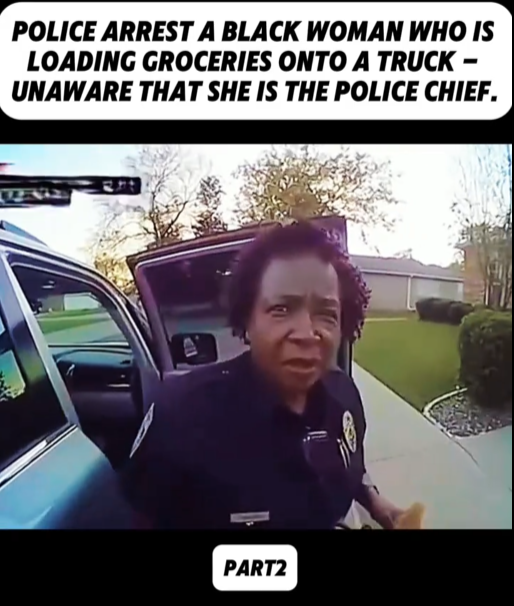
A routine move into a new apartment turned into a disturbing and eye-opening incident after a neighbor called 9-1-1 on a Black man simply for entering his own home. What makes this case especially striking is not just the call itself, but who the man turned out to be — the Boston Police Chief.

The surveillance-style image shows a quiet apartment hallway. A man stands at the door of his unit, keys in hand, while a woman confronts him, holding paperwork and appearing to question his presence. According to reports tied to the footage, the woman contacted emergency services because she believed the man “didn’t belong there,” despite him calmly explaining that he lived in the building and was in the process of moving in.

Moments like this have become painfully familiar across the United States. Ordinary actions — unlocking a door, carrying boxes, walking through a hallway — suddenly become “suspicious” when filtered through bias. In this case, the situation escalated not because of any actual threat, but because of an assumption rooted in appearance rather than facts.

What the caller did not know was that the man she reported was not only a lawful resident, but also one of the highest-ranking law enforcement officials in the city. When officers arrived and quickly verified his identity, the narrative collapsed instantly. The man had done nothing wrong. The call itself became the issue.

Civil rights advocates point out that this incident highlights a broader problem: the misuse of emergency services as a tool of suspicion and intimidation. Calling police on someone without evidence of wrongdoing can put lives at risk, especially in a country where encounters with law enforcement have, at times, ended tragically for Black Americans. Even when no physical harm occurs, the emotional toll and humiliation are real.

Legal experts note that making a false or unfounded emergency call can carry consequences, particularly if it is shown to be motivated by discrimination. While not every biased call leads to charges, many jurisdictions are increasingly scrutinizing these incidents as awareness grows around “weaponized” 9-1-1 calls.

The man at the center of this situation reportedly remained calm throughout the encounter. That composure, observers say, prevented the situation from escalating further. Still, many ask a troubling question: would the outcome have been the same if he were not the police chief?

That question is what makes this case resonate far beyond one apartment hallway. It exposes a double standard — where status, title, or authority can instantly change how someone is treated, even though their actions never changed at all. The same man, same behavior, different assumptions.

Online reactions to the story have been intense. Some praised the restraint shown by everyone involved once the facts were clear. Others expressed frustration that it took a high-ranking position for the truth to be immediately accepted. Many emphasized that no one should have to prove their importance to be treated with basic dignity.

This incident serves as a stark reminder that bias does not always announce itself loudly. Sometimes it shows up quietly, in a phone call made “just in case,” in a question asked when none is needed, in a belief that someone does not belong.

As conversations around race, policing, and community trust continue, moments like this force an uncomfortable reflection. The real issue was never about a door, a hallway, or a move-in. It was about perception — and how dangerous unchecked assumptions can be.

The story remains a powerful example of why awareness, accountability, and empathy matter — not just for those in power, but for everyone who picks up the phone and decides who looks “suspicious” enough to report.